What happened
On September 21, SoftBank launched more than $11 billion in dollar and euro bonds ahead of a $10 billion OpenAI installment, after selling its entire roughly $5.8 billion Nvidia stake in 2025.
Why it matters
SoftBank's borrowings for a private-company commitment are backed by public-market holdings, so a deep selloff in those disclosed stock positions could make the leverage uncomfortable even if the underlying operating businesses stay healthy.
What to watch
The arrangement hinges on those public holdings holding their value; if they slide, the financing becomes harder to sustain, and the risk is that future spending migrates away from merchant GPUs as SoftBank and OpenAI finance alternative chips and data centers.
WHO IT HITSThis lands on SoftBank bondholders and lenders extending credit against pledged stock, and on Nvidia investors weighing whether SoftBank's sale signals a shift in data-center spending toward alternative chips.
Summaries like this, in your inbox every morning.
SoftBank's move shows Masayoshi Son converting public-market holdings into fuel for his OpenAI bet. Since Arm's CPU architecture is spreading from smartphones into cloud servers and agentic workloads, SoftBank treats Arm as both a strategic asset and a source of collateral. Selling Nvidia, by contrast, looks more like a financing choice than a verdict on GPUs, because SoftBank needs cash for a private-company commitment that cannot be funded simply by marking Arm higher. The two decisions sit side by side in the article's framing: Son is willing to sell Nvidia, but he is still treating Arm as an asset to keep.
Institutional positioning appears to have been moving in Arm's favor. Insider Monkey's database showed 52 hedge funds with reportable ARM longs in Q2 2026, up from 46 in Q1, and Sands Capital disclosed Arm as a new holding, arguing that agentic AI should increase CPU demand for orchestration, memory management and tool execution. Short interest was 16.74 million shares as of August 31, about 1.57% of float with 4.4 days to cover.
The stakes here hinge on whether Arm, as collateral, stays valuable enough to support the financing while OpenAI absorbs cash. If Arm's market value were to fall sharply, the leverage could become uncomfortable for SoftBank even if Arm's own operating business remains healthy, and the broader risk is that future spending migrates away from merchant GPUs as SoftBank and OpenAI finance alternative chips, data centers and vertical AI infrastructure.
For example, today's edition would include:
AI-summarized, only the topics you pick — one digest a day via Email, LINE, or Slack.
Free · 30 seconds with Google · unsubscribe anytimeWhat is AIToday? →
Ask AI anything about this article. Q&As are published on this page for other readers too.
Rabbit Inc. unveiled OS3, a cloud personal AI agent installed via a single command on up to five machines, wor…
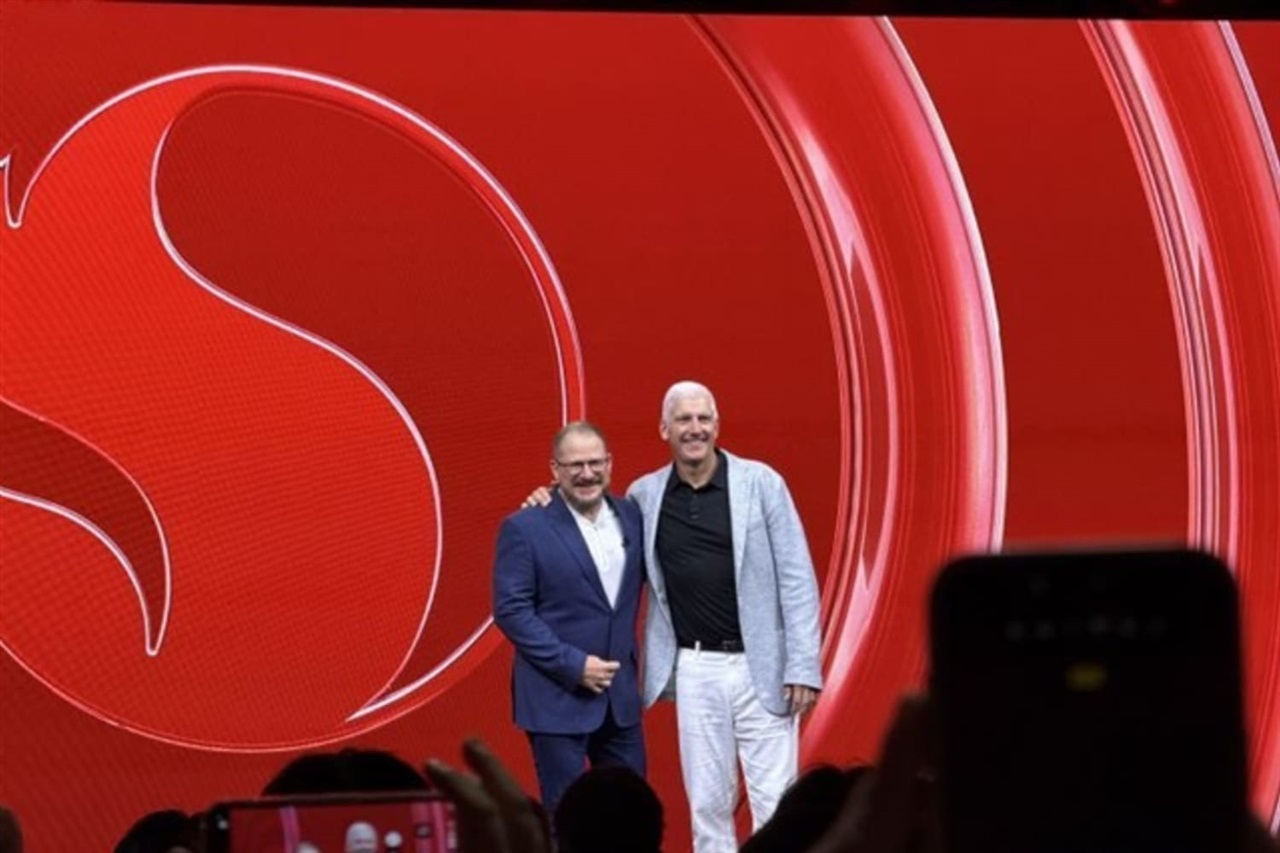
At Snapdragon Summit 2026, Qualcomm CEO Cristiano Amon hosted Google SVP Rick Osterloh to discuss the past yea…
Advanced Micro Devices crossed a $1 trillion market value for the first time on September 21 after shares jump…
Redis launched LangCache, a managed semantic cache that stores full question-response pairs outside the model…
Anthropic says Claude autonomously discovered a previously uncharacterized enzyme system found in bacteriophag…

California Gov. Gavin Newsom signed seven bills, including AB 1577 requiring monthly energy reporting and AB 2…