What happened
OpenAI launched the Grid Protectors Program and said its planned Effingham County campus in Georgia will pay full infrastructure and electric-service costs, with an agreement including up to 1,000 megawatts of flexible demand response.
Why it matters
That flexibility is meant to free up power for roughly 700,000 households during extreme heat, and Georgia Power says it can reduce the new generation it needs to build, which could help keep costs down for other customers.
What to watch
Georgia Power projects approximately $950 million in annual customer savings beginning in 2029 from its large-load agreements and expected growth, including Project Camellia.
WHO IT HITSUtility planners and state regulators weighing large data-center loads, plus residential and small-business ratepayers in host communities, are the audiences this lands on; OpenAI says the arrangements are meant to keep those customers from bearing campus costs.
Summaries like this, every morning.
OpenAI frames the Grid Protectors Program as a national effort, but its concrete commitments so far are concentrated in Georgia. The Effingham County campus is still in development, and OpenAI says it intends for that project to serve as a pilot for the program, building on an agreement that already provides a model for future campuses. The arrangements are expected to differ by location, with additional commitments to be shared as they are finalized.
The program rests on a distinction between paying for infrastructure and shaping how much power a campus draws. Power lines, substations and other grid infrastructure are a fixed cost whether demand is low or high, and OpenAI argues that steady year-round demand from compute campuses can help spread those fixed costs across more electricity sales. The flexibility piece is meant to complement that: OpenAI says it will design facilities to reduce electricity use when needed and work with utilities to agree on how much demand can be reduced, how quickly and for how long. Depending on local needs and available equipment, it will also work with grid operators to supply power from on-site generation or storage.
OpenAI is careful to say flexibility cannot replace investment in new energy supply and transmission, and it points to long-term contracts and financial assurances as protections for other customers if a project is delayed, reduced or canceled. The Georgia Power figures give a sense of the scale the utility is attaching to this approach: it projects approximately $950 million in annual customer savings beginning in 2029 from its large-load agreements and expected growth, including Project Camellia, and estimates a benefit of at least $15 a month for a typical residential customer using 1,000 kilowatt-hours.
Pick your industry and the AI tools you use, and get news related to your work every day.
Free · 30 seconds with Google · unsubscribe anytimeWhat is AIToday? →
Ask AI anything about this article. The AI reads this article, earlier AIToday articles, and Wikipedia, and cites its sources. Q&As are published on this page for other readers too.
Apple's June-quarter revenue rose 16.4% to $109.42 billion and gross margin reached 50.1%, while Microsoft pos…
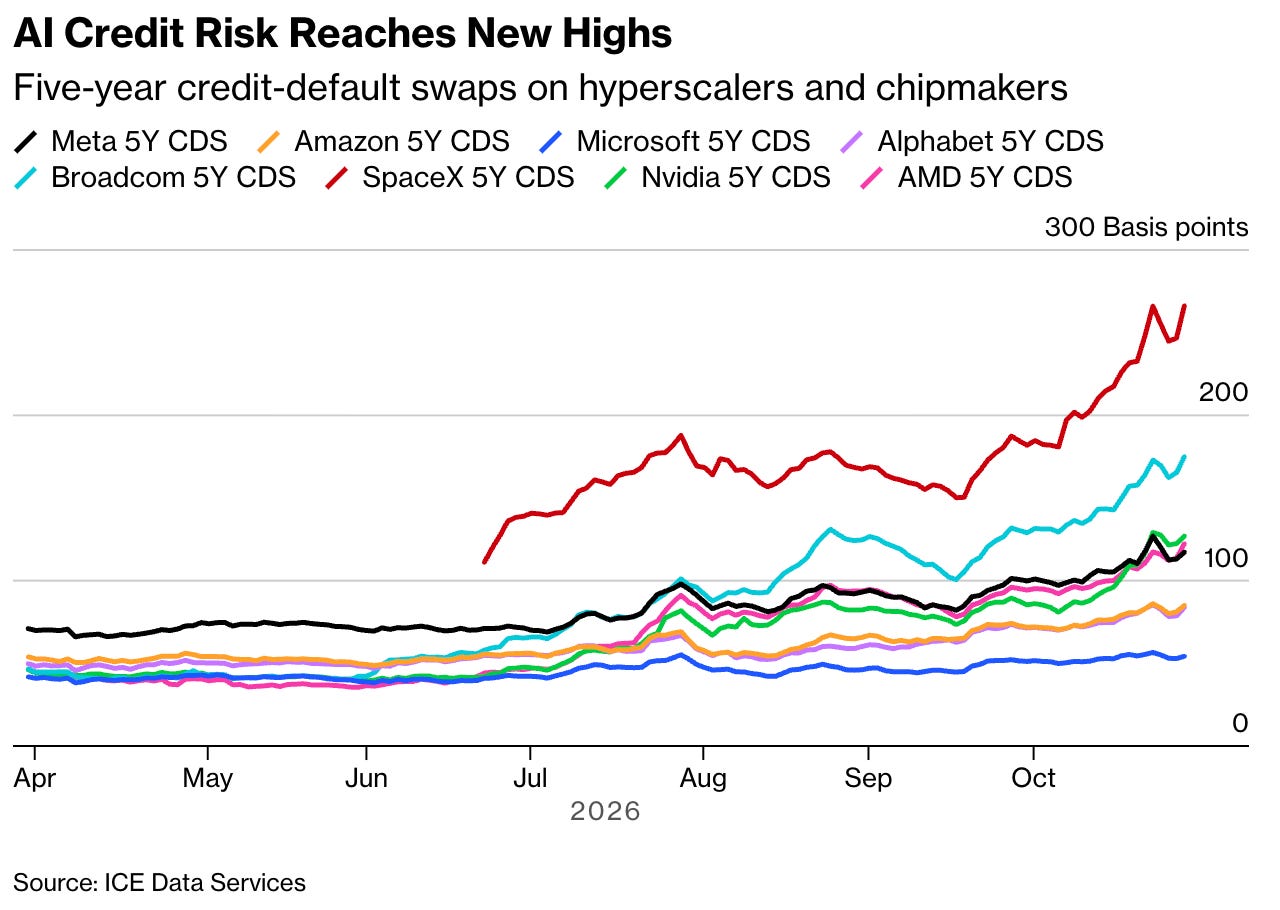
Elon Musk wrote on X that debt markets have nearly shut off money for companies without AI-independent revenue…
In a Fortune commentary, Gordon Ritter argued that ownership of the behavioral "traces" AI learns from is stil…
Microsoft chief economic opportunity officer Aneesh Raman said AI is replacing the predictable career ladder w…

BofA Global Research economists wrote Monday that "a sustained correction in the AI trade is a major risk to t…
HPE says a hybrid AI platform routing routine work from more than 150 internal applications to open-weight mod…