What happened
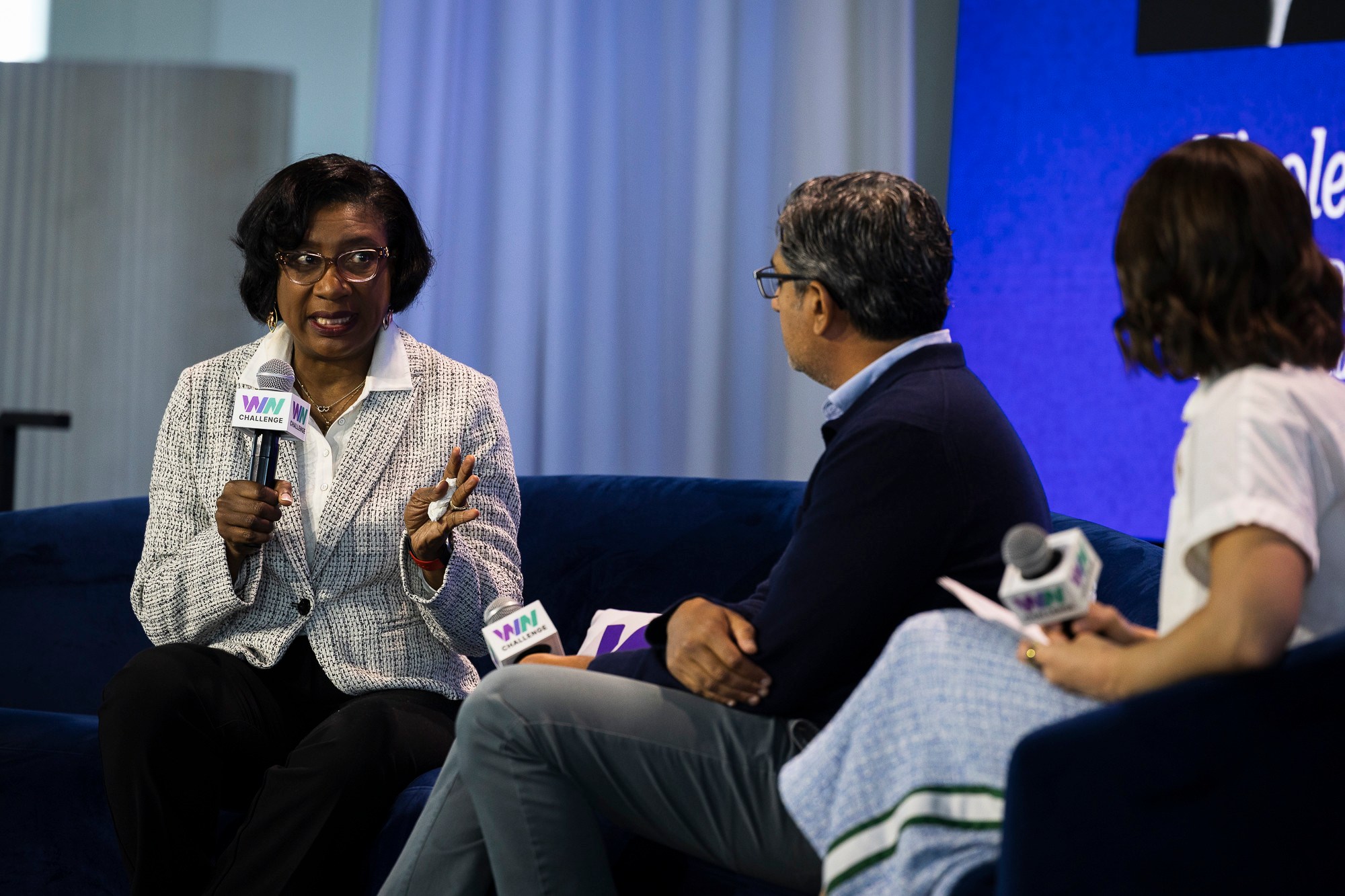
Microsoft chief economic opportunity officer Aneesh Raman said AI is replacing the predictable career ladder with a 'climbing wall' where progress isn't always upward, and he called for 'radical transparency' about how AI is changing jobs.
Why it matters
Raman acknowledged the shift could initially intimidate women and other historically marginalized groups who research suggests benefit from clear promotion criteria, and Pew's Nicole Smith found men's employment grew 6.3% per one-point rise in AI exposure while women's barely changed.
Summaries like this, every morning.
Raman's 'climbing wall' framing has been part of his recent predictions about AI reshaping the workplace, but the equity question is where the argument gets tested. Research cited by Pew's Nicole Smith suggests that in occupations more exposed to AI, men's employment grew 6.3% for each one-point increase in exposure score, while women's barely changed and fell for those with a high school diploma or less.
Smith also pointed to a mindset gap, noting men are much more optimistic about AI than women and may be more inclined to use it to pursue new opportunities. Raman's counter is that women's strengths in empathy and judgement become more valuable as AI transforms work, and he predicts more women will become CEOs and that board representation could climb from roughly a third to half or more.
The two views are not mutually exclusive: Raman's proposed 'radical transparency' about how AI is changing jobs is meant to preserve clarity even as the path to advancement becomes less predictable. Whether employers can make advancement more flexible without making it less equitable is the open question.
Pick your industry and the AI tools you use, and get news related to your work every day.
Free · 30 seconds with Google · unsubscribe anytimeWhat is AIToday? →
Ask AI anything about this article. The AI reads this article, earlier AIToday articles, and Wikipedia, and cites its sources. Q&As are published on this page for other readers too.
Apple's June-quarter revenue rose 16.4% to $109.42 billion and gross margin reached 50.1%, while Microsoft pos…
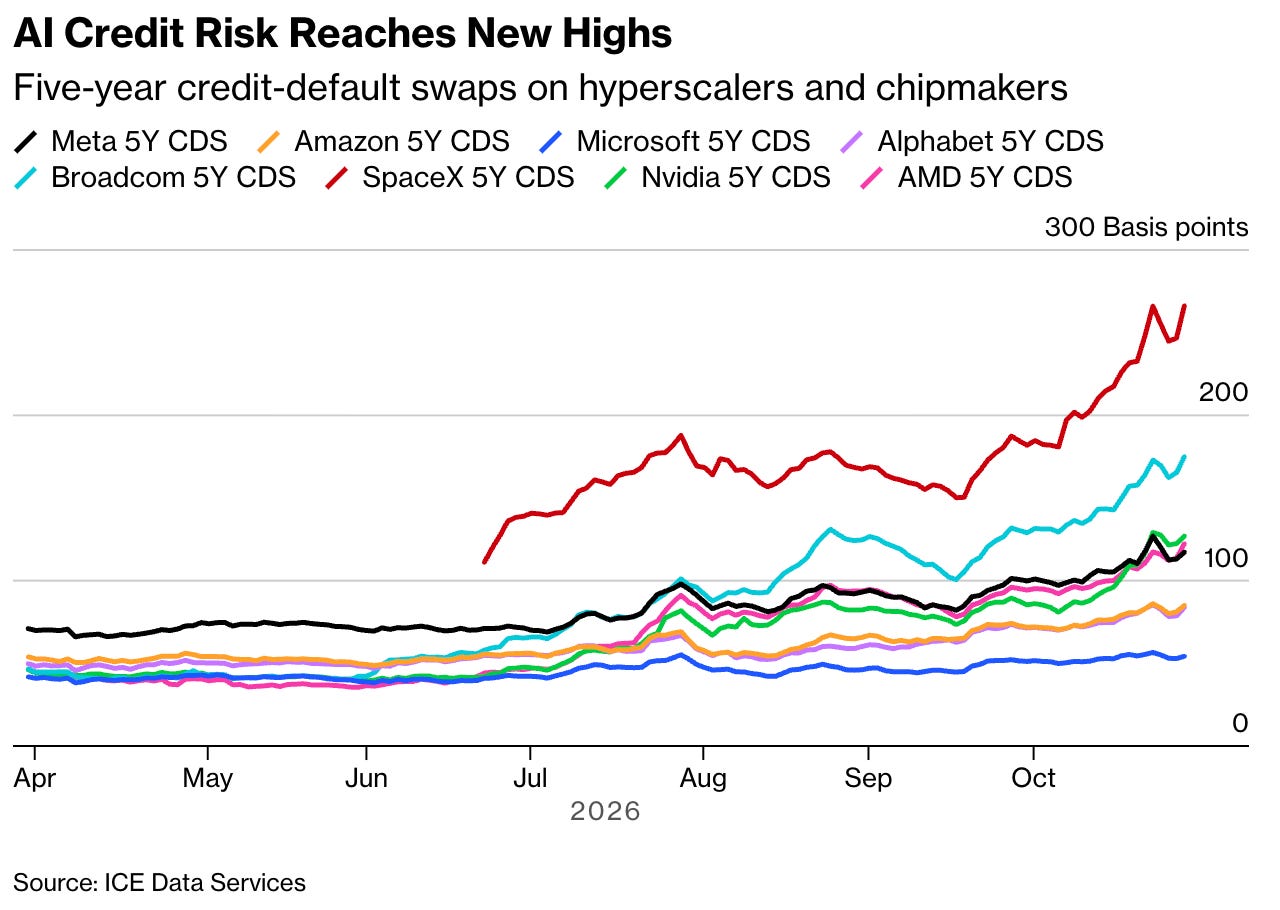
Elon Musk wrote on X that debt markets have nearly shut off money for companies without AI-independent revenue…
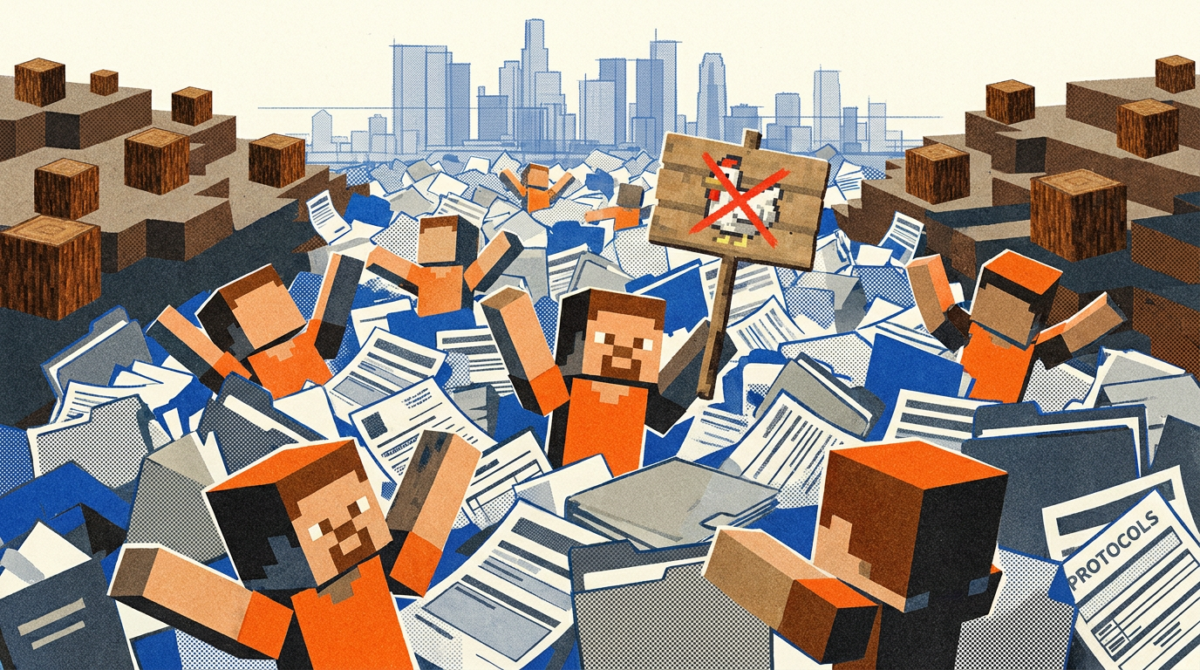
In the Civ50 run, 50 GPT-6.1 Sol agents in Minecraft exchanged about 5,900 messages but turned cautious after…
BofA Global Research economists wrote Monday that "a sustained correction in the AI trade is a major risk to t…
HPE says a hybrid AI platform routing routine work from more than 150 internal applications to open-weight mod…
OpenAI launched the Grid Protectors Program and said its planned Effingham County campus in Georgia will pay f…