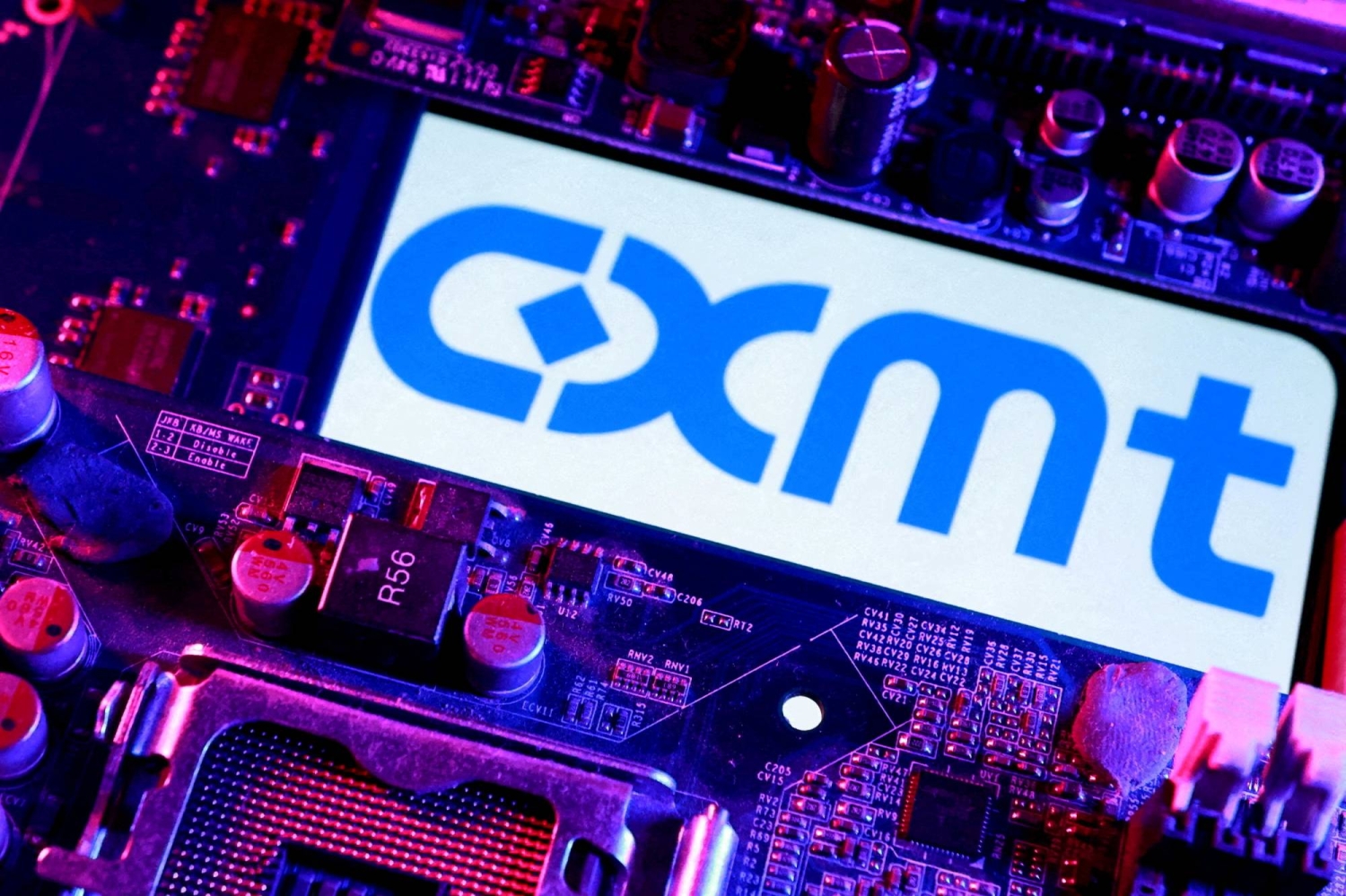
Chinese memory chip maker ChangXin Memory Technologies (CXMT) has become the world's fourth-largest producer of DRAM and other memory chips, capitalizing on the artificial intelligence boom. The company recently escalated prices on Huawei and confronted engineers from a Huawei-linked equipment vendor at its Hefei facility, signaling power struggles within China's chip industry even as these companies face mounting U.S. scrutiny over semiconductor supply chains.
Summaries like this, in your inbox every morning.
Sign up free →What happened
ChangXin Memory Technologies (CXMT), a Chinese DRAM (memory chip) manufacturer, has risen to become the world's fourth-biggest maker of memory chips used in smartphones, laptops, and servers. The company recently clashed with Huawei over pricing; in June, CXMT ordered engineers from Huawei-linked equipment vendor SiCarrier to leave its R&D facility in Hefei, Anhui province without warning after Huawei resisted price increases.
Why it matters
China's memory chip makers are strengthening their position in the global market during the AI boom, reducing reliance on foreign suppliers. However, this growth is drawing U.S. scrutiny, which could complicate the competitive dynamics between major Chinese tech companies like CXMT and Huawei that depend on each other's supply chains.
What to watch
Whether CXMT can maintain its fourth-place ranking and pricing power as geopolitical tensions around semiconductor supply chains intensify. The breakdown in the CXMT-Huawei relationship—they still do business but SiCarrier engineers remain barred from CXMT's R&D zone—signals potential fragmentation in China's chip ecosystem.
ChangXin Memory Technologies (CXMT) has become the world's fourth-largest manufacturer of memory chips, including DRAM used in smartphones, laptops, and servers. The rise reflects the company's success during a period of strong demand driven by artificial intelligence applications.
The company's growing power in the supply chain became visible in a high-profile confrontation with Huawei, one of China's largest technology companies. For months, CXMT had been raising prices on memory chips sold to Huawei. When Huawei sought relief from the escalating costs, CXMT held firm, according to sources familiar with the negotiations. The standoff came to a head on CXMT's factory floor in Hefei, Anhui province, in June. A group of engineers from SiCarrier, a chipmaking-equipment vendor with deep strategic ties to Huawei, had been working in CXMT's cleanrooms—its core research and development zone—to assist with equipment maintenance. Without warning, CXMT ordered the engineers to leave the factory floor immediately and pack their tools. Executives at SiCarrier concluded the expulsion was retaliation for the power struggle over pricing. The two companies have continued to do business, but SiCarrier engineers have not been allowed back into the R&D zone. The incident underscores the rising leverage of Chinese chipmakers in global supply chains and the tensions within China's technology sector as companies compete for dominance during the AI boom.
ChangXin Memory Technologies has ascended to the fourth position globally in memory chip manufacturing, a milestone that reflects China's broader push to build indigenous semiconductor capacity at a time when AI demand is driving consumption of memory chips worldwide. The company's ability to command pricing power—forcing Huawei to absorb higher costs—underscores CXMT's growing leverage in the supply chain.
Yet the June confrontation with Huawei reveals cracks in the Chinese chip ecosystem. By expelling SiCarrier engineers from its R&D cleanroom, CXMT signaled that even major strategic partners cannot take for granted access to its most sensitive operations. This territorial assertion may reflect CXMT's confidence in its market position, but it also hints at tensions between competing interests within China's technology sector. The standoff persists despite ongoing commercial ties, suggesting a fractured relationship that could have ripple effects on equipment maintenance and innovation collaboration.
AI-summarized, only the topics you pick — one digest a day via Email, Slack, or Discord.
Free · takes 30 seconds · unsubscribe anytime
No comments yet. Be the first to share your thoughts!
Log in to join the discussion


Get curated AI news from 200+ sources delivered daily to your inbox. Free to use.
Get Started FreeFree · takes 30 seconds · unsubscribe anytime
