What happened
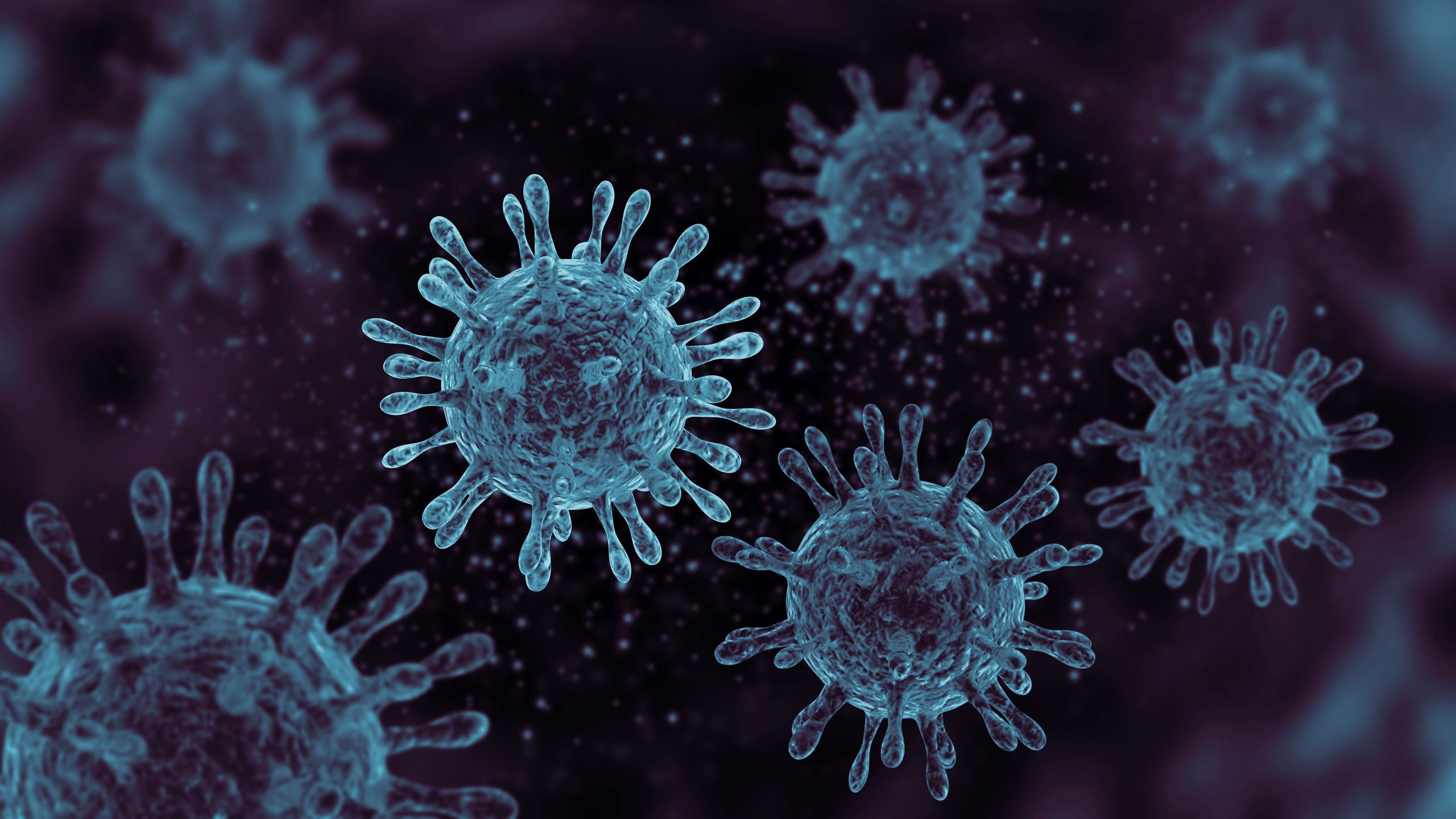
Researchers at Stanford University and the Arc Institute trained an AI model called Evo on over 9 trillion nucleotides from 128,000 genetic sequences. The model then designed 700,000 potential viral genomes; scientists synthesized 285 of them, and 16 successfully assembled into functioning viruses capable of infecting E. coli bacteria and reproducing, according to a study published in the journal Science.
Why it matters
The study demonstrates that AI can discover statistical patterns in biological DNA and generate entirely new genetic sequences that produce viable organisms—something humans could not do before because trillions of possible genomes exist and their arrangement rules were unknown. The researchers showed one practical application by using the AI-designed viruses to overcome bacterial resistance to the natural Phi X-174 virus.
What to watch
While the new viruses are harmless to humans and researchers deliberately avoided training on human pathogens, experts worry that the study outpaces regulatory guardrails and shows how dangerous applications could become possible. The researchers emphasized that replicating these results in human pathogens would be "a different ballgame."
Summaries like this, in your inbox every morning.
The breakthrough lies in what the AI learned from scale. By training on over 9 trillion nucleotides spanning 128,000 genetic sequences from millions of organisms, Evo discovered the underlying statistical patterns governing how DNA building blocks combine to form viable biological sequences. Before this, humans knew the individual nucleotides but lacked the formula for arranging them into functional genes—a gap that existed simply because the combinatorial space was too vast for human exploration. The study chose the Phi X-174 virus as a proof of concept because it is simple (only a few thousand nucleotides, compared to the three billion in humans) and extensively characterized, making it an ideal test subject.
The practical demonstration adds credibility to the findings. When researchers exposed E. coli strains that had evolved resistance to natural Phi X-174 to "cocktails" of the AI-designed phage variants, the AI-designed viruses evolved during the experiment and ultimately overcame bacterial resistance in all three strains. This shows the new organisms are not merely novelties but functionally competent—they can replicate, adapt, and exert biological effects just as natural viruses do.
The regulatory concern is substantial. The researchers themselves note that experts worry such studies are "way ahead of necessary guardrails and regulations." The risk is not the current work (focused on E. coli-only pathogens) but the pathway it opens: if the same method can generate novel viruses that infect bacteria, the same approach could—in principle—be applied to human pathogens, with consequences that the researchers explicitly flag as beyond the scope of their current safeguards.
For example, today's edition would include:
AI-summarized, only the topics you pick: one digest a day via Email, LINE, or Slack.
Free · 30 seconds with Google · unsubscribe anytimeWhat is AIToday? →
Ask AI anything about this article. The AI reads this article, earlier AIToday articles, and Wikipedia, and cites its sources. Q&As are published on this page for other readers too.
Nvidia's DGX Spark, launched at CES 2025 as Project DIGITS, began shipping in October, with VP Adel El Hallak…

Google said its Gemini 3.8 Live voice model now has a Live Avatar feature, and that Live Avatar-equipped Gemin…

U.K. AI minister Kanishka Narayan said nations must "harden and build your defenses" against AI risk, after ex…

On the 2,000-question typed-decisions benchmark, Supersonic Labs' free Julia 1 scored 73.15% vs

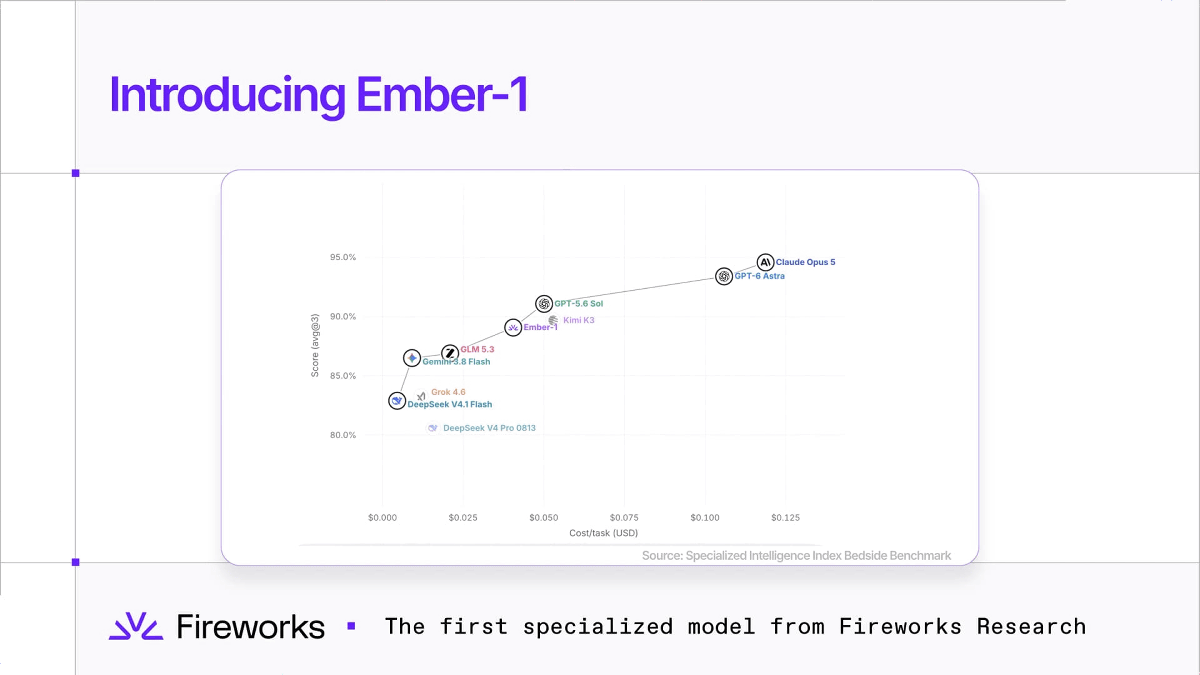
Fireworks AI announced Ember-1, a Kimi K3-based model built for its project to create specialized models devel…
Earn an Honest Dollar tested 16 AI models on 42 page pairs with decoy data