What happened
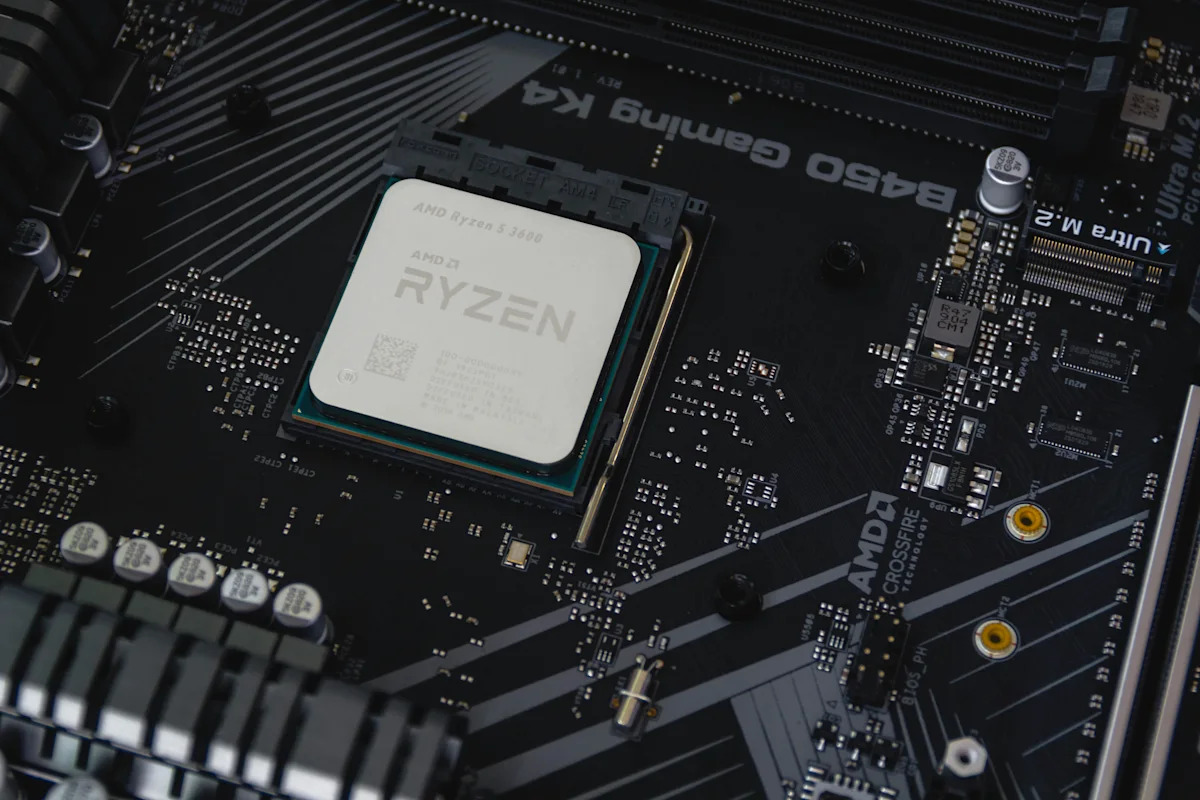
AMD and Intel are negotiating longer-term purchase commitments with Chinese server customers, according to a Reuters report from July 23. These discussions cover one year of supply, with some agreements extending two years or longer, and allow prices to remain flexible while locking in purchase volumes.
Why it matters
Server CPU prices in China have risen more than 40% since the start of the year amid tightening supply, with month-over-month increases exceeding 10% for certain products. Chinese tech companies expanding into AI services are concerned that CPU shortages could raise infrastructure costs and slow deployment, driving them to secure longer-term agreements. The talks reflect how AI-driven demand and US-China tech rivalry are reshaping chip supply deals.
What to watch
AMD now expects the global server CPU market to exceed $220 billion by 2030, driven partly by agentic AI workloads—almost double its previous growth estimate of 18% annually. This signals AMD management's view that AI-driven chip demand is spreading beyond GPUs into the broader semiconductor ecosystem.
Summaries like this, in your inbox every morning.
AMD and Intel's negotiations with Chinese server customers reveal a fundamental shift in semiconductor supply dynamics. For years, server CPUs were easier to obtain than GPUs and memory chips, but AI infrastructure buildout is rapidly consuming CPU capacity. Chinese companies expanding AI services now face CPU shortages that could raise infrastructure costs and slow deployment—a concern that has driven prices for some products up more than 40% since the start of the year. These supply pressures are pushing buyers to negotiate longer-term agreements, a strategy that reflects both tightening capacity and geopolitical constraints; Chinese firms face restrictions on access to the most advanced AI chips, making CPU supply security a strategic priority.
AMD's revised market forecast underscores the scale of this shift. By expecting the global server CPU market to exceed $220 billion by 2030—nearly double its prior estimate of 18% annual growth—AMD management is signaling that AI-driven demand is now spreading across the broader semiconductor ecosystem beyond GPUs. Agentic AI workloads are cited as a key driver. These negotiations, though not publicly confirmed, support that view and position AMD and Intel as beneficiaries of the next phase of AI infrastructure spending, even as US-China tech rivalry continues to reshape global chip supply chains.
For example, today's edition would include:
AI-summarized, only the topics you pick: one digest a day via Email, LINE, or Slack.
Free · 30 seconds with Google · unsubscribe anytimeWhat is AIToday? →
Ask AI anything about this article. The AI reads this article, earlier AIToday articles, and Wikipedia, and cites its sources. Q&As are published on this page for other readers too.
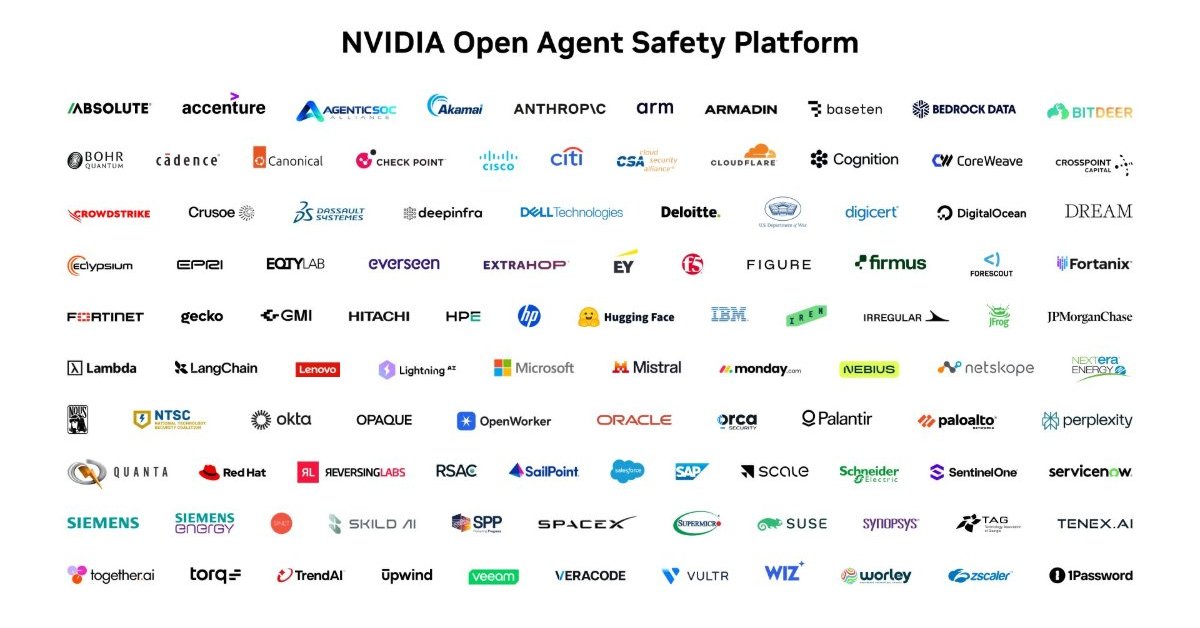
On September 28, Nvidia announced the NVIDIA Open Agent Safety Platform, built from the open-source OpenShell…
Anthropic released Claude Sonnet 5.5 on September 28, the second model in its Claude 5.5 family, calling it fa…

Nvidia launched a platform Monday that it says can monitor AI agents and quarantine suspicious ones, following…

Nvidia announced a record $150 billion stock buyback, and CEO Jensen Huang said its cash generation gives it t…
AMD is acquiring World Labs, the two-year-old physical AI startup cofounded by Fei-Fei Li, in an $8.2 billion…

Florida filed a motion seeking a court injunction to halt OpenAI's development, warning that an AI agent could…