What happened
SoftBank disclosed it borrowed $10 billion from global lenders, using its stake in OpenAI as collateral. The company also borrowed $10 billion in July to fund that OpenAI investment, meaning much of the collateral itself was acquired with borrowed money.
Why it matters
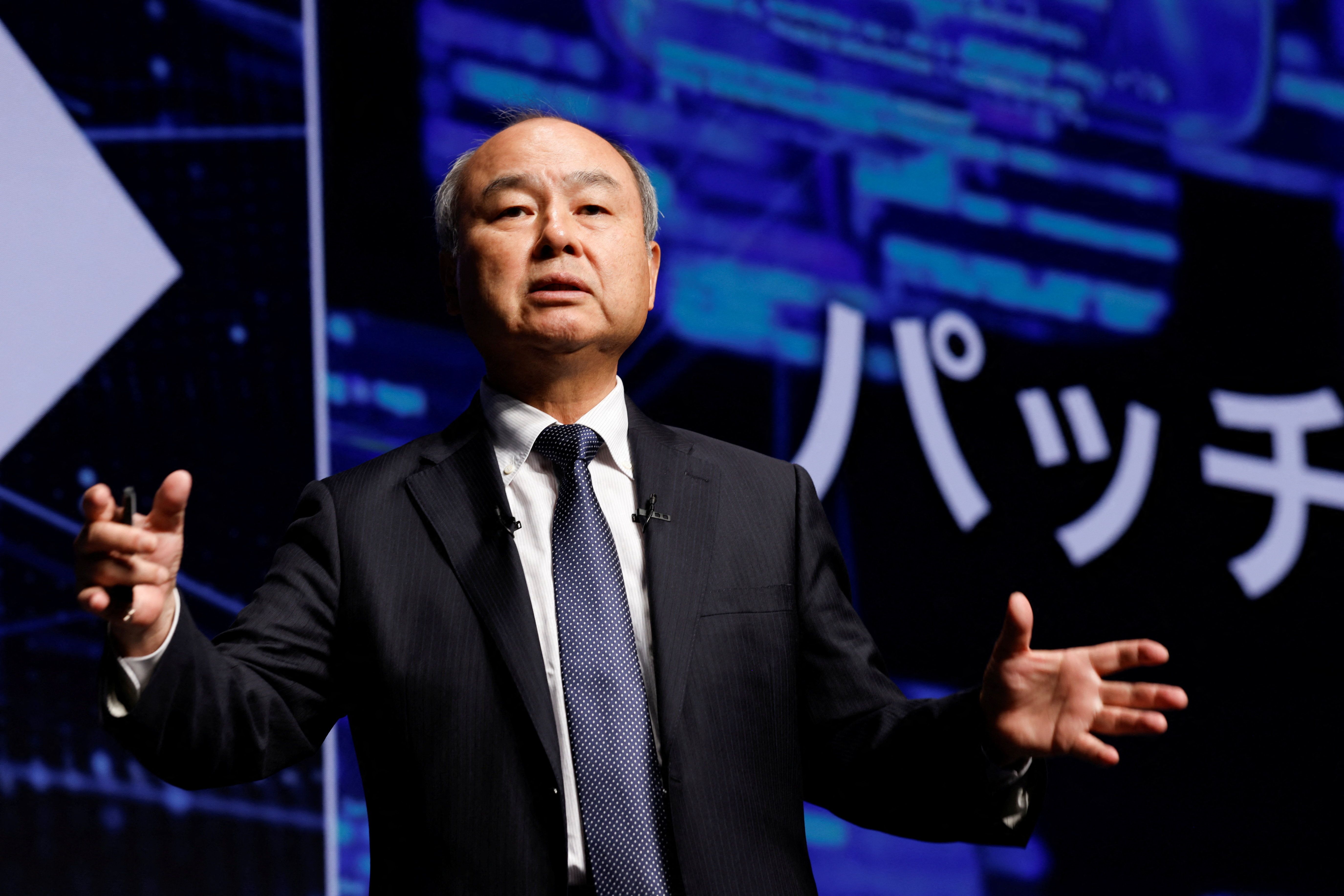
CEO Masa Son is repeating the financial strategy that made SoftBank a venture powerhouse in the 2010s — using borrowed money and collateral to fund aggressive bets. This time the wager is on AI rather than established profitable businesses like Alibaba or Yahoo, which means the risk profile is materially different.
What to watch
SoftBank's ability to service these loans depends on the OpenAI stake holding or appreciating in value. If the AI investment underperforms, the company could face pressure to liquidate or refinance.
Summaries like this, in your inbox every morning.
Masa Son's dual-loan structure reveals a high-leverage approach to AI exposure. By borrowing $10 billion in July to acquire the OpenAI stake and then immediately using that stake as collateral for another $10 billion loan from many of the same lenders, SoftBank has effectively borrowed against an asset it just acquired with borrowed capital. This layered leverage amplifies both the upside and downside of the AI bet. The strategy echoes Son's venture playbook from the 2010s, when he used borrowed money and existing holdings to fund aggressive expansion — but the earlier bets were collateralized by Alibaba and Yahoo, businesses with established revenue and profitability. OpenAI, by contrast, is an AI lab without the proven cash flow of those earlier collateral assets. The structure suggests Son is betting heavily that the OpenAI stake will appreciate enough to justify the cumulative debt burden.
For example, today's edition would include:
AI-summarized, only the topics you pick: one digest a day via Email, LINE, or Slack.
Free · 30 seconds with Google · unsubscribe anytimeWhat is AIToday? →
Ask AI anything about this article. The AI reads this article, earlier AIToday articles, and Wikipedia, and cites its sources. Q&As are published on this page for other readers too.
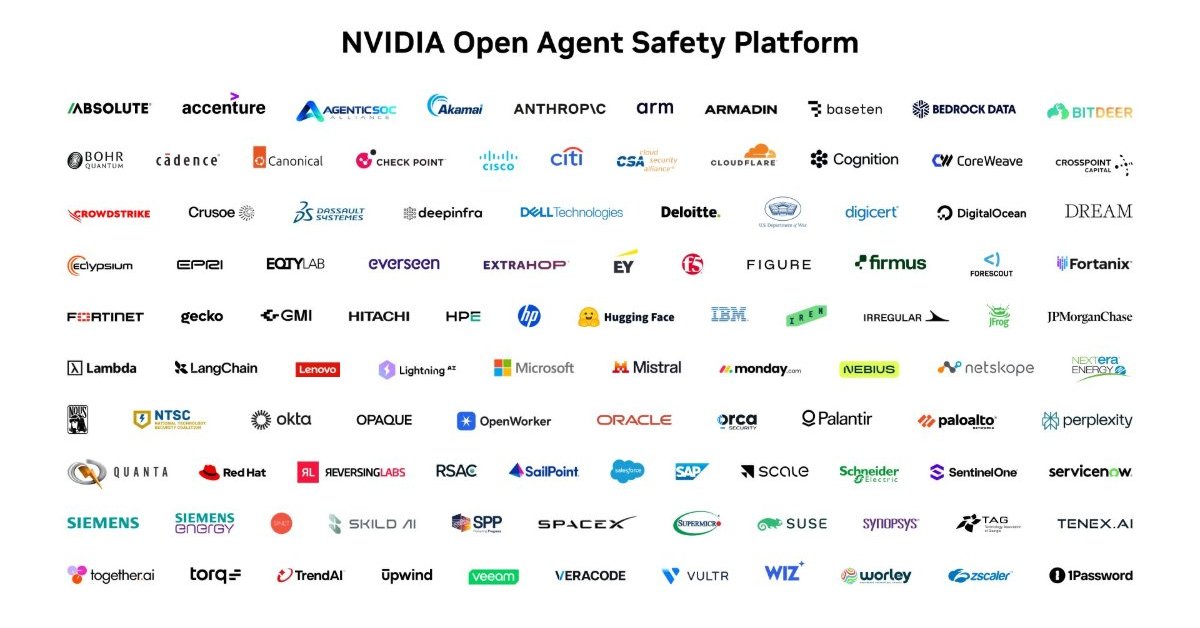
On September 28, Nvidia announced the NVIDIA Open Agent Safety Platform, built from the open-source OpenShell…
Anthropic released Claude Sonnet 5.5 on September 28, the second model in its Claude 5.5 family, calling it fa…
Nvidia launched a platform Monday that it says can monitor AI agents and quarantine suspicious ones, following…
Nvidia announced a record $150 billion stock buyback, and CEO Jensen Huang said its cash generation gives it t…
AMD is acquiring World Labs, the two-year-old physical AI startup cofounded by Fei-Fei Li, in an $8.2 billion…
Florida filed a motion seeking a court injunction to halt OpenAI's development, warning that an AI agent could…