
Meta reported second-quarter 2026 revenue growth of 28% to $60.8 billion(約9.7兆円), with advertising revenue up 27% to $59.4 billion(約9.5兆円), driven by AI-powered improvements in ad relevance and conversions. The company's Meta Business Agent, available globally on WhatsApp and Messenger, now serves more than 1 million businesses weekly, and Meta announced a joint venture with BlackRock to build a 1-gigawatt data center in El Paso, Texas. Capital expenditure totaled $31.1 billion(約5兆円) this quarter, with the company narrowing its full-year capex guidance to $130 billion(約21兆円) to $145 billion(約23兆円).
Summaries like this, in your inbox every morning.
Sign up free →What happened
Meta reported second-quarter 2026 revenue of $60.8 billion(約9.7兆円), up 28% year-over-year, driven by 27% advertising revenue growth to $59.4 billion(約9.5兆円) and 73% growth in other Family of Apps revenue to $1 billion(約1600億円) for the first time. Advertising gains came from a 14% increase in ad impressions and a 12% rise in average price per ad. Meta Business Agent, which became available globally on WhatsApp and Messenger during the quarter, now serves more than 1 million businesses each week. The company also announced a strategic venture with BlackRock to develop a 1-gigawatt data center in El Paso, Texas.
Why it matters
Meta's results show AI is translating directly into stronger advertising performance and new business revenue streams. The 1% increase in app-event conversions from LLM-powered ad-preference modeling and the 8.3% rise in ad clicks point to AI making ads more relevant and clickable — a concrete payoff for the company's massive infrastructure spending. For advertisers and small businesses using Meta's tools, this means the platform's 9 million small businesses adopting AI creative tools are seeing measurable improvements. The BlackRock data-center partnership signals Wall Street confidence in Meta's infrastructure plans despite the company's $31.1 billion(約5兆円) capital-expenditure spend this quarter.
What to watch
Meta guided for third-quarter revenue of $61 billion(約9.8兆円) to $64 billion(約10兆円) and narrowed its full-year 2026 capital-expenditure outlook to $130 billion(約21兆円) to $145 billion(約23兆円) (tightened from $125 billion(約20兆円) to $145 billion(約23兆円)). The company expects third-quarter foreign exchange headwinds of approximately 1% year-over-year. Meta's capacity planning is focused on maximizing available capacity in 2026 and 2027 while retaining flexibility for server investment decisions in 2028 and beyond — a signal that AI spending intensity may moderate after next year.
Meta Platforms reported second-quarter 2026 earnings on strong revenue growth anchored in advertising gains and early signs that AI is improving both ad performance and creating new business revenue streams. Total revenue rose to $60.8 billion(約9.7兆円), representing 28% year-over-year growth, or 27% on a constant-currency basis, according to Chief Financial Officer Susan Li. Advertising revenue — the company's core business — increased 27% to $59.4 billion(約9.5兆円). The drivers were straightforward: ad impressions across Meta's services increased 14%, supported by engagement and user growth as well as ad-load optimization, while average price per ad rose 12%, which Li attributed to gains in ad performance, improved macroeconomic conditions compared with the prior-year quarter, and currency tailwinds.
Beyond the headline revenue figure, Meta disclosed concrete evidence that large language models are improving advertising. Li noted that the company processed every public Reels and Feed post on Instagram through an LLM earlier this year. Its largest Reels ranking release to date generated a 15-basis-point increase in Instagram sessions, with strength in reshares and time spent; the company is extending the approach to Feed, where early results appear comparable. In advertising specifically, early pilots using LLMs to better understand user preferences produced a 1% increase in app-event conversions on Instagram. Other ad-ranking advances contributed to an 8.3% increase in ad clicks and a 15.7% increase in conversions on Facebook. Meta's AI-powered Advantage+ end-to-end advertising offerings reached an annual revenue run rate of more than $75 billion(約12兆円) during the quarter. The company also introduced Meta Generative Recommender, which uses LLMs to assess ad content and user preferences together rather than scoring possible ads individually.
User engagement remained strong across Meta's portfolio. CEO Mark Zuckerberg said 3.6 billion people used at least one Meta app daily during the quarter. Instagram reached 2 billion daily active users, while Threads surpassed 500 million monthly active users. WhatsApp, the messaging service, reached a record of 30 million messages per second during the World Cup final. Beyond consumer metrics, Zuckerberg announced that Meta Business Agent became available globally on WhatsApp and Messenger during the quarter and now serves more than 1 million businesses each week for customer conversations or sales; the company has begun rolling business agents out on Instagram. Meta also released Muse Spark 1.1 and Muse Image through its Meta Superintelligence Labs. Since rebuilding Meta AI and integrating Muse Spark, the number of people interacting daily with the assistant has increased 60%. Muse Spark 1.1 is available through a public API, with broader distribution channels and enterprise features planned.
Family of Apps other revenue — a new revenue line — reached $1 billion(約1600億円) for the first time, rising 73% from a year earlier, primarily because of WhatsApp paid messaging and subscriptions. Reality Labs revenue increased 16% to $431 million(約690億円), as growth in AI glasses revenue more than offset lower Quest headset sales. Zuckerberg highlighted that 9 million small businesses now use at least one AI creative tool, underscoring the breadth of AI tool adoption across the platform.
On the cost side, second-quarter expenses increased 55% year-over-year to $42 billion(約6.7兆円), a figure that included $2.4 billion(約3800億円) in legal-proceeding charges and $1.2 billion(約1900億円) in severance costs related to Meta's May 2026 headcount reduction. Operating income declined 8% to $18.8 billion(約3兆円), producing a 31% operating margin; excluding the legal and severance charges, operating income would have increased 9%. Net income was $15.8 billion(約2.5兆円), or $6.18 per share. Capital expenditures, including principal payments on finance leases, totaled $31.1 billion(約5兆円), driven by spending on servers, data centers, and network infrastructure. Free cash flow was $784 million(約1300億円). Meta ended the quarter with $90.3 billion(約14兆円) in cash and marketable securities and $83.7 billion(約13兆円) in debt. The company had more than 75,000 employees at quarter-end, down 3% from the first quarter.
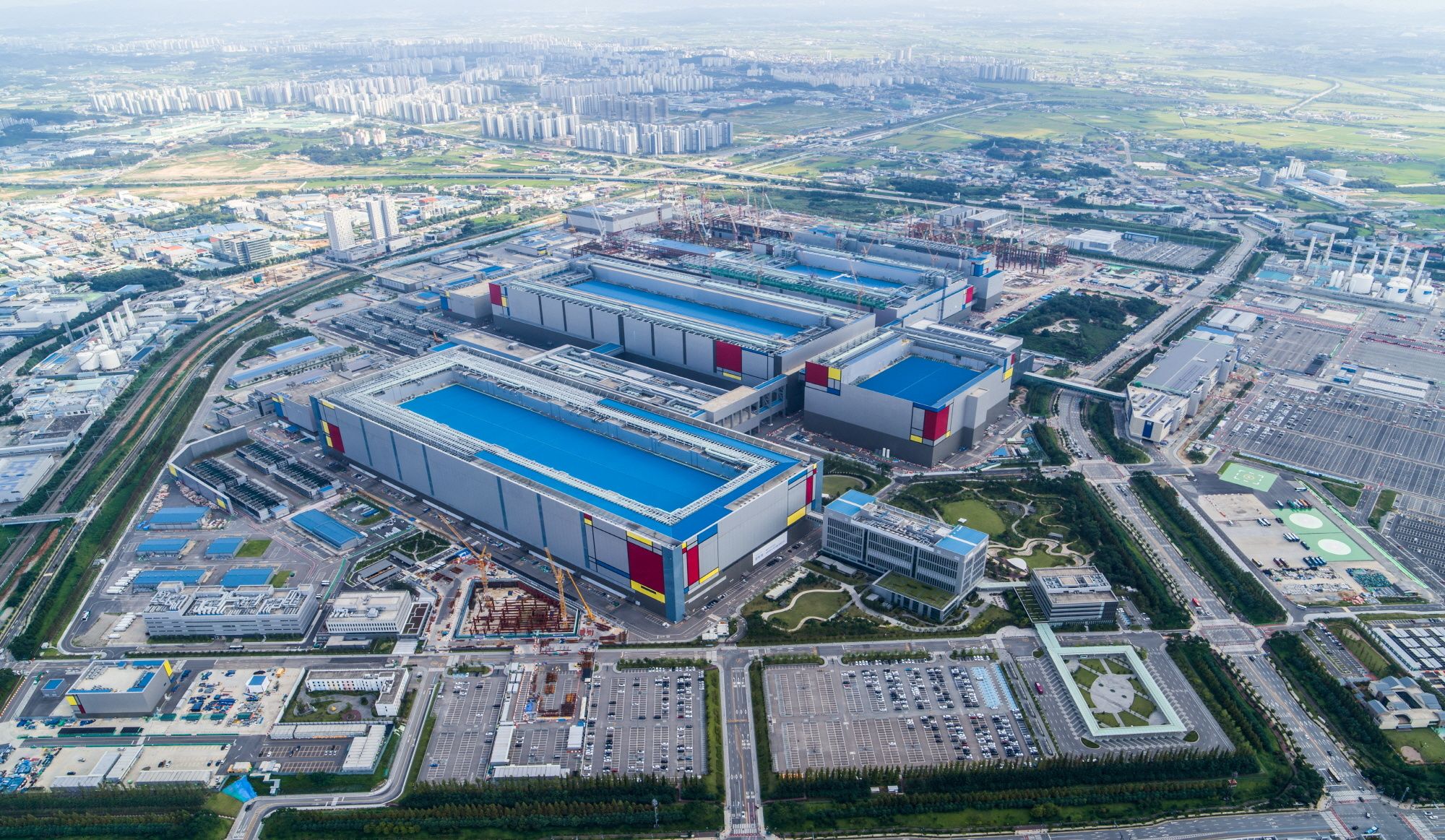
Meta announced a strategic venture with BlackRock to develop a 1-gigawatt data center in El Paso, Texas. Li said the company's capacity planning is focused on maximizing available capacity in 2026 and 2027, while retaining flexibility for server investment decisions in 2028 and beyond. Looking forward, Meta forecast third-quarter total revenue of $61 billion(約9.8兆円) to $64 billion(約10兆円), with foreign exchange expected to be an approximately 1% headwind to year-over-year revenue growth based on current exchange rates. For 2026, Meta raised the lower end of its total expense outlook and now expects expenses of $165 billion(約26兆円) to $169 billion(約27兆円), including the legal charge recognized in the second quarter, while maintaining its expectation that full-year operating income will exceed 2025 operating income. The company narrowed its 2026 capital-expenditure outlook to $130 billion(約21兆円) to $145 billion(約23兆円), from a previous range of $125 billion(約20兆円) to $145 billion(約23兆円). Meta expects its tax rate for the remaining quarters of 2026 to be between 15% and 17%.
Meta's second-quarter earnings demonstrate that its heavy AI spending is beginning to yield measurable business returns, particularly in advertising — the company's largest revenue driver. CEO Mark Zuckerberg highlighted that AI initiatives improved content recommendations, advertising performance, and product development, and the numbers back this claim: the 14% rise in ad impressions coupled with a 12% increase in average price per ad produced the 27% revenue growth in advertising that outpaced overall revenue growth. More granularly, LLM-based ad-ranking improvements generated an 8.3% increase in ad clicks and a 15.7% increase in conversions on Facebook, while early pilots using LLMs to better understand user preferences produced a 1% increase in app-event conversions on Instagram. These gains suggest Meta's large language model investments are not merely research exercises but are actively reshaping how ads match users.
Beyond advertising, Meta is building what Zuckerberg calls "personal AI agents, business agents, APIs, productivity tools and potential direct compute sales" as major future opportunities. The Meta Business Agent — available globally on WhatsApp and Messenger and recently rolling out to Instagram — now serves more than 1 million businesses weekly for customer conversations or sales, representing an early-stage business-facing AI product. This diversification matters because Zuckerberg indicated the company has received offers to buy compute capacity at a premium to what Meta paid, but believes selling intelligence built on top of compute could carry higher margins, hinting that direct infrastructure sales are not Meta's primary play.
Infrastructure spending remains enormous: capital expenditures totaled $31.1 billion(約5兆円) in the quarter, and Meta narrowed its full-year 2026 capex guidance to $130 billion(約21兆円) to $145 billion(約23兆円). To manage this, Meta announced a strategic venture with BlackRock to develop a 1-gigawatt data center in El Paso, Texas — a move that suggests the company is bringing in external capital partners to help finance its buildout. Zuckerberg emphasized that capacity planning is focused on maximizing available capacity in 2026 and 2027 while retaining flexibility for server investment decisions in 2028 and beyond, an implicit acknowledgment that the intensity of capex spending may not continue indefinitely at this level.
AI-summarized, only the topics you pick — one digest a day via Email, Slack, or Discord.
Free · takes 30 seconds · unsubscribe anytime
No comments yet. Be the first to share your thoughts!
Log in to join the discussion

Get curated AI news from 200+ sources delivered daily to your inbox. Free to use.
Get Started FreeFree · takes 30 seconds · unsubscribe anytime
