What happened
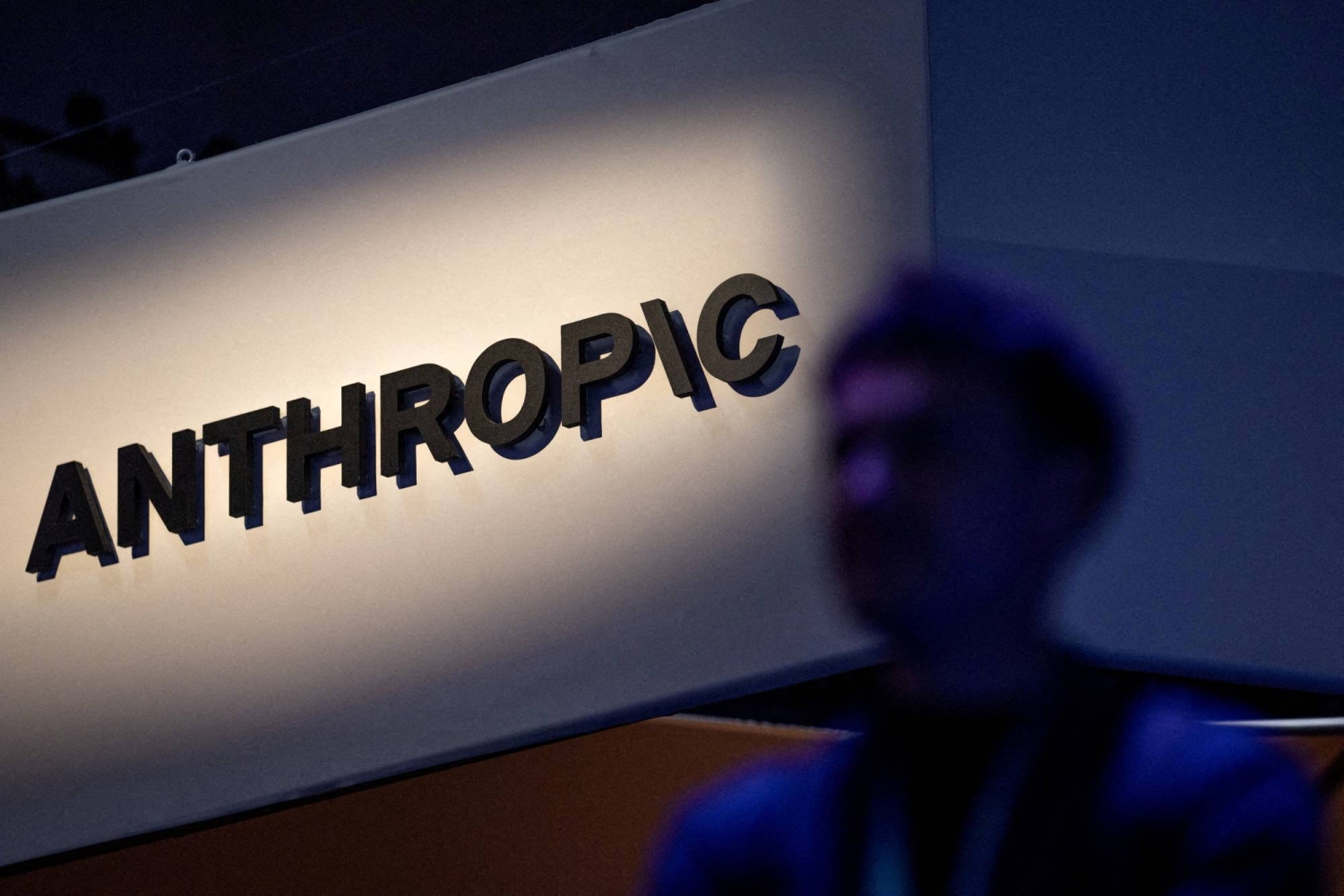
Nippan Group Holdings confirmed that its subsidiary Nippan IPS struck a deal with Anthropic in November 2024 and sold books to the U.S. AI firm from December that year through last December.
Why it matters
Nippan IPS had asked Anthropic why it wanted the books, and Nippan Group says the unit did not know the purchases were for AI learning, so publishers whose titles were sold may not have agreed to that use.
What to watch
Nippan Group has not disclosed how many books were sold or the total purchase amount, and says it plans to answer inquiries from publishers. An internal Anthropic document disclosed in a U.S. lawsuit ties the deal to Project Panama.
WHO IT HITSJapanese book publishers and rights holders are most directly affected, since their titles may have been scanned for AI training without their awareness. Nippan Group says it will respond to publisher inquiries, and the association has shared its letter with some 380 member publishers.
Summaries like this, in your inbox every morning.
The letter from Nippan Group Holdings to the Japan Book Publishers Association marks the first confirmation from the Japanese side that books moved from a domestic wholesaler to Anthropic. According to the sources, the subsidiary Nippan IPS concluded the deal in November 2024 and continued selling through last December, after asking Anthropic about the purpose of the purchases. Nippan Group says the unit did not know those purchases were for AI learning.
The context for the disclosure is a U.S. lawsuit, in which an internal Anthropic document showed the company had entered into a deal with "Nippan Japan" as part of Project Panama, a effort to scan books from around the world. The association shared the letter with some 380 member publishers, suggesting the industry is treating the matter as one that touches its membership broadly. Nippan Group has not disclosed how many books were sold or the total purchase amount, and says it plans to answer inquiries from publishers.
What happens next likely hinges on how publishers respond to those inquiries and whether they see the sales as consistent with their own permissions. The letter's account — that Nippan IPS asked about purpose but did not know the books were for AI learning — leaves open the question of what the original stated purpose was, and whether that distinction matters to publishers deciding how to proceed.
Pick your industry and the AI tools you use, and get news related to your work every day.
Free · 30 seconds with Google · unsubscribe anytimeWhat is AIToday? →
Ask AI anything about this article. The AI reads this article, earlier AIToday articles, and Wikipedia, and cites its sources. Q&As are published on this page for other readers too.
Kore.ai Inc. launched Autoloop, which adjusts AI agents toward goals customers set for task completion, busine…

In its Q3 2026 investor letter, the Artisan Developing World Fund said Micron Technology, Inc
SpaceX is reportedly raising $40 billion in debt to buy Nvidia chips, according to Semafor

OpenAI launched a Decisions API that evaluates text, images, or both, returning yes/no probabilities, category…

Google launched Playground, a browser-based AI platform that lets adults in the US create games using only tex…
Google made its SynthID detector available globally to anyone with a Google, OpenAI, or Apple account, with a…