What happened
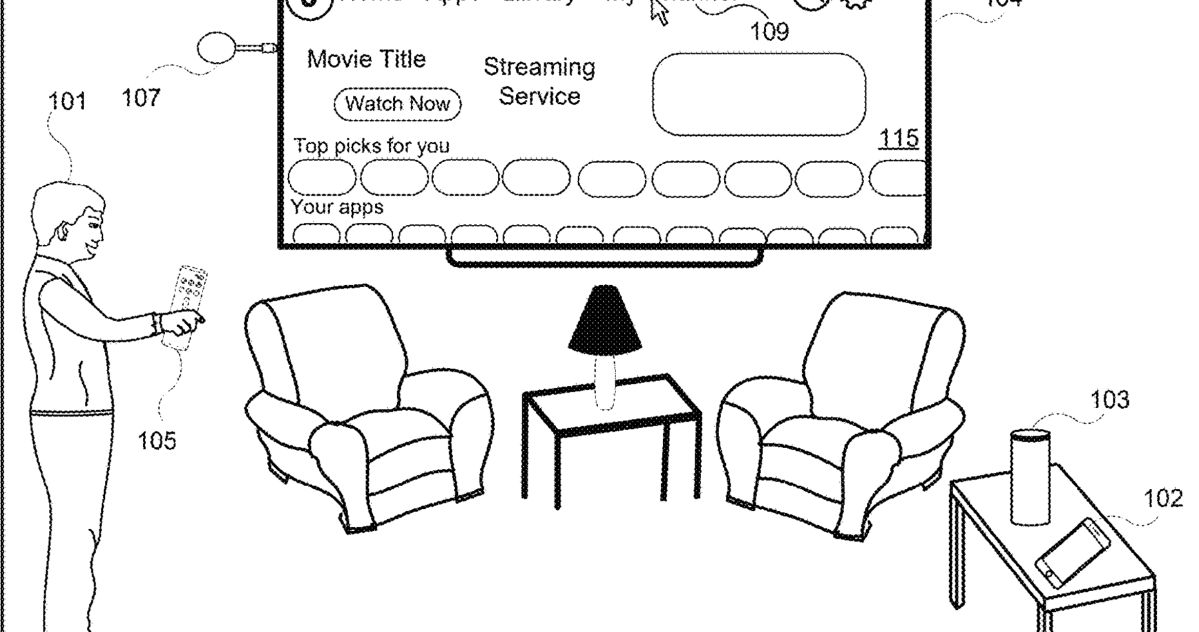
Google filed a patent for My Channel, a system that uses demographic data and viewing history to generate personalized videos and ads. The patent, filed last May and published last week, was rejected, but Google might appeal or resubmit.
Why it matters
The patent describes feeds built entirely from what Google already knows about a viewer, and mentions creating digital avatars of users as the protagonist. That points to entertainment narrowly tailored to assumed tastes, which the piece frames as a bleak direction.
Summaries like this, every morning.
The patent was filed last May and only published last week, and it has already been rejected — though Google could appeal or resubmit an amended version, so the idea is not necessarily dead. What the document lays out is a fairly wide net of inputs: demographic data, viewing history, device-level signals such as IP addresses and GPS locations, age details, and even current news like sports scores and social media activity, all turned into prompts for an LLM that generates the videos on Google's servers. The patent also describes connecting My Channel to other streaming services, which would give it more information about users and, presumably, access to useful training data for video generation. The most unsettling element is the mention of digital avatars built from people's photos, videos, and audio clips and cast as "the protagonist or lead character" in the content. The piece's argument is that such a feed would let users avoid anything outside their comfort zones rather than encounter new things — and that video models can mimic the visual elements of the movies and series they are trained on without the creative intention behind human-made work.
Pick your industry and the AI tools you use, and get news related to your work every day.
Free · 30 seconds with Google · unsubscribe anytimeWhat is AIToday? →
Ask AI anything about this article. The AI reads this article, earlier AIToday articles, and Wikipedia, and cites its sources. Q&As are published on this page for other readers too.
Observing browser-based tools at king-ai.net, the author found that splitting input into three types — text-to…

The Defense Ministry released its Defense AI Vision on Friday, setting five basic principles for Self-Defense…

A 76-author team led by Hui Shen released OS-Omni, a NeurIPS 2026 benchmark covering Windows, Ubuntu, macOS, i…

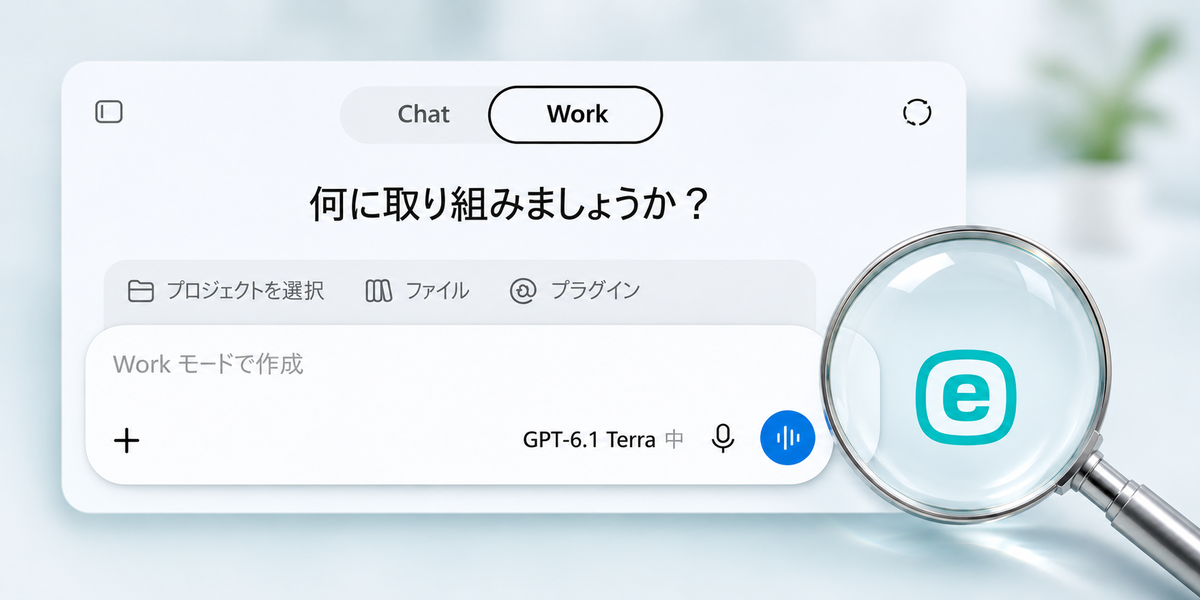
ESET released ESET HOME セキュリティ V20 on October 28, 2026, adding AI会話セキュリティ to scan URLs and generated code in b…
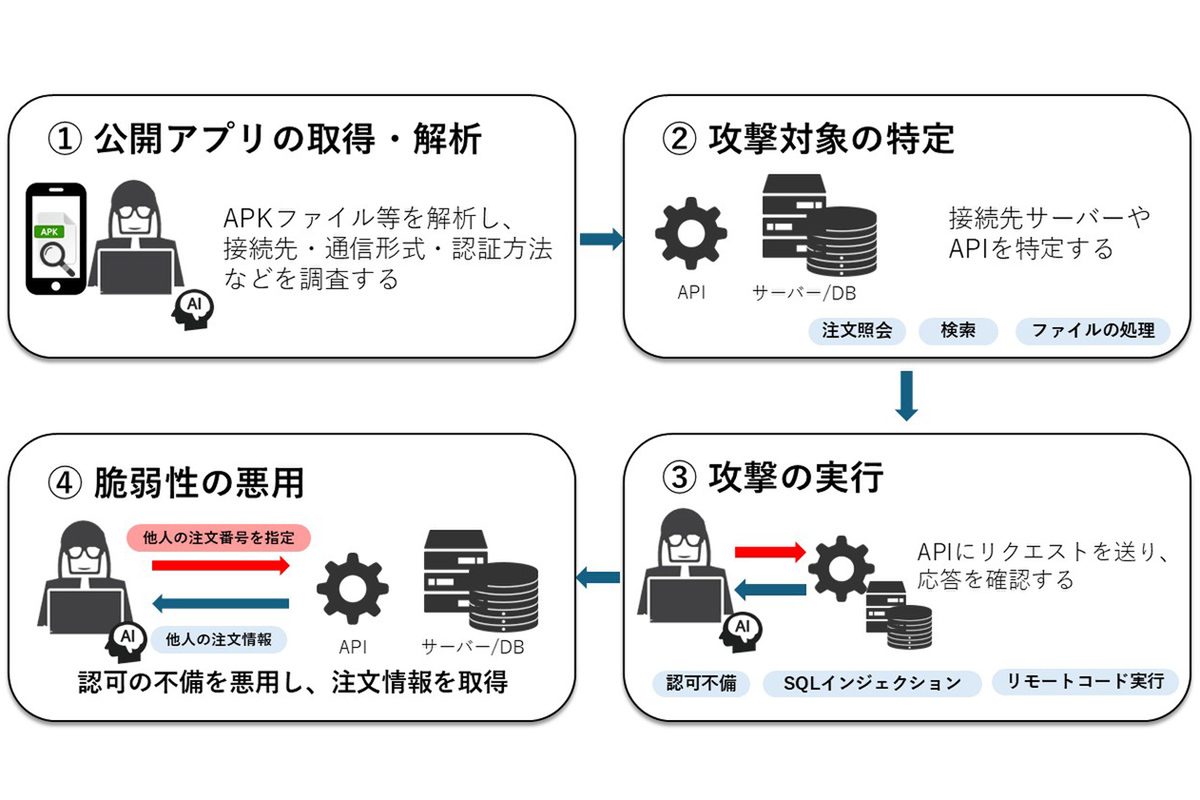
On October 13, NICT flagged A2B attacks, where attackers reverse-engineer public apps to find API endpoint and…
In Avitas's corporate governance and internal audit survey, 56.3% named AI and generative AI as a risk gaining…