What happened
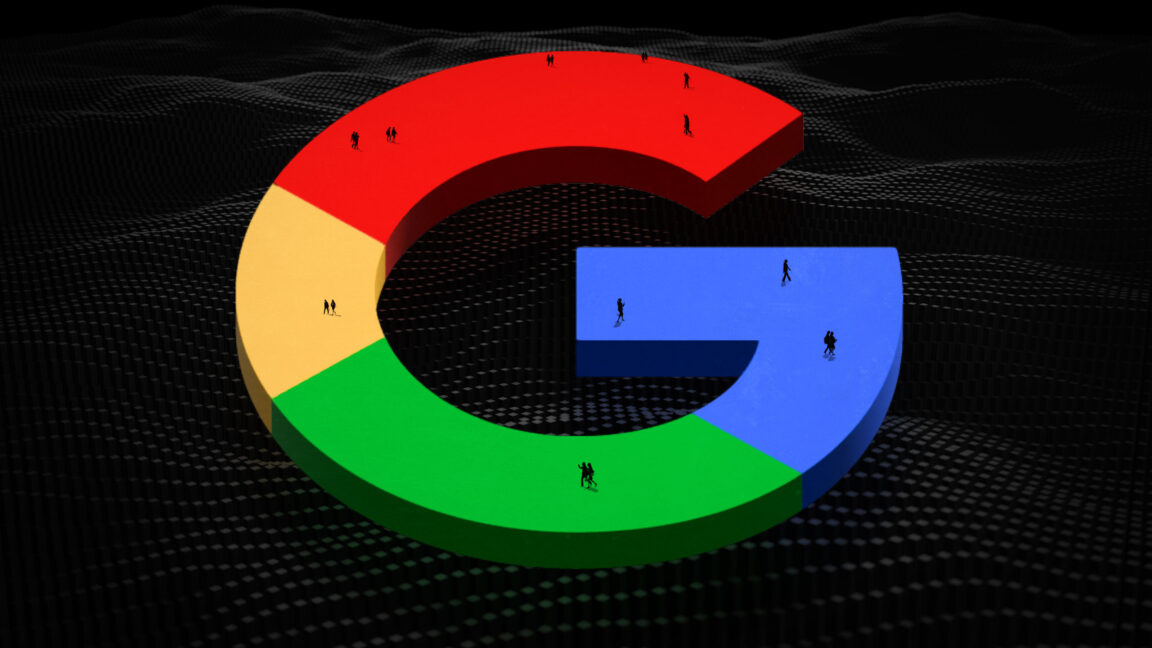
Google reported Q2 2026 revenue of $119.8 billion(約19兆円), but spent $44.9 billion(約7.2兆円) on AI infrastructure in that quarter alone—exceeding its $39.1 billion(約6.3兆円) operating cash flow and resulting in negative free cash flow of -$5.8 billion(約9300億円) for the first time.
Why it matters
The company has dramatically raised its 2026 capital expenditure forecast to as much as $205 billion(約33兆円) (up from an earlier $180 billion(約29兆円)–$190 billion(約30兆円) guidance and well above the $91 billion(約15兆円) spent in 2025), signaling that the scale of AI infrastructure investment is now outpacing even Google's massive cash generation and reshaping how the company allocates capital.
What to watch
Google Cloud revenue jumped 23.8 percent from Q1 to $24.8 billion(約4兆円), reflecting strong demand for its AI services—a potential offset if the company can continue monetizing its AI spending at scale.
Summaries like this, in your inbox every morning.
Google's negative free cash flow in Q2 2026 marks a watershed moment for the company, even as its top-line revenue of $119.8 billion(約19兆円) comfortably beat analyst expectations. The shift reflects not a decline in earnings but a deliberate and aggressive bet: the company is prioritizing the build-out of AI infrastructure over near-term shareholder returns. Google's operating cash flow of $39.1 billion(約6.3兆円) (a 40 percent increase from Q2 2025) remains robust, but it has been outpaced by capital spending for the first time.
The scale of this pivot is striking. By raising its 2026 capex forecast to as much as $205 billion(約33兆円)—more than double the $91 billion(約15兆円) spent in 2025—Google is signaling that AI infrastructure is now its dominant capital allocation priority. This spending is not speculative: Google Cloud's 23.8 percent quarter-over-quarter revenue growth to $24.8 billion(約4兆円) indicates that demand for the company's AI services is substantial enough to justify the investment. Search, Google's traditional cash engine, still delivered $63.3 billion(約10兆円) in quarterly revenue, and YouTube ads grew more than 12 percent after the company extended ad length. Yet even this abundance of cash generation cannot keep pace with AI capex, a dynamic likely to persist as competitors pursue similar strategies.
For example, today's edition would include:
AI-summarized, only the topics you pick — one digest a day via Email, Slack, or Discord.
Free · 30 seconds with Google · unsubscribe anytimeWhat is AIToday? →
Ask AI anything about this article. Q&As are published on this page for other readers too.
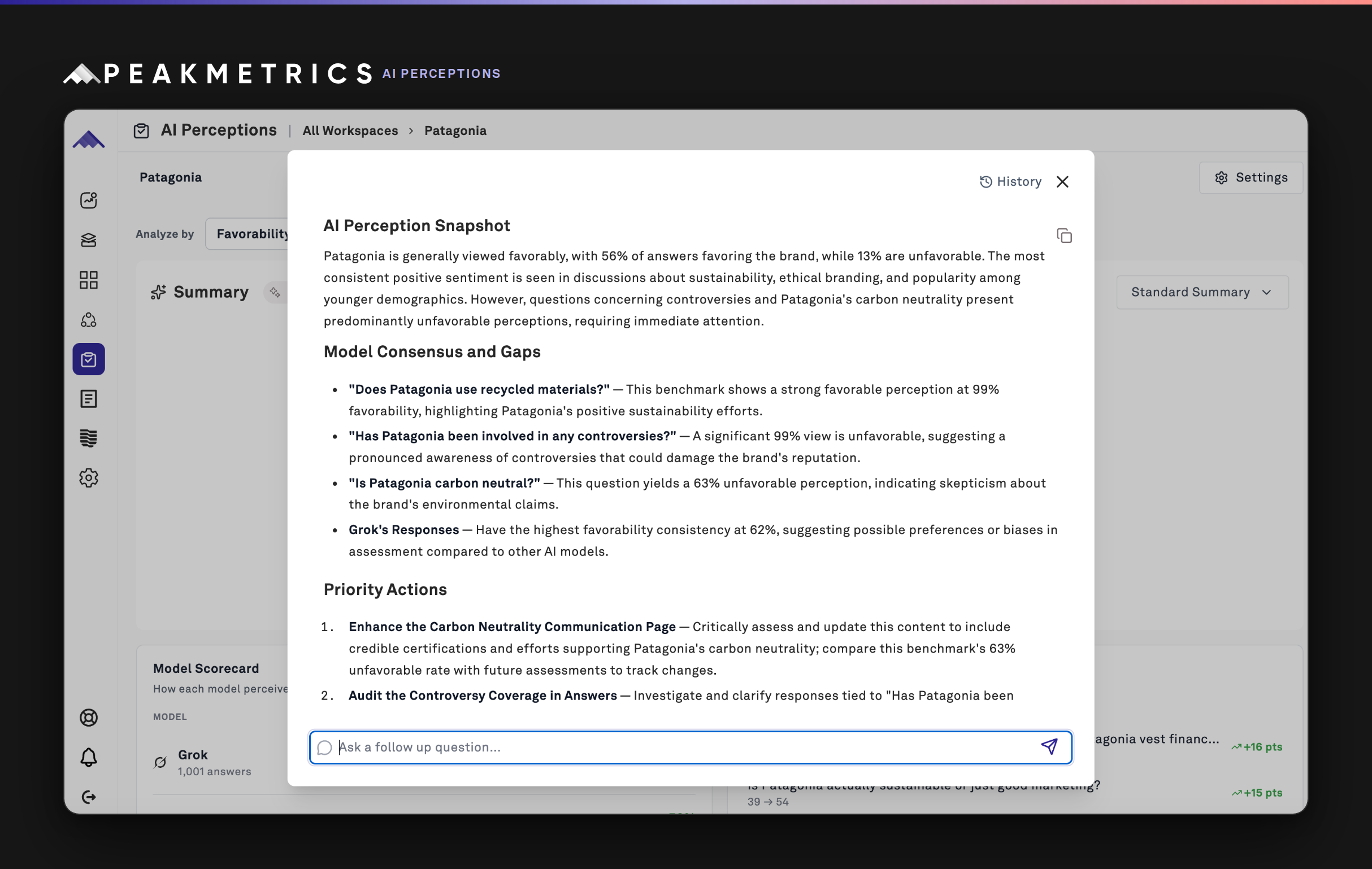
PeakMetrics launched AI Perceptions, which regularly submits customer-chosen prompts to ChatGPT, Gemini, Claud…
DIGITIMES published a report saying end-to-end autonomous driving has become the mainstream technology path, a…

Adobe globally launched Student Spaces in Acrobat for free, an AI-driven study platform that gained more than…

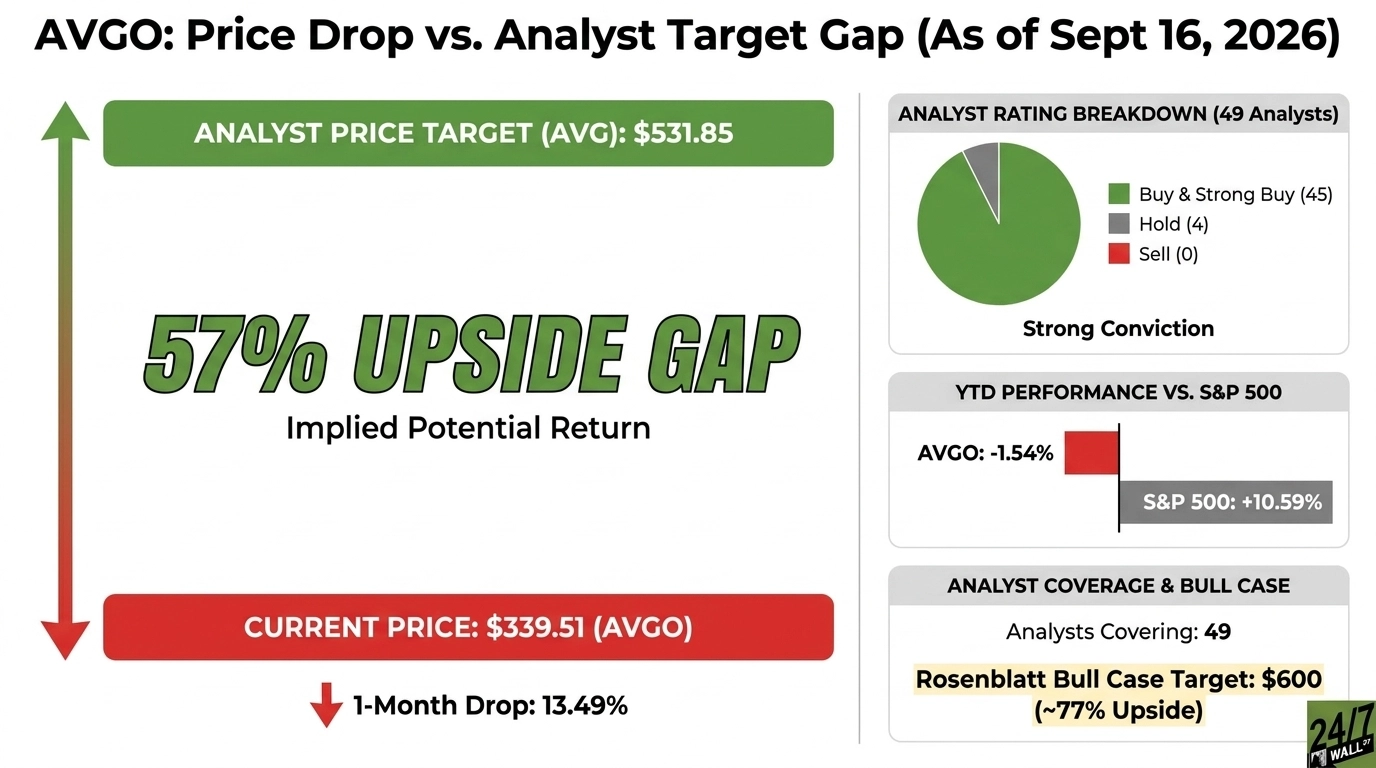
Rosenblatt Securities analyst Sajal Dogra raised his Broadcom price target to $600 from $500 with a Buy rating…
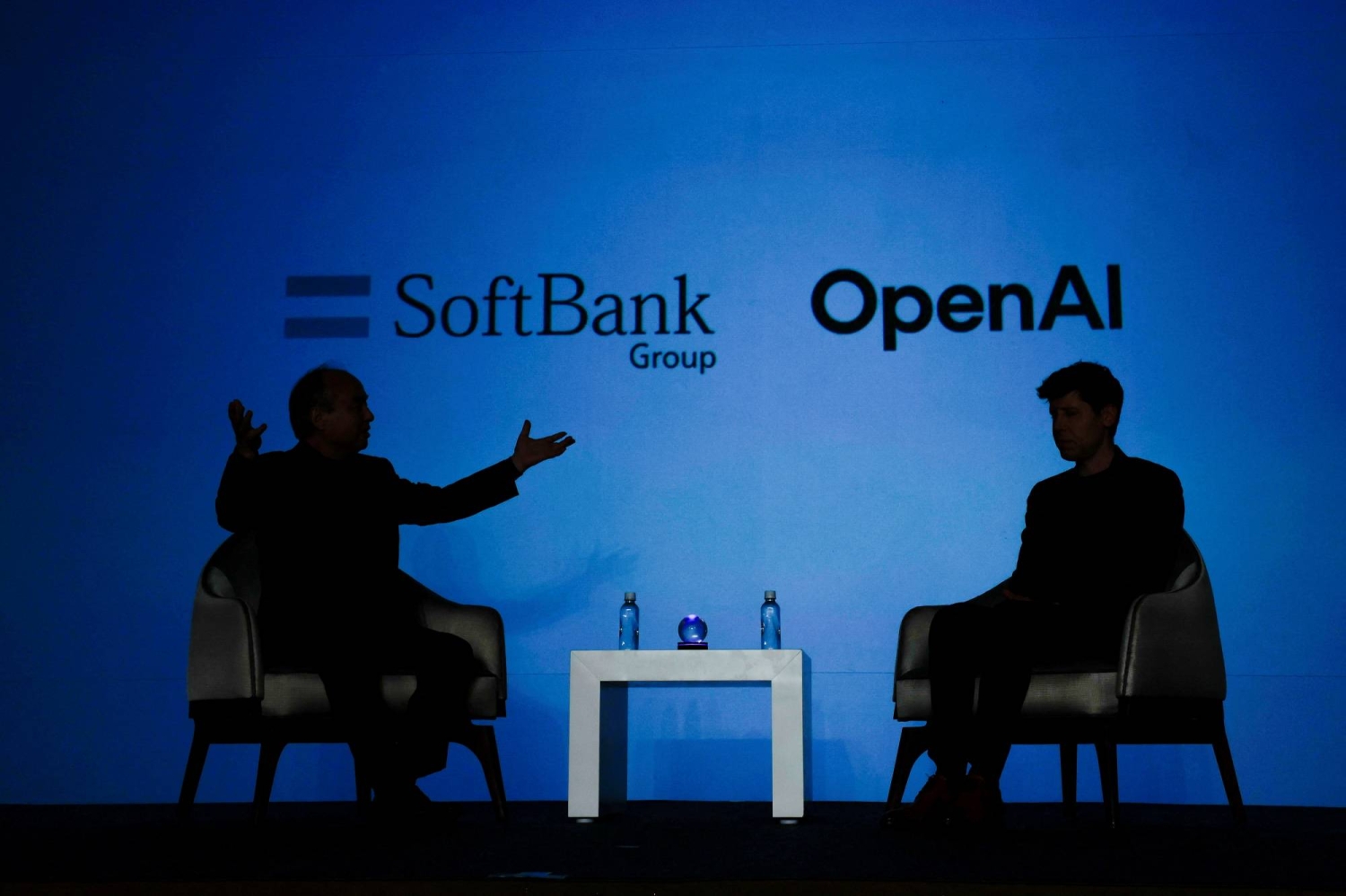
Apollo Global Management is in talks to boost a NAV loan to SoftBank's Vision Fund 2 to $9 billion, from $5.4…
Bluecore Energy raised an oversubscribed $50 million seed round led by Silverton Partners, with investors incl…