What happened
Genomic foundation models like Evo 2, Genos and Google DeepMind's AlphaGenome learn correlations from DNA sequence, but Wendy Bickmore of the University of Edinburgh says the big gap is missing data on all the cell types and how they change over time.
Why it matters
If that data is absent, such models may not capture how the genome is regulated in context, so their predictions could carry limits that a black-box approach cannot resolve, according to Bickmore.
Summaries like this, in your inbox every morning.
The genome is framed as something more dynamic than a static script. It notes that the Human Genome Project, completed between 1990 and 2003, showed that barely 2 percent of the human genome consists of actual genes. The harder question is how those genes are regulated, which involves much of the rest of the genome.
That regulatory picture includes transcription factors, enhancers, chromatin loops, epigenetic marks and post-transcriptional controls. These are described as context-dependent and combinatorial, which makes the genome less like a program and more like an open informational system. Genomic foundation models such as AlphaGenome are trained to learn correlations from sequence and treat this complexity as implicit in their training.
Bickmore's comments suggest the limits of that approach may lie in data rather than model design. She says she is sure AlphaGenome will be useful but with limitations, and she points to missing data on cell types and developmental change. A broader point is also raised: factors such as diet, environment and microbiome may matter, which could mean genomic models cannot predict all consequences of mutations from sequence alone.
Pick your industry and the AI tools you use, and get news related to your work every day.
Free · 30 seconds with Google · unsubscribe anytimeWhat is AIToday? →
Ask AI anything about this article. The AI reads this article, earlier AIToday articles, and Wikipedia, and cites its sources. Q&As are published on this page for other readers too.
Researchers gave models 1,600 synthetic work logs, each with a hidden flaw
OpenAI presented a 166-page potential Navier-Stokes proof in early September, saying it followed the approach…
A simulation of Crescendo, the multi-turn jailbreak by Russinovich, Salem and Eldan published at USENIX Securi…

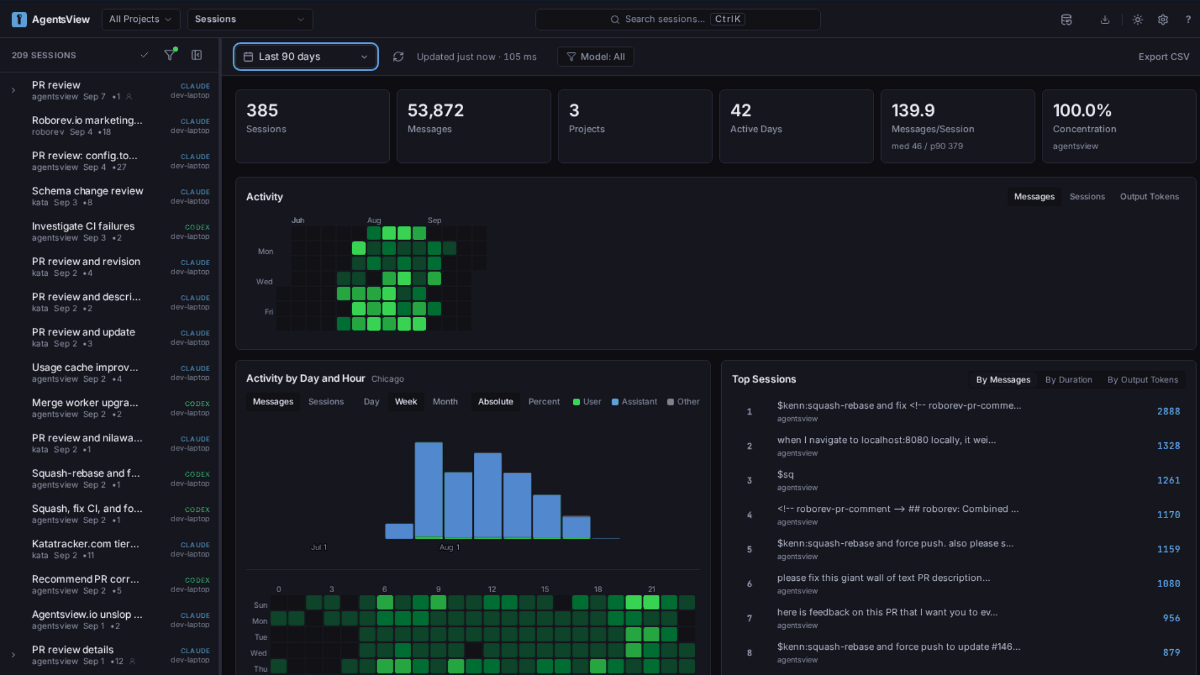
AgentsView automatically detects the local logs of Claude Code, Codex, Cursor, Copilot, Gemini and 60-plus oth…
Deutsche Bank Research predicts superintelligent AI could outperform human experts across virtually every cogn…

Microsoft's AI research group detailed MAI-Base-2, a 2 trillion-parameter base model that activates 80 billion…