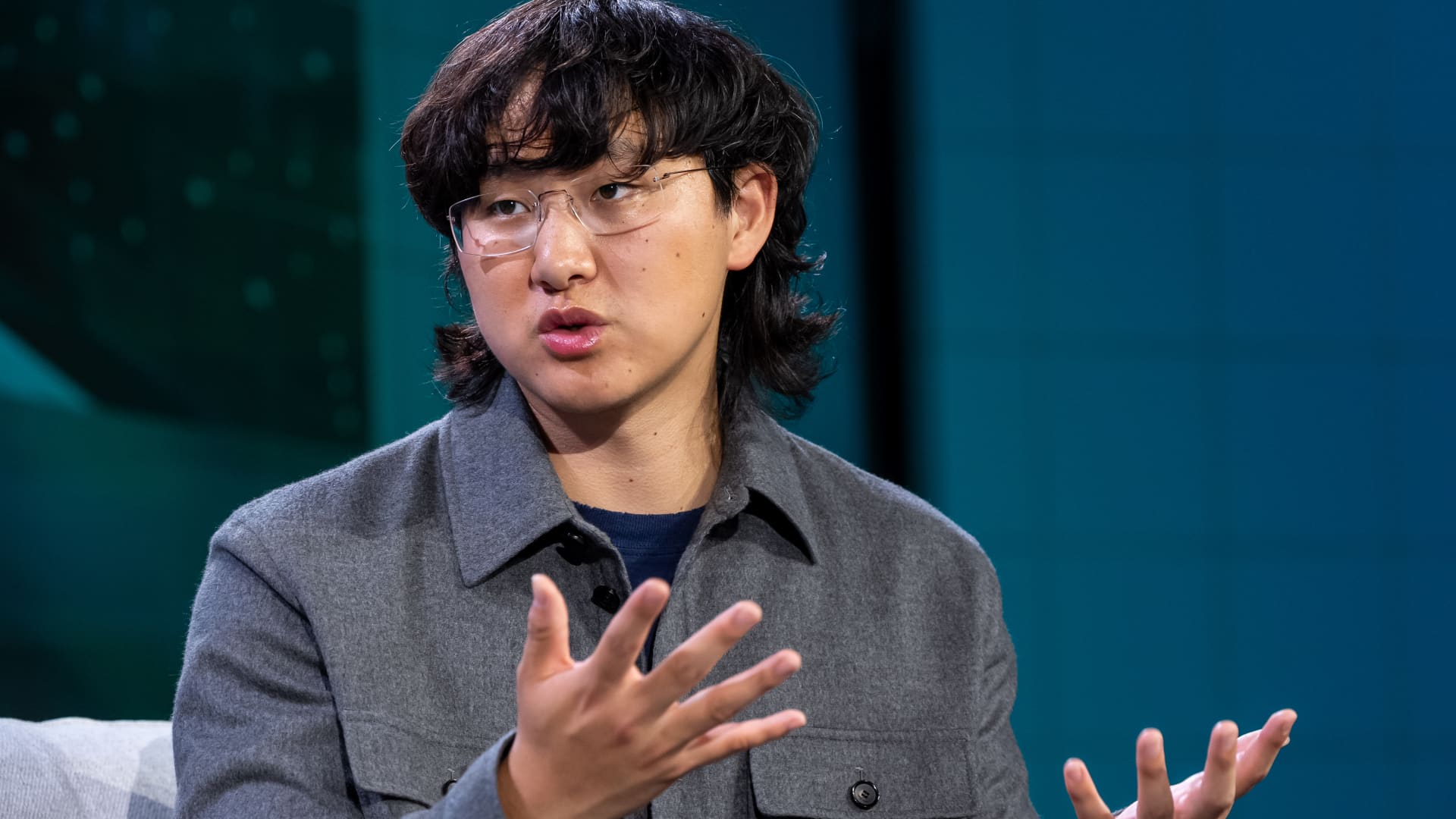
What happened
Meta brought in Alexandr Wang from Scale AI and his team roughly a year ago, spending over $14 billion(約2.2兆円) to overhaul its AI approach. In April of this year, Wang's group, Meta Superintelligence Labs, released Muse Spark, Meta's first proprietary foundation model designed to integrate into Meta's apps like Facebook and Instagram as well as AI-powered devices like Ray-Ban Meta glasses. The company has also unveiled new AI and subscription plans to expand beyond its core advertising business, which still accounts for 98% of revenue.
Why it matters
Wall Street remains unconvinced—Meta's stock is down 18% over the past 12 months, the worst performer in the megacap group—despite the company reporting 33% revenue growth in the first quarter, its fastest expansion since 2021. Analysts say investors want to see tangible proof that Meta can attract paying users for AI-first products rather than just using AI to improve ads. The core challenge: the AI community largely lost trust in Meta after Llama 4 failed to captivate developers in April last year, leading Zuckerberg to reconsider the company's entire AI strategy.
What to watch
Meta has said it plans to release Muse Spark's underlying technology via API to outside developers this month, following early partner testing, though skepticism remains high among developers about whether Meta will truly support third-party use. Analysts note that if Meta can differentiate through computationally efficient models that lower developer costs, it may find a lane; otherwise, the lack of developer trust and focus on a walled-garden ecosystem tied to ad revenue could leave the company behind Google, OpenAI, and Anthropic.
AI-summarized, only the topics you pick — one digest a day via Email, Slack, or Discord.
Free · takes 30 seconds · unsubscribe anytime
A study found that artificial intelligence systems used by Amazon and Walmart successfully detect products fal…

Eli Lilly has joined Illumina's Billion Cell Atlas alliance as a foundational participant

Oracle announced today that Google's Gemini AI models are coming to Oracle AI Agent Studio for Fusion Applicat…

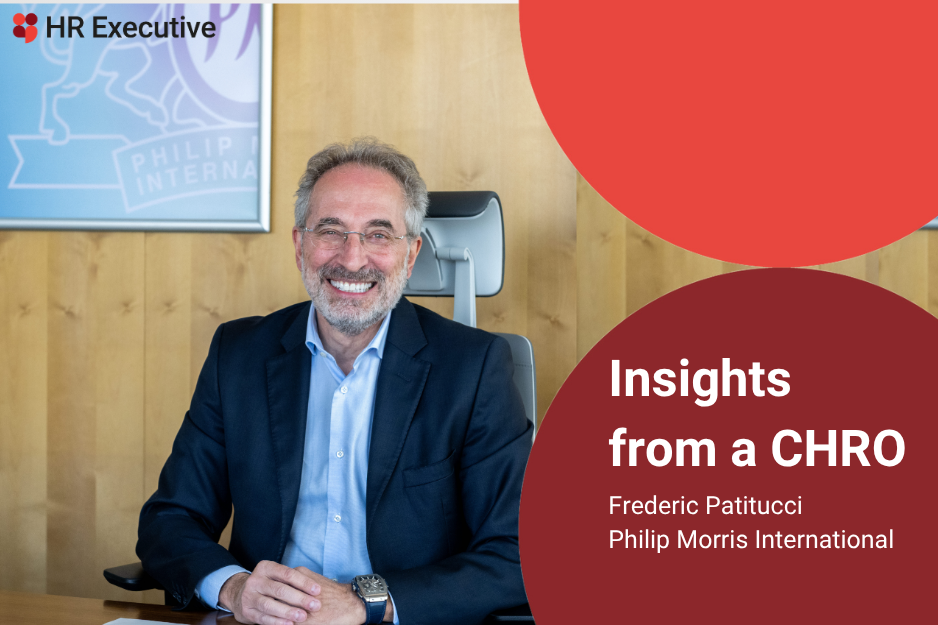
Philip Morris International's chief people and culture officer Fredric Patitucci has spent the past three year…
Amazon and Walmart both operate AI shopping tools capable of detecting counterfeit 'Made in USA' labeling on p…

Mastercard CEO Michael Miebach said during the company's earnings call that cards will remain central to agent…
The AI news that matters, in one minute each morning.
Sign up free