What happened
Japan's AI Safety Institute and Information-technology Promotion Agency (IPA) published "AI Robotics Safety Evaluation Perspective Guide" on July 23, 2026, to support safe deployment of AI robots that share space with people and perform movement, dialogue, and transport tasks. The guide identifies risks created by AI use and provides evaluation and mitigation perspectives for robot makers, system integrators, and component makers from design through operation.
Why it matters
The guide addresses physical, psychological, and social risks — including collision, threatening speech, discriminatory treatment, and misinformation spread — by organizing evaluation into nine key checkpoints. This standardized safety framework supports both service robots and collaborative robots operating in real-world environments like cafés and delivery routes, reducing harm and building public trust in AI robotics deployment.
What to watch
The guide draws on use cases of café delivery robots and remote-controlled small delivery robots. Participating organizations include the National Institute of Advanced Industrial Science and Technology, IHI, Kawasaki Heavy Industries, Panasonic Holdings, Hitachi, Fujitsu, Mitsubishi Electric, Murata Manufacturing, and Mitsubishi Research Institute. The content will be updated as needed to align with social conditions and international regulatory trends.
Summaries like this, in your inbox every morning.
The July 23, 2026 release marks a formal effort by Japan's government-backed AI safety and information infrastructure bodies to establish common safety criteria as AI robotics move into everyday public spaces. The guide's three-category risk model (physical, psychological, social) reflects a shift in how regulators think about robot harm — not just mechanical injury, but also psychological distress, unfair treatment, and information hazards. By organizing evaluation into nine concrete checkpoints and anchoring the framework in real use cases (café delivery, package transport), the guideline creators have designed a tool that robot makers can apply in practice rather than merely as compliance theater.
The participating organizations span Japan's major industrial and technology sectors — from IHI and Kawasaki Heavy Industries (established industrial roboticists) to Panasonic, Hitachi, Fujitsu, and Mitsubishi Electric (conglomerates with robotics and AI units) — suggesting both broad industry input and alignment with existing corporate R&D. The commitment to update the guide as international regulatory trends shift signals that Japan is positioning this as a living standard, not a fixed rule, and anchors it to global safety harmonization efforts.
For robot developers and deployers, the guide reduces uncertainty about what safety evaluation means in AI contexts, potentially accelerating deployment timelines by providing a shared reference. For users and the public, it creates accountability: companies using the guide have a documented framework to reference when explaining why a robot behaves a certain way or how risks were mitigated.
Pick your industry and the AI tools you use, and get news related to your work every day.
Free · 30 seconds with Google · unsubscribe anytimeWhat is AIToday? →
Ask AI anything about this article. The AI reads this article, earlier AIToday articles, and Wikipedia, and cites its sources. Q&As are published on this page for other readers too.
In a webinar hosted by French Mathematical Society president Isabelle Gallagher, Fields Medal winner Hugo Dumi…

Anthropic said on October 15 it has started giving METR's six staff company devices, office space and access t…

NVIDIA published a blog post titled "AI Security Is an Engineering Problem - How to Solve It at Every Layer of…

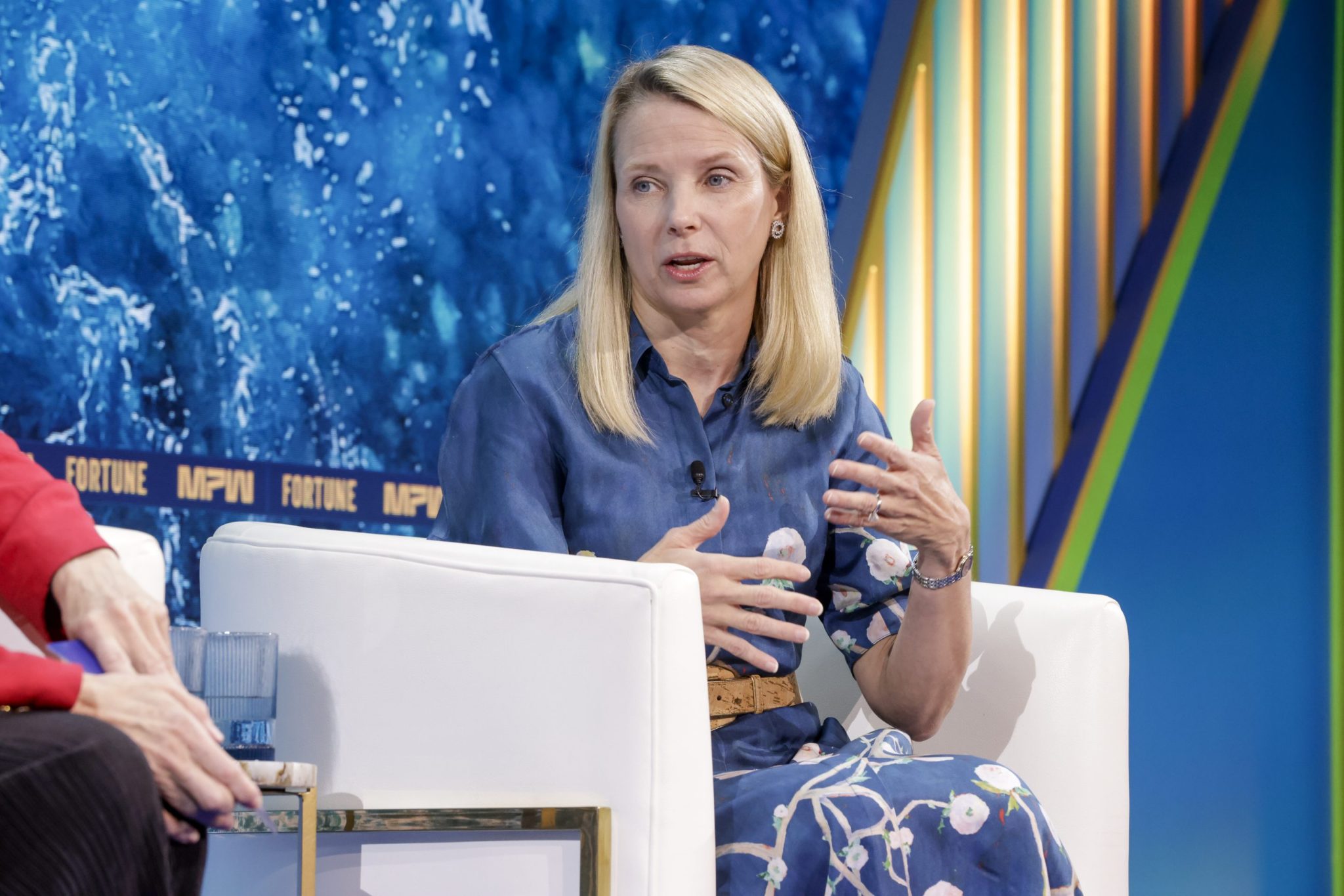
At the Most Powerful Women Summit, Marissa Mayer said anyone who claims to know how AI will play out is 'eithe…
After its first meeting Thursday, the White House AI task force formally adopted its charter, opening a 120-da…

In a Harvard survey of more than 5,400 Americans, over half of men claimed familiarity with fictitious AI lumi…