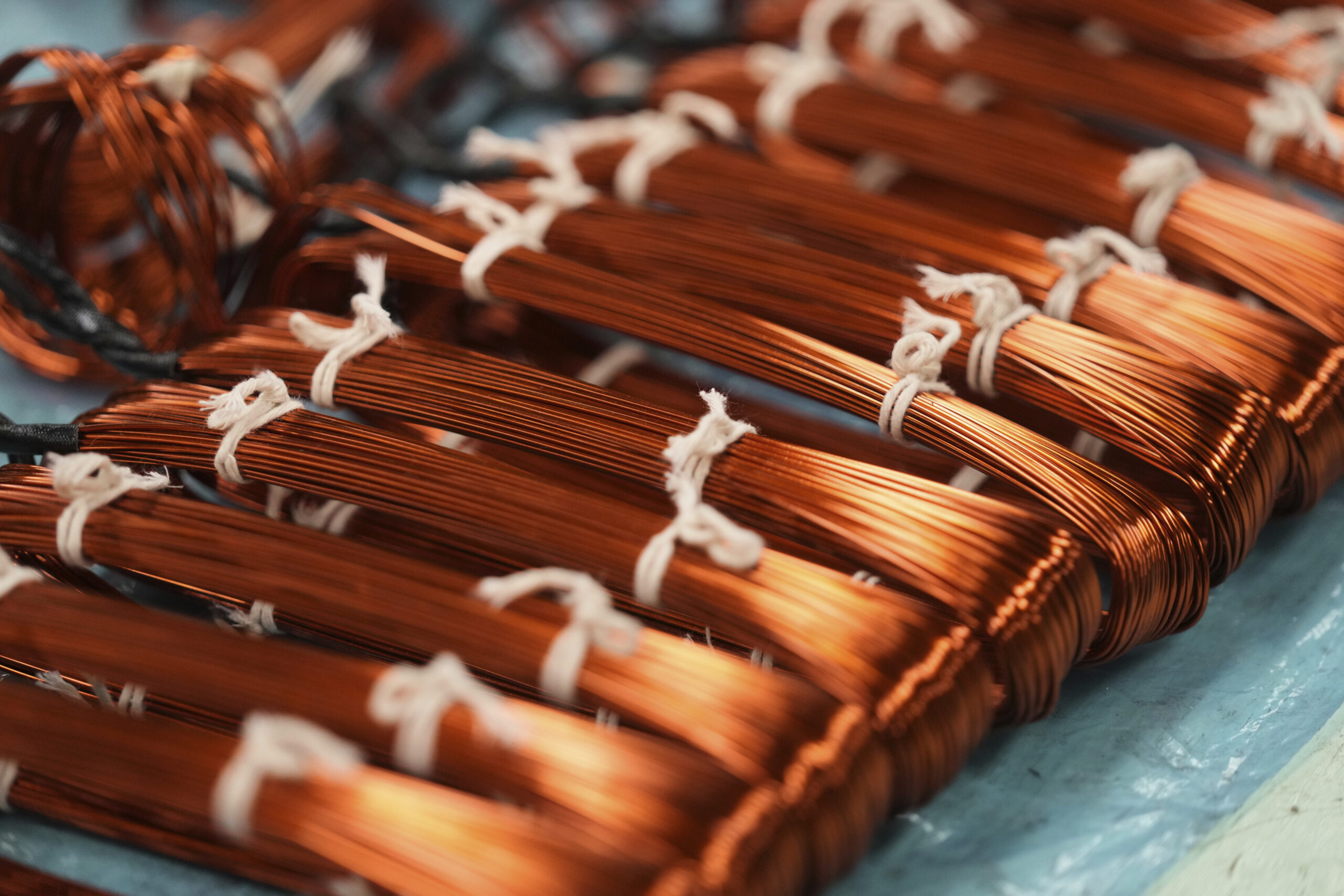
Copper has reached record highs driven by structural supply shortages and growing demand from AI data centers, electrification, and electric vehicles. Investment strategists now recommend copper ETFs as a way to play this trend, offering exposure through direct futures contracts or mining-company portfolios with varying risk profiles and expense ratios.
Summaries like this, in your inbox every morning.
Sign up free →What happened
An investment guide identified five copper ETFs as potential plays on rising demand from AI data centers, electrification, and electric vehicles. The funds range from pure copper futures trackers to mining-stock portfolios, with one-year returns spanning 9.8% to 64.6%.
Why it matters
Copper has hit all-time highs and faces structural supply constraints from years of underinvestment, while demand is set to rise sharply due to high-tech investments and infrastructure buildouts. For business readers, this underscores how commodity exposure has become intertwined with AI infrastructure buildout.
What to watch
The largest fund by net assets is Global X Copper Miners ETF (COPX) with $6.7 billion(約1.1兆円) in assets under management and a 0.65% expense ratio; it tracks 40 mining stocks. Funds focused on junior miners—smaller, speculative operations—posted higher returns but carry greater volatility.
Copper has shifted from a niche commodity play to a core infrastructure bet tied directly to the AI and energy transition buildout. The metal's structural supply squeeze—rooted in years of underinvestment in mining capacity—now collides with surging demand across data centers, vehicle electrification, and grid modernization. This dynamic positions copper differently from speculative plays like gold; as Southern Copper noted in a May 2025 presentation, copper now carries what the company called "the best fundamental story in commodities."
For investors, the copper ETF landscape offers multiple entry points with markedly different volatility and return profiles. Futures-based funds like CPER offer direct price exposure but suffer from rolling costs that erode returns over time, making them better suited to short-term positioning. Mining-stock funds introduce operating leverage—miners' profits rise faster than copper prices when the metal climbs, but also fall faster during downturns—and diversification (since miners extract other valuable deposits alongside copper). Junior miner funds push that leverage to an extreme, delivering outsized returns when sentiment favors copper but exposing investors to companies with limited operational history or no working mines.
No comments yet. Be the first to share your thoughts!
Log in to join the discussion




Get curated AI news from 200+ sources delivered daily to your inbox. Free to use.
Get Started FreeFree · takes 30 seconds · unsubscribe anytime
1 minute a day. The AI essentials.
200+ sources · Email / LINE / Slack
