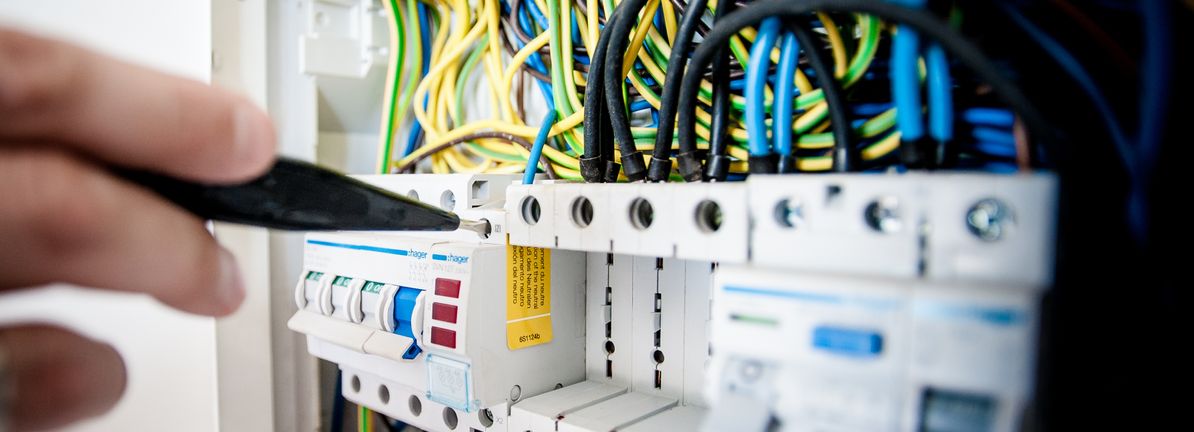
Three major companies—Vertiv (data center infrastructure), Costco (warehouse retail), and Palantir (government and enterprise AI software)—appear in a low-risk stock screener despite trading at premium valuations. While each has strong fundamentals (solid free cash flow, high margins, or loyal customer bases), their high price-to-earnings multiples raise the question of whether the market is underpricing or overpricing their growth prospects and competitive moats.
Summaries like this, in your inbox every morning.
Sign up free →What happened
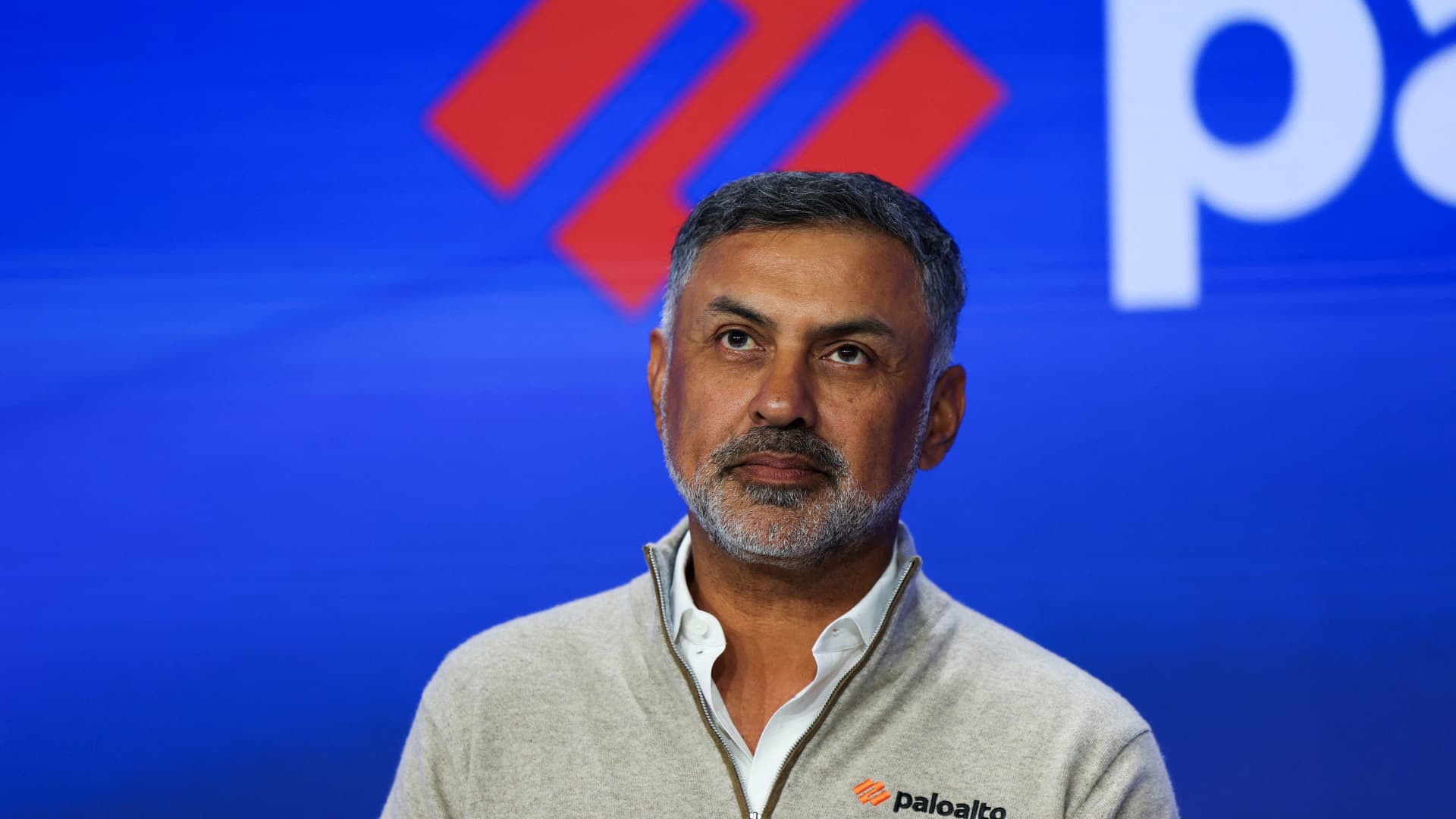
A research screener identified Vertiv Holdings, Costco Wholesale, and Palantir Technologies as stocks combining low risk profiles with strong fundamentals. Vertiv generates roughly US$7.0b in Americas revenue and supplies power and cooling systems for data centers; Costco pulls about US$293.6b in revenue from membership warehouses with 92% renewal rates; Palantir reports about US$2.8b from government and US$2.5b from commercial clients, with a 43.7% net margin and no debt.
Why it matters
All three trade on high price-to-earnings multiples despite solid balance sheets and earnings growth, raising a question about whether their current valuations fully reflect their business quality and future prospects. For investors managing risk in an uncertain macroeconomic environment, these stocks represent companies with durable competitive advantages—Vertiv's position in AI data center buildouts, Costco's member loyalty, and Palantir's cash-rich balance sheet and government contracts—but at prices that assume significant continued execution.
What to watch
The screener identified 73 additional companies with comparable low-risk profiles. Investors are watching whether AI infrastructure spending holds (a key risk for Vertiv), whether Costco's growth meets or trails broader market expectations, and how political and regulatory risks around Palantir's sensitive contracts (such as the U.K. NHS deal) evolve.
The article presents three established companies that pass a screening process designed to identify firms with strong balance sheets, low risk scores, and resilient fundamentals. What unites them is a paradox: all three exhibit signs of business quality—Vertiv's position supplying critical infrastructure as cloud providers scale AI workloads, Costco's customer loyalty reflected in its 92% membership renewal rate, and Palantir's cash-rich, debt-free balance sheet combined with high profitability metrics—yet all trade at elevated price-to-earnings multiples. This suggests the market is pricing in significant future growth, leaving limited margin for disappointment.
For each company, the article identifies a specific vulnerability. Vertiv's earnings surge and backlog appear partly dependent on continued cloud-provider spending on AI infrastructure; if that spending slows, the stock's valuation—which already reflects strong recent gains—could face pressure. Costco's membership model provides recurring revenue and strong engagement (particularly among executive members), but if growth disappoints relative to broader market expectations, the market may reprice the stock. Palantir's government and enterprise software contracts sit at the heart of sensitive, policy-dependent relationships; regulatory or political shifts (illustrated by concerns over its U.K. NHS contract) could affect future revenue or investor confidence in contract stability.
The screener itself identified 73 additional low-risk stocks, suggesting that while these three companies meet quality thresholds, they are not unique in combining strong fundamentals with apparent undervaluation risk. Investors appear to be weighing whether the companies' growth catalysts and competitive advantages justify their current valuations or whether that premium will compress if execution falters or macroeconomic conditions shift.
No comments yet. Be the first to share your thoughts!
Log in to join the discussion



Get curated AI news from 200+ sources delivered daily to your inbox. Free to use.
Get Started FreeFree · takes 30 seconds · unsubscribe anytime
1 minute a day. The AI essentials.
200+ sources · Email / LINE / Slack
