What happened
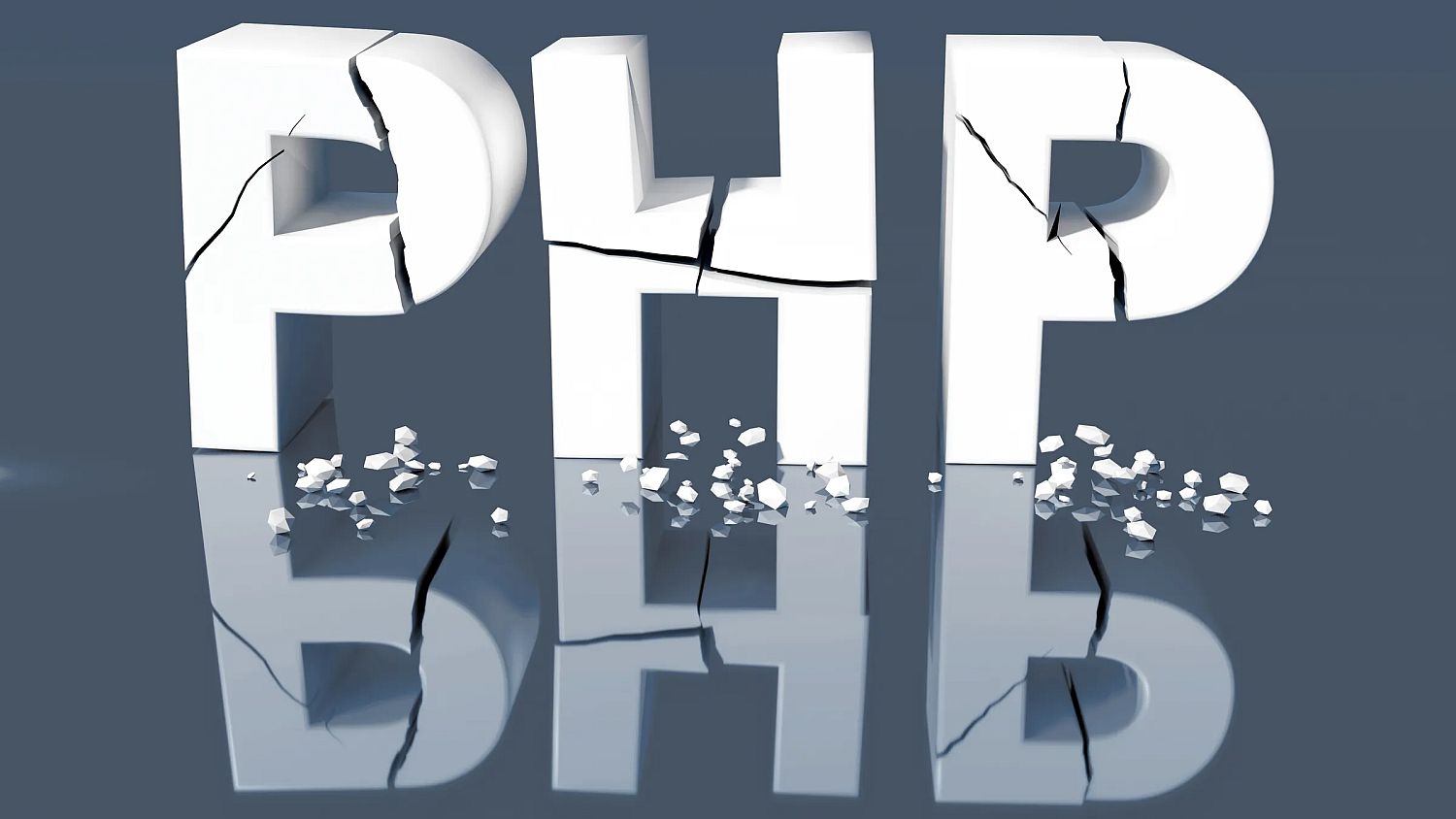
A severe vulnerability called PHP2Shell, found on October 21, 2026, could have affected sites like NASA, Wikipedia and the White House, but a patch shipped before exploitation.
Why it matters
The incident suggests the discovery side can now find exploitable flaws before defenders can close them, and the burden falls hardest on unpaid, low-revenue maintainers.
Summaries like this, every morning.
The PHP2Shell case traces back to a memory error reported to the PHP Foundation in 2024 but left unresolved because its severity was not recognized at the time. The language itself dates to 1994, when it stood for "Personal Home Page." In early 2026, an independent audit of PHP by Calif, a cybersecurity firm backed by OpenAI, used AI tools to show that the old memory bug could be exploited. Researchers found that leverage required precise, multi-step reasoning about memory locations and overwrite bits, a task where AI assistance proved effective, though the exploit still needed human experts knowledgeable in both security and PHP. The episode is being read as an early sign that AI can surface the accumulated technical debt of legacy software, and that the asymmetry between finding flaws and patching them without breaking existing features places a growing burden on open-source projects that lack a clear revenue source. Suggested responses include funding defenders and giving them access to advanced security AI models, along with progress in formal verification tools that automate patching. Anthropic's example of LLM-generated patches paired with LLM-generated proofs points in a promising direction, but hallucinations mean the final proof still needs human review. Some experts are pessimistic that nothing will be done until a truly serious incident occurs, while one thing is clear: cases like PHP2Shell are only the beginning, and whether they end in major damage or a quiet resolution depends on who finds the vulnerability first.
Pick your industry and the AI tools you use, and get news related to your work every day.
Free · 30 seconds with Google · unsubscribe anytimeWhat is AIToday? →
Ask AI anything about this article. The AI reads this article, earlier AIToday articles, and Wikipedia, and cites its sources. Q&As are published on this page for other readers too.
OpenAI announced GPT-6 Cyber on November 5, 2026, a model built for cybersecurity research that finds vulnerab…
The column argues running an AI-written tool locally keeps your photos off remote servers, since only what the…

Japan's AI Law, in force since September 1, 2025, carries no penalties; the country instead leans on soft-law…
In a Zenn write-up, the author explains that the ALPACA-template maps Waterfall's QG1–QG6 quality gates onto A…

Mikami of Canly's store-acquisition team used aidlc-workflows' bugfix scope on a Google Business Profile CSV b…
For April–September 2026, Nomura Research Institute posted revenue of 4299億円, up 8% year on year, and operatin…