What happened
Mikami of Canly's store-acquisition team used aidlc-workflows' bugfix scope on a Google Business Profile CSV bug, and the requirements stage changed the ticket's plan so service descriptions stay at 300 characters while menu descriptions rise from 300 to 1000.
Why it matters
The AI initially cited a deprecated ServiceList API and inferred from 30 days of zero error logs that GBP did not enforce a 250-character recommendation; Mikami had it re-check a year of logs and the admin screen, showing the value of questioning AI evidence before shipping.
Summaries like this, every morning.
The case shows how aidlc-workflows' bugfix scope, which runs only 7 of 32 stages and skips market research and architecture design, still forced a pause before implementation. The reverse-engineering stage surfaced that the menu and service limits were already different in the screen (1000 vs 300 characters) and handled by separate APIs, so the ticket's symmetric fix looked doubtful. In requirements-analysis, the AI first cited a deprecated API and used 30 days of zero error logs to argue GBP did not enforce its 250-character recommendation; Mikami pointed out the DB query covered all data regardless of creation date, so the AI withdrew the claim. A full re-investigation of official docs, API call paths, DB, a year of error logs, and the GBP admin screen confirmed service descriptions at 300 and menu descriptions at 1000 characters, and also revealed a 120-character service name limit not in the ticket. Later, a review AI warned that adding OpenAPI limits could block saves for stores with over-limit data, but a DB check found no such cases, so the limits were added. The author notes many of his challenges to the AI mirrored his usual review habits with team members, suggesting AI collaboration extends existing practices rather than replacing them.
Pick your industry and the AI tools you use, and get news related to your work every day.
Free · 30 seconds with Google · unsubscribe anytimeWhat is AIToday? →
Ask AI anything about this article. The AI reads this article, earlier AIToday articles, and Wikipedia, and cites its sources. Q&As are published on this page for other readers too.
OpenAI announced GPT-6 Cyber on November 5, 2026, a model built for cybersecurity research that finds vulnerab…
The column argues running an AI-written tool locally keeps your photos off remote servers, since only what the…

In a Zenn write-up, the author explains that the ALPACA-template maps Waterfall's QG1–QG6 quality gates onto A…

Shimmochi runs a Claude Code "commander" agent that rebuilds his task list from GitHub and Notion, decides the…

Hitachi Energy is expanding its partnership with Celonis, the process-intelligence leader, to scale AI use acr…

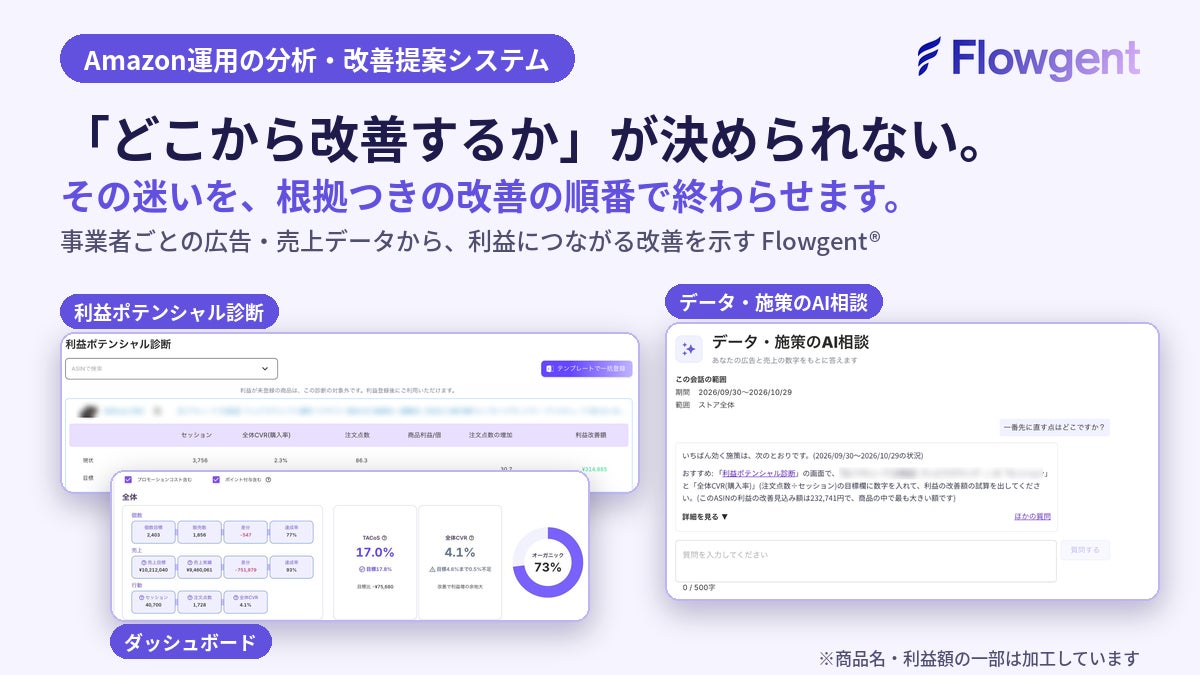
Spesia added an "AI consultation on data and measures" chat to Flowgent, its Amazon operations analysis system