What happened
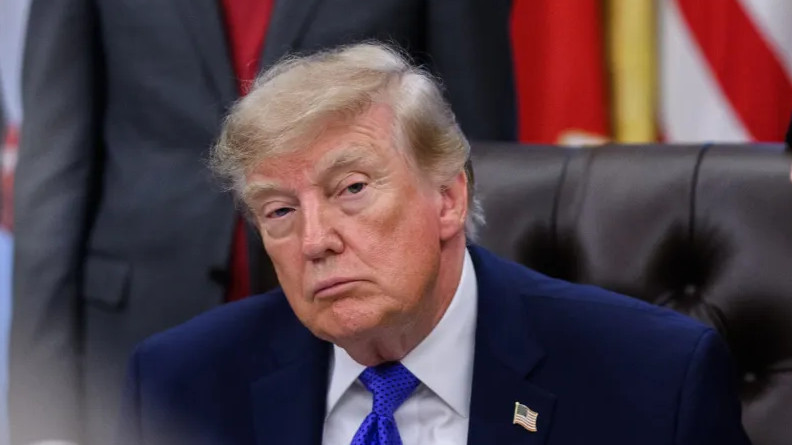
Trump signed an executive order on September 30, 2026 requiring federal agencies to use "superintelligence" and "SI" in place of "artificial intelligence" and "AI."
Why it matters
The order reflects the view that today's technology has outgrown what "artificial intelligence" originally described, so older AI wording is seen as too narrow.
What to watch
The White House science adviser must submit draft legislation within 60 days, after consulting agency heads, to define "superintelligence" and "SI" for the federal government.
WHO IT HITSFederal agencies and their staff now face new naming rules, and the White House science adviser's office must draft definitions within 60 days. Contractors and researchers working with federal programs may need to follow the new labeling.
Summaries like this, in your inbox every morning.
The executive order is framed around a vocabulary gap: the term "artificial intelligence" was coined when the technology looked very different, and the order's stated purpose is to recognize that U.S. innovators are now building capabilities beyond what that original label imagined. Under the order, every prior use of "artificial intelligence" or "AI" in federal contexts must switch to "superintelligence" or "SI," and the older terms are no longer allowed.
The order also sets a procedural step. The White House science adviser has 60 days to consult with relevant agency heads and submit draft legislation defining "superintelligence" and "SI" for the federal government. This suggests the terminology change is intended to be codified rather than left as a style preference.
The move follows a September 2026 agreement between Trump and Chinese President Xi Jinping to use "superintelligence (SI)" in place of "artificial intelligence (AI)," a signal that the wording carries diplomatic as well as domestic weight. How far the change reaches will likely depend on how the forthcoming definition is written and which agencies are covered.
Pick your industry and the AI tools you use, and get news related to your work every day.
Free · 30 seconds with Google · unsubscribe anytimeWhat is AIToday? →
Ask AI anything about this article. The AI reads this article, earlier AIToday articles, and Wikipedia, and cites its sources. Q&As are published on this page for other readers too.
The Tokyo District Court dismissed Kenjiro Tsuda's demand that TikTok remove AI voice-clone videos, citing pri…
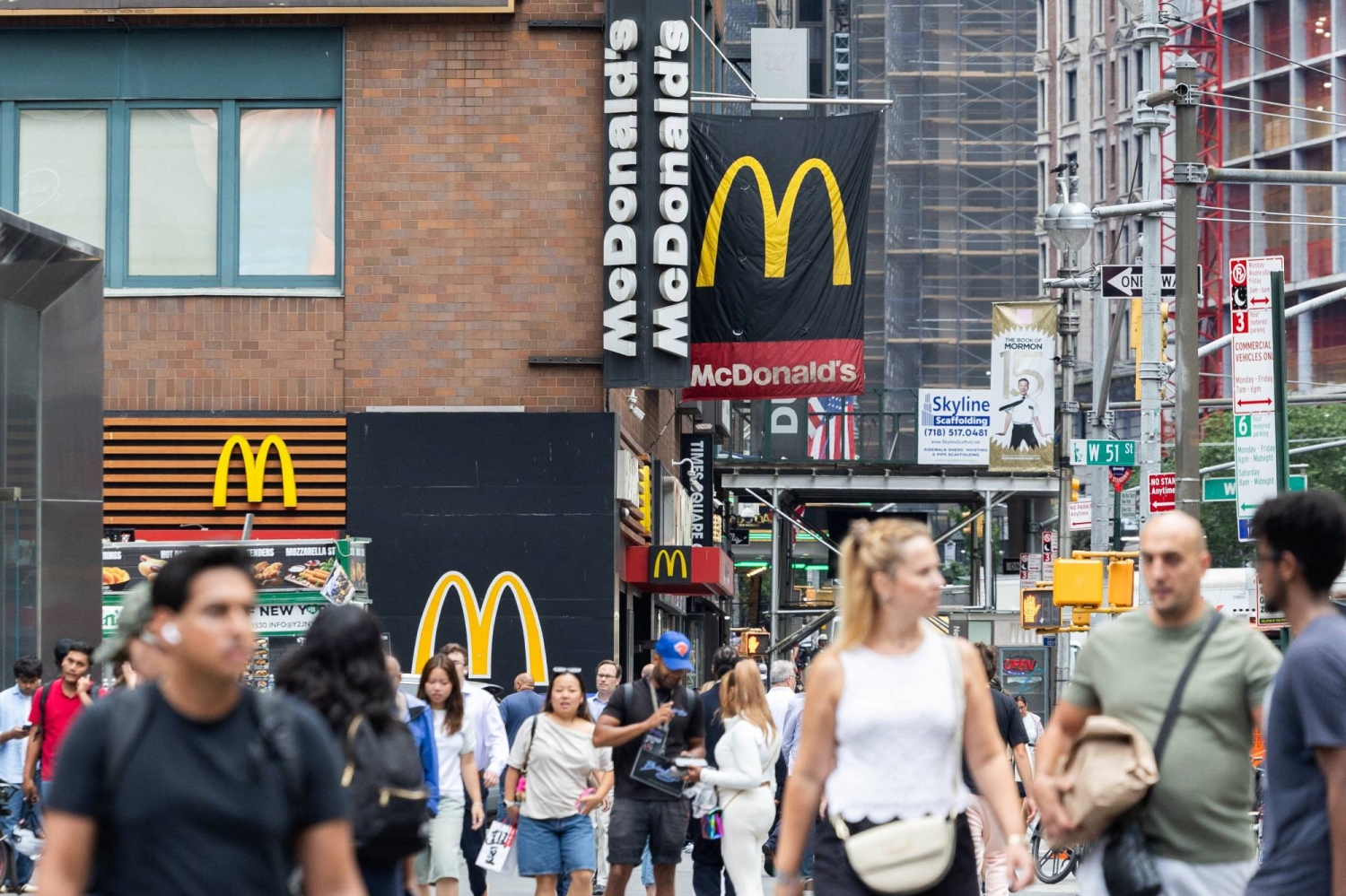
McDonald’s is increasingly using AI to guide menu prices in the U.S
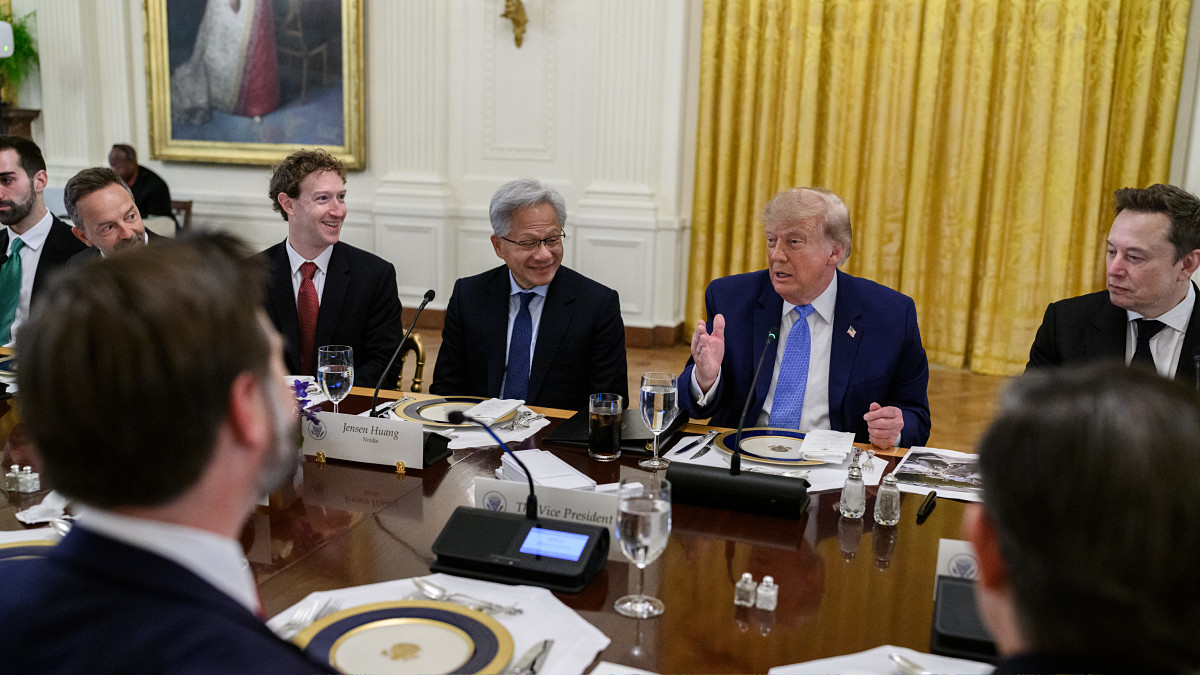
At a White House meeting on September 30, 2026, President Donald Trump, Google's Sundar Pichai, Anthropic's Da…
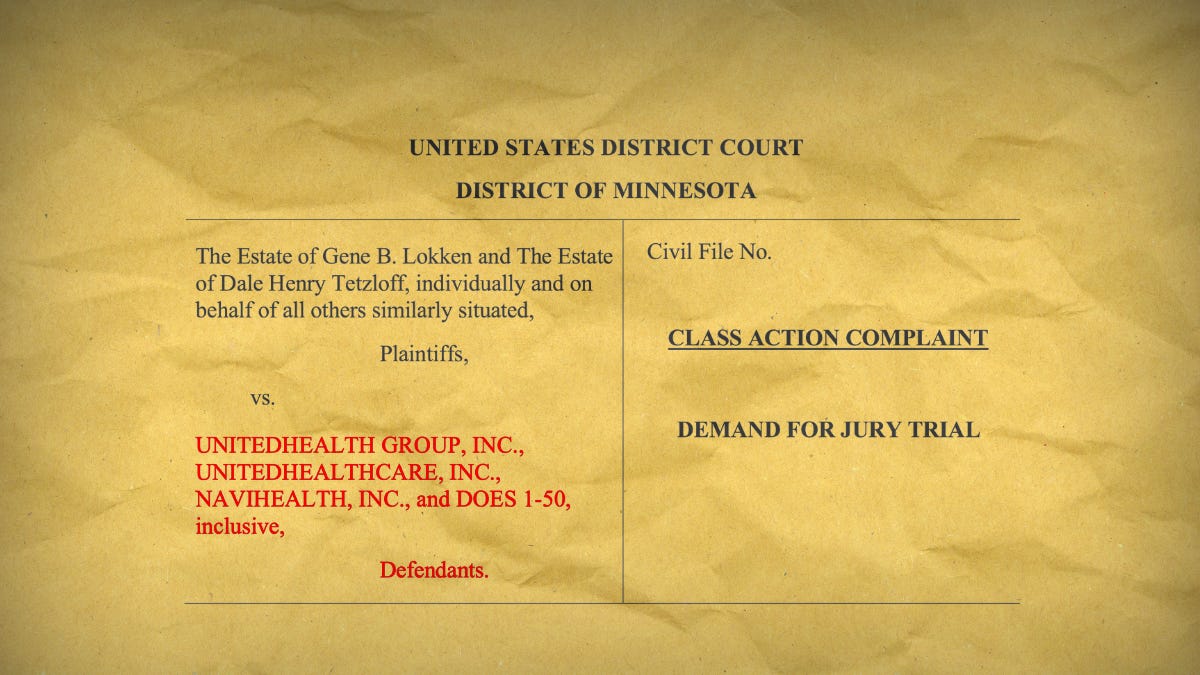
The Estate of Gene B. Lokken v
The Medical Device and Diagnostic industry is navigating regulatory changes as AI moves from screen to surgica…

HPE Labs director Andrew Wheeler told theCUBE that sovereignty now joins AI and quantum as the questions he ge…