What happened
The Tokyo District Court dismissed Kenjiro Tsuda's demand that TikTok remove AI voice-clone videos, citing prior deletion. Judge Aya Takahashi recognized voice as a protected publicity right.
Why it matters
The ruling sets a precedent that voice can be protected under publicity rights even when the specific removal demand fails.
What to watch
Whether future cases proceed when videos remain online, and how the Justice Ministry's August guidelines on voice rights are applied.
WHO IT HITSThis ruling affects voice actors, singers, and other performers whose voices may be cloned by AI, as well as platform operators like TikTok that host user-generated content.
Summaries like this, in your inbox every morning.
The case is the first in Japan filed over a "voice rights" infringement using generative AI, reflecting growing global concern about unauthorized voice imitation. Kenjiro Tsuda, known for roles in franchises including "Jujutsu Kaisen," sued TikTok in November over 188 videos that his team said used AI to imitate his distinctive "deep and lustrous" voice. The platform argued the voice was generic and the account had been deleted.
The court's recognition of voice as a publicity right aligns with the Justice Ministry's August guidelines stating voices should be protected like images. However, the dismissal on procedural grounds leaves unresolved how such rights will be enforced when content remains online. The outcome may hinge on whether future plaintiffs can show ongoing harm from AI voice clones that platforms have not removed.
Pick your industry and the AI tools you use, and get news related to your work every day.
Free · 30 seconds with Google · unsubscribe anytimeWhat is AIToday? →
Ask AI anything about this article. The AI reads this article, earlier AIToday articles, and Wikipedia, and cites its sources. Q&As are published on this page for other readers too.
McDonald’s is increasingly using AI to guide menu prices in the U.S

Trump signed an executive order on September 30, 2026 requiring federal agencies to use "superintelligence" an…
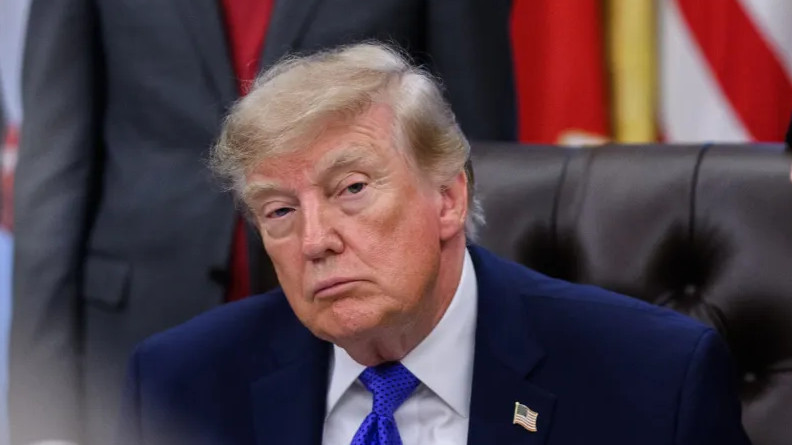
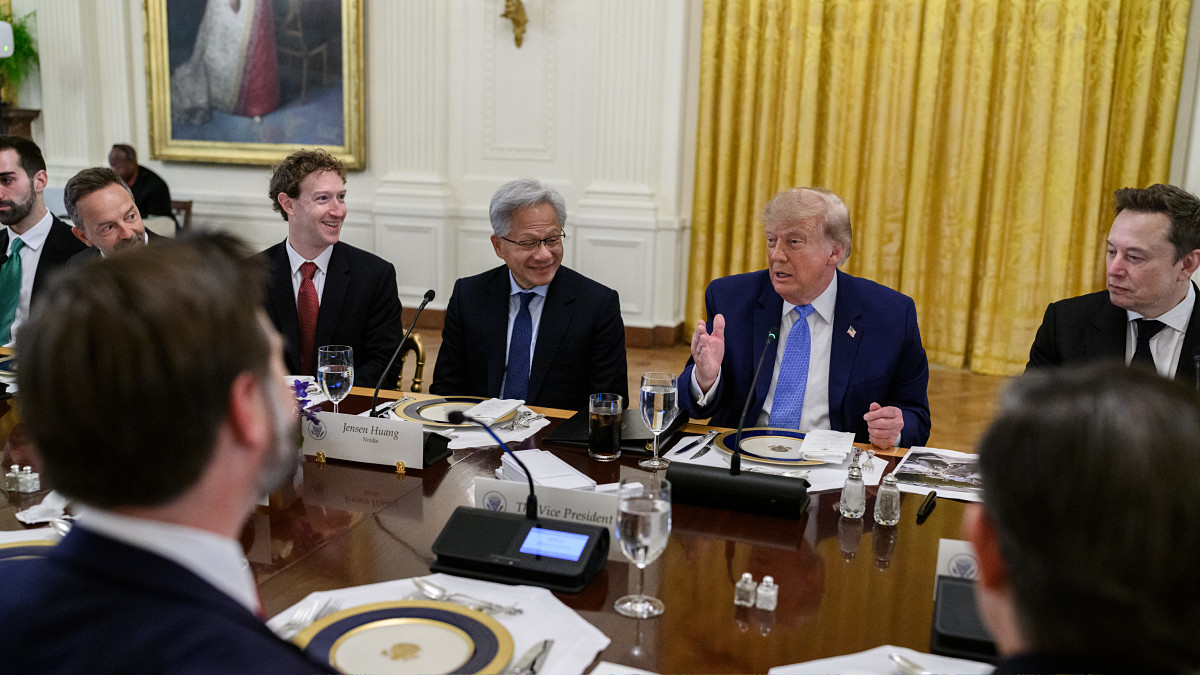
At a White House meeting on September 30, 2026, President Donald Trump, Google's Sundar Pichai, Anthropic's Da…
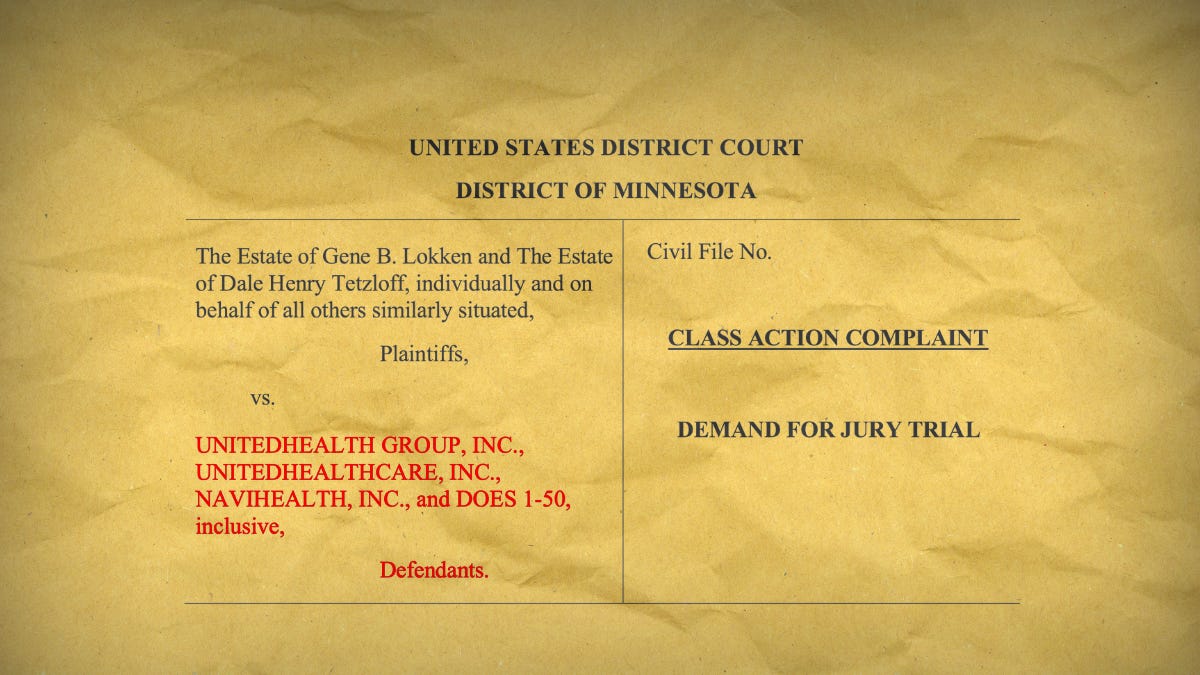
The Estate of Gene B. Lokken v
The Medical Device and Diagnostic industry is navigating regulatory changes as AI moves from screen to surgica…

HPE Labs director Andrew Wheeler told theCUBE that sovereignty now joins AI and quantum as the questions he ge…