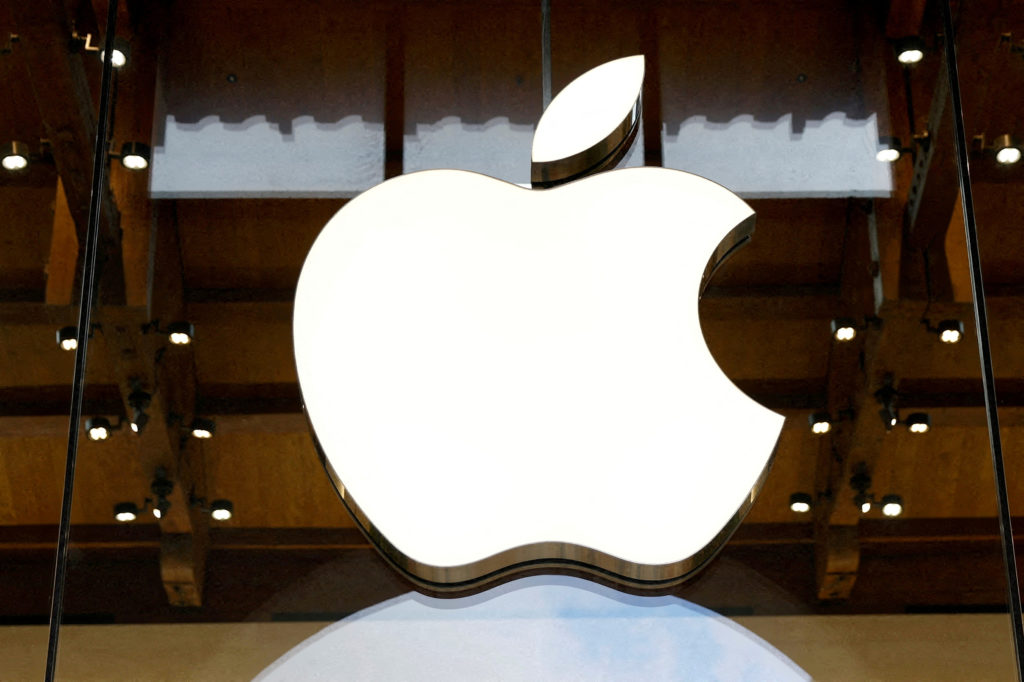
Apple has sued OpenAI, claiming the AI company stole trade secrets from former Apple employees to build its own hardware device. The lawsuit names two ex-Apple engineers now at OpenAI and alleges they accessed confidential hardware files after leaving. The dispute marks a sharp turn from Apple and OpenAI's 2024 partnership to integrate ChatGPT into iPhones, and comes as OpenAI plans to release consumer hardware by year-end.
Summaries like this, in your inbox every morning.
Sign up free →What happened
Apple filed a lawsuit in California federal court accusing OpenAI of encouraging former Apple employees to share confidential information and stealing trade secrets to support OpenAI's nascent hardware business. Two former Apple employees named as defendants are Tang Tan, now OpenAI's chief hardware officer, and Chang Liu, a former electrical engineer. Apple alleges both accessed confidential hardware-related files after leaving the company.
Why it matters
Apple and OpenAI partnered in 2024 to integrate ChatGPT into iPhones, but the relationship has shifted toward rivalry as OpenAI pursues a physical AI device alongside recruiting Apple talent. The lawsuit suggests OpenAI may be building its hardware effort partly on knowledge obtained improperly, which undercuts the legitimacy of that business line if the claims hold. For Apple, it signals the company is willing to pursue aggressive legal action to protect product development secrets as competition in AI hardware intensifies.
What to watch
OpenAI CFO Sarah Friar stated in April that the company plans to release "consumer hardware that will come towards the end of this year." Apple reached out to OpenAI in February about its concerns, but said OpenAI did not respond. The lawsuit also names io Products, the company OpenAI acquired for nearly $6.5 billion(約1兆円) to work with designer Jony Ive on the hardware project, as a defendant.
Apple's lawsuit marks a stark reversal in its relationship with OpenAI. The two companies partnered in 2024 to integrate ChatGPT as an AI-powered "answer engine" on the iPhone when Siri could not meet user needs—a move that reflected Apple's effort to catch up in an AI race it had fallen behind in. That partnership has now deteriorated into litigation as OpenAI has pursued a hardware business, recruiting key Apple designers and engineers including Jony Ive, and acquiring io Products in a deal valued at nearly $6.5 billion(約1兆円).
The lawsuit centers on whether OpenAI systematically obtained Apple's confidential information through departing employees, particularly regarding hardware design and product development. Apple claims to have uncovered "a pattern of theft" when investigating whether its confidential information was compromised. The allegations are specific: Chang Liu, an electrical engineer, allegedly kept an Apple-issued device and accessed hardware files after leaving; Tang Tan allegedly directed candidates to bring physical parts to interviews. Apple's assertion that it raised these concerns with OpenAI in February—and that OpenAI did not respond—may become central to questions about how seriously the AI company took the warning.
The timing is significant. OpenAI has been exploring a potential public offering and faces intensifying competition from rivals including Anthropic and Google. The company winnowed down some business ventures earlier this year to focus on ChatGPT, yet has continued pursuing consumer hardware set to launch by year-end. If Apple's allegations gain traction in court, they may cast doubt on the legitimacy and freedom-to-operate of OpenAI's hardware initiative at a critical moment for the company's growth narrative.
No comments yet. Be the first to share your thoughts!
Log in to join the discussion


Get curated AI news from 200+ sources delivered daily to your inbox. Free to use.
Get Started FreeFree · takes 30 seconds · unsubscribe anytime
1 minute a day. The AI essentials.
200+ sources · Email / LINE / Slack
