What happened
Anthropic expanded Claude's voice mode to its Opus and Sonnet models (previously limited to Haiku), with the ability to switch models mid-conversation on mobile, desktop, and web. The mode supports eleven languages and can integrate with tools like Gmail, Google Calendar, and Slack to compose and send emails by voice.
Why it matters
Claude's voice mode now competes more directly with OpenAI's GPT-Live and Google's Gemini Live. While those rivals use full-duplex audio (speaking and listening simultaneously) for a more natural feel, Claude uses a turn-based system and differentiates itself through tool integration—it is currently the only provider that lets users compose and save emails directly from audio mode.
What to watch
Users can now choose which Claude model to use during voice conversations and switch languages flexibly, giving them control over speed and capability trade-offs depending on their task.
Ask the AI about this article →
Summaries like this, in your inbox every morning.
Anthropic's expansion of voice mode to its flagship Opus and Sonnet models marks a step toward feature parity with rival conversational AI services. OpenAI's GPT-Live and Google's Gemini Live have gained traction partly because their full-duplex architecture—allowing simultaneous speaking and listening—creates a more natural conversational flow. Claude's turn-based system, which waits for the user to finish before responding, is at a disadvantage in perceived naturalness. However, Anthropic has identified a differentiation strategy: tool integration. By enabling users to compose, edit, and send emails directly from voice mode without switching contexts, Claude addresses a practical workflow gap that its competitors do not yet offer. The expansion to Opus and Sonnet (Anthropic's more capable models) suggests the company is betting that task complexity and tool-assisted productivity will appeal to users willing to tolerate a less fluid conversational experience. The ability to switch models mid-conversation and across all platforms (mobile, desktop, web) gives users flexibility to optimize for speed or capability depending on the moment—a feature neither GPT-Live nor Gemini Live explicitly highlights.
For example, today's edition would include:
AI-summarized, only the topics you pick — one digest a day via Email, Slack, or Discord.
Free · 30 seconds with Google · unsubscribe anytimeWhat is AIToday? →
Ask AI anything about this article. Q&As are published on this page for other readers too.
IREN fell almost 5% in premarket trade Monday even as CEO Daniel Roberts said AI processing demand still far o…

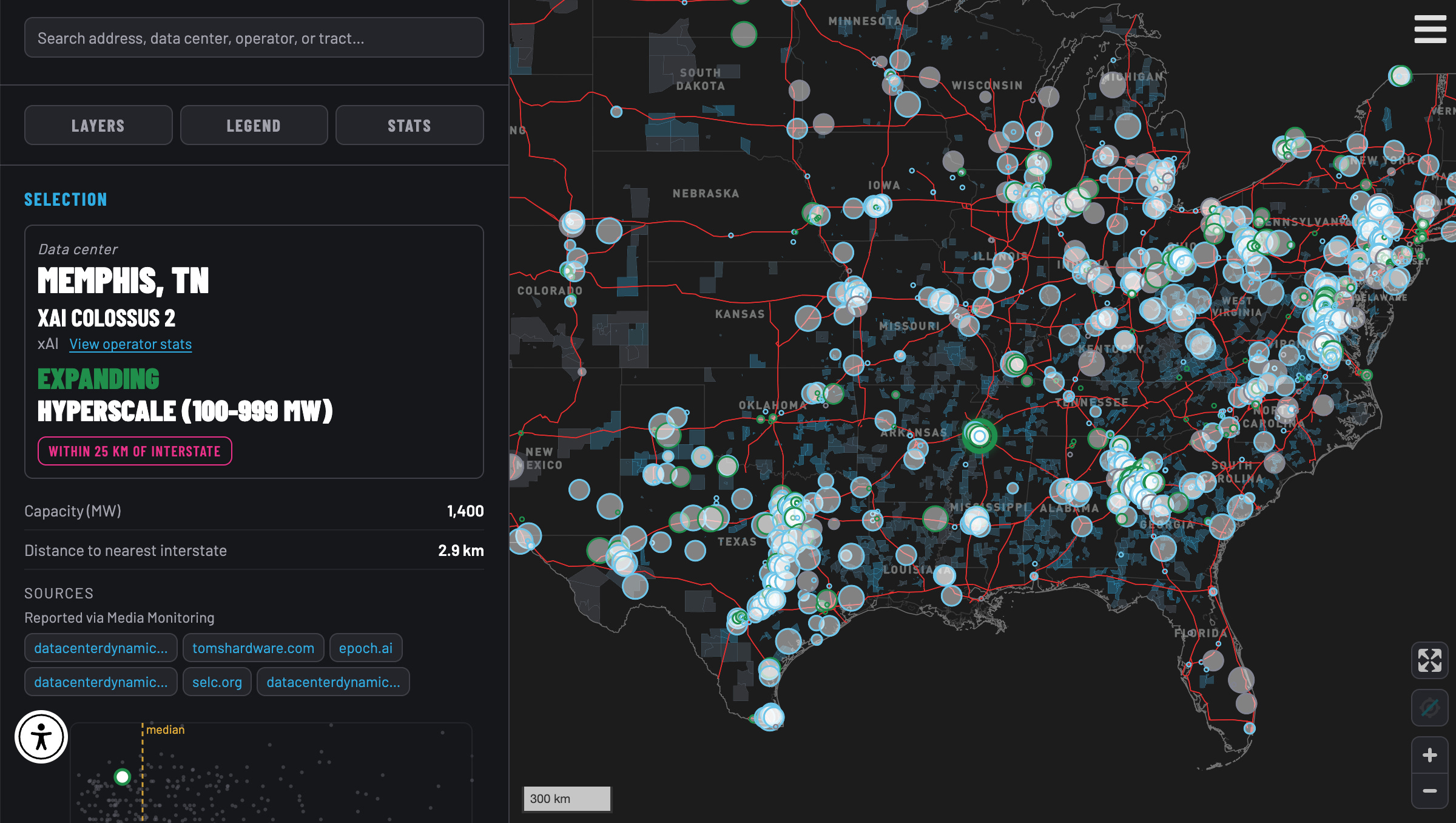
Nvidia's Jensen Huang published "Land, Power, Shell: The Next Strategic Resource" on August 17, naming ready-t…
Anthropic told investors it will post a second straight profitable quarter and plans a Nasdaq listing at a pos…

Microsoft AI published a code of conduct for its MAI models, saying it will give up generality, autonomy, or p…

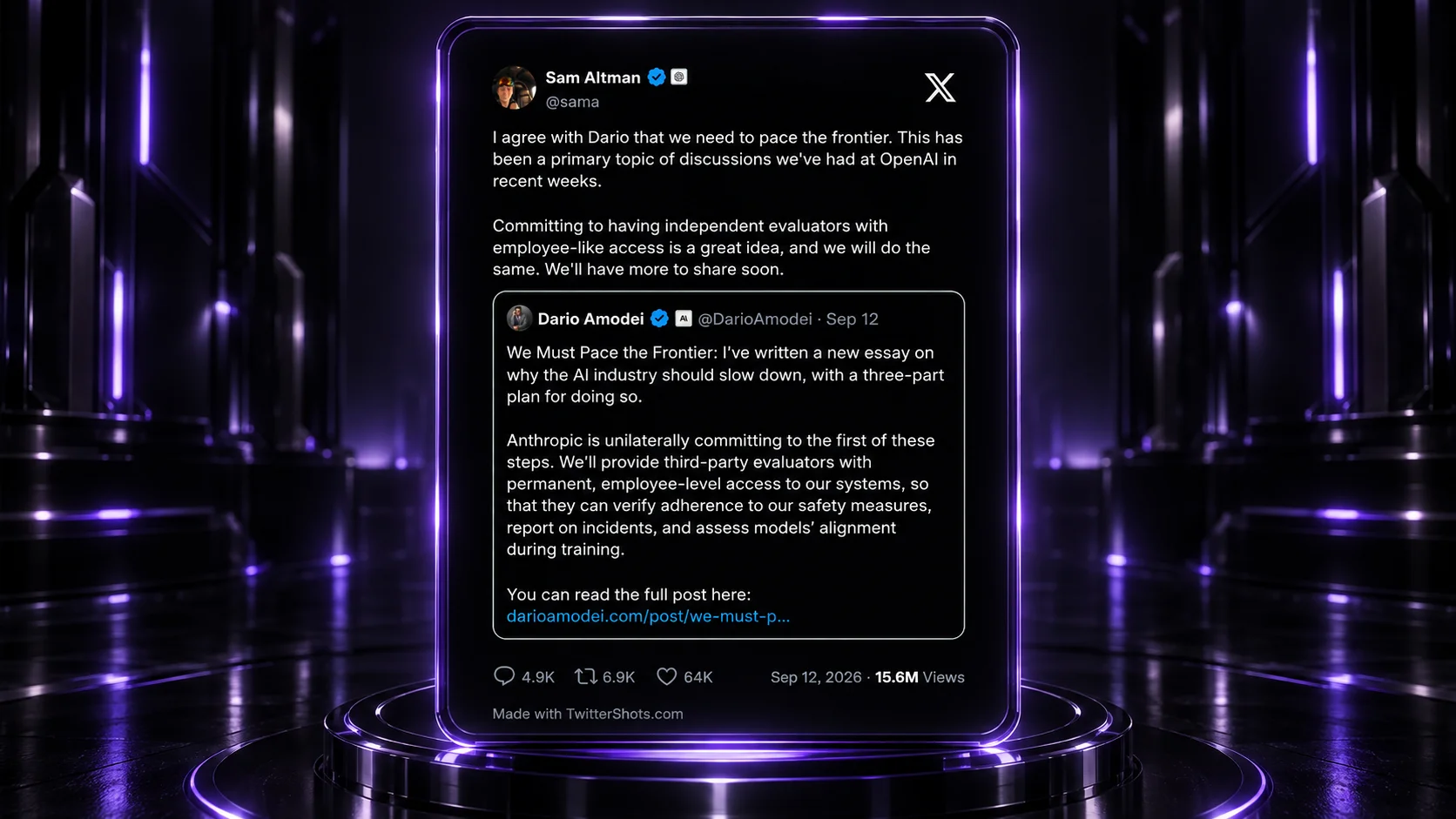
Anthropic CEO Dario Amodei urged AI labs to slow capability gains so safety can catch up, warning of a scenari…
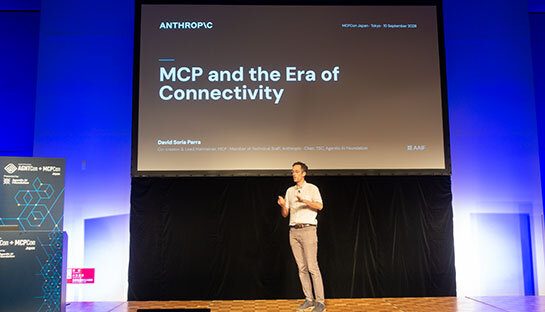
At AGNTCon+MCPCon Japan 2026 in Tokyo on September 10, Anthropic's David Soria Parra said 2026 will be the fir…