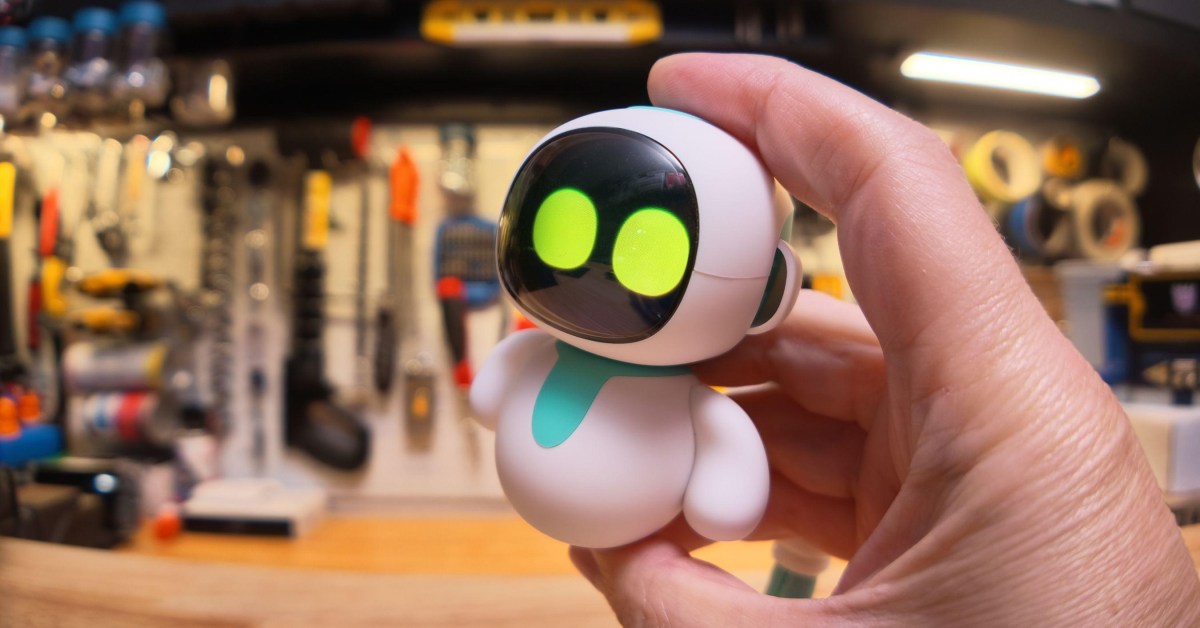
What happened
The U.S. power and grid value chain will need about 500,000 additional workers by 2030, according to a recent Goldman Sachs report. The energy apprenticeship pipeline had only 45,000 entrants in 2024 but needs 65,000 professionals annually to close the labor gap.
Why it matters
The jobs often require three to four years of training, creating a years-long skilling bottleneck. Goldman Sachs projects the humanoid robot market will grow from 20,000 units in 2025 to 1.4 million in 2035, a 6,900% increase, as one solution to the labor shortage.
What to watch
China is already deploying robots in energy roles — a $1 billion initiative through the State Grid Corporation aims to get about 8,500 AI-powered robots for grid inspection and maintenance. Widespread commercial deployment of humanoids is expected between 2027 and 2029.
Summaries like this, in your inbox every morning.
The report highlights a fundamental timing problem: capital is being committed to energy infrastructure faster than workers can be trained. With three to four years required for training, the gap between current apprenticeship entrants (45,000) and the needed 65,000 per year is structural, not temporary. This is why physical AI, including humanoid robots, has become a focal point — Goldman Sachs notes that interest in such technology is centered on the need for labor.
China appears further along in deployment. In 2022, a robot repaired power lines in Wuhan province, and humanoid helpers have taken over inspection duties at a power facility in Guangzhou. The State Grid's $1 billion initiative for 8,500 AI-powered robots shows state-backed momentum. Meanwhile, U.S. adoption faces challenges: private equity and banks lack historical financial data to invest confidently in robot projects, and companies are still figuring out how to use humanoids at scale.
The stakes are high because energy jobs offer solid pay without requiring a costly degree — power plant operators earn around $103,600 annually, and traditional fuel production averages $65,400. If human workers can't fill roles, robots may become the practical alternative, though experts like Barclays' Zornitza Todorova suggest the technology is still maturing for services-oriented roles. Nvidia CEO Jensen Huang echoes that the true unlock remains years away.
Pick your industry and the AI tools you use, and get news related to your work every day.
Free · 30 seconds with Google · unsubscribe anytimeWhat is AIToday? →
Ask AI anything about this article. The AI reads this article, earlier AIToday articles, and Wikipedia, and cites its sources. Q&As are published on this page for other readers too.
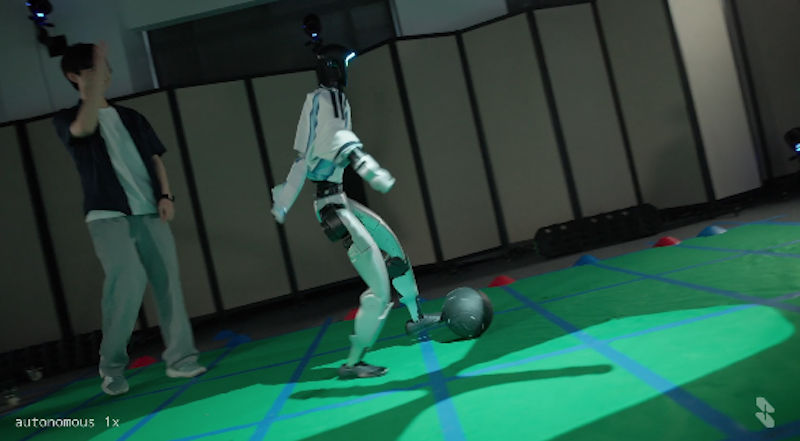
Skild AI used Nvidia Isaac Sim to give its S1 model one objective — score a goal — and let it compete against…
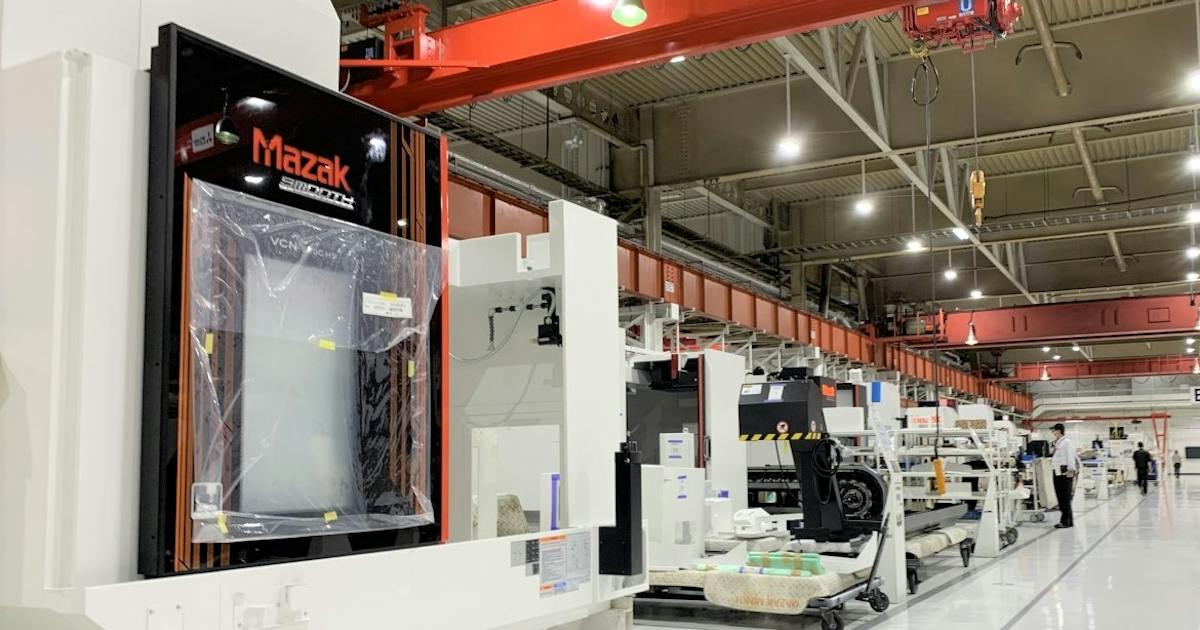
Yamazaki Mazak and ABEJA said on the 16th they will start joint development of physical AI, using ABEJA's ABEJ…
Toyota Motor's Japan Mobility Show Bizweek 2026 booth centers on its AI basketball robot CUE7, has no other ex…
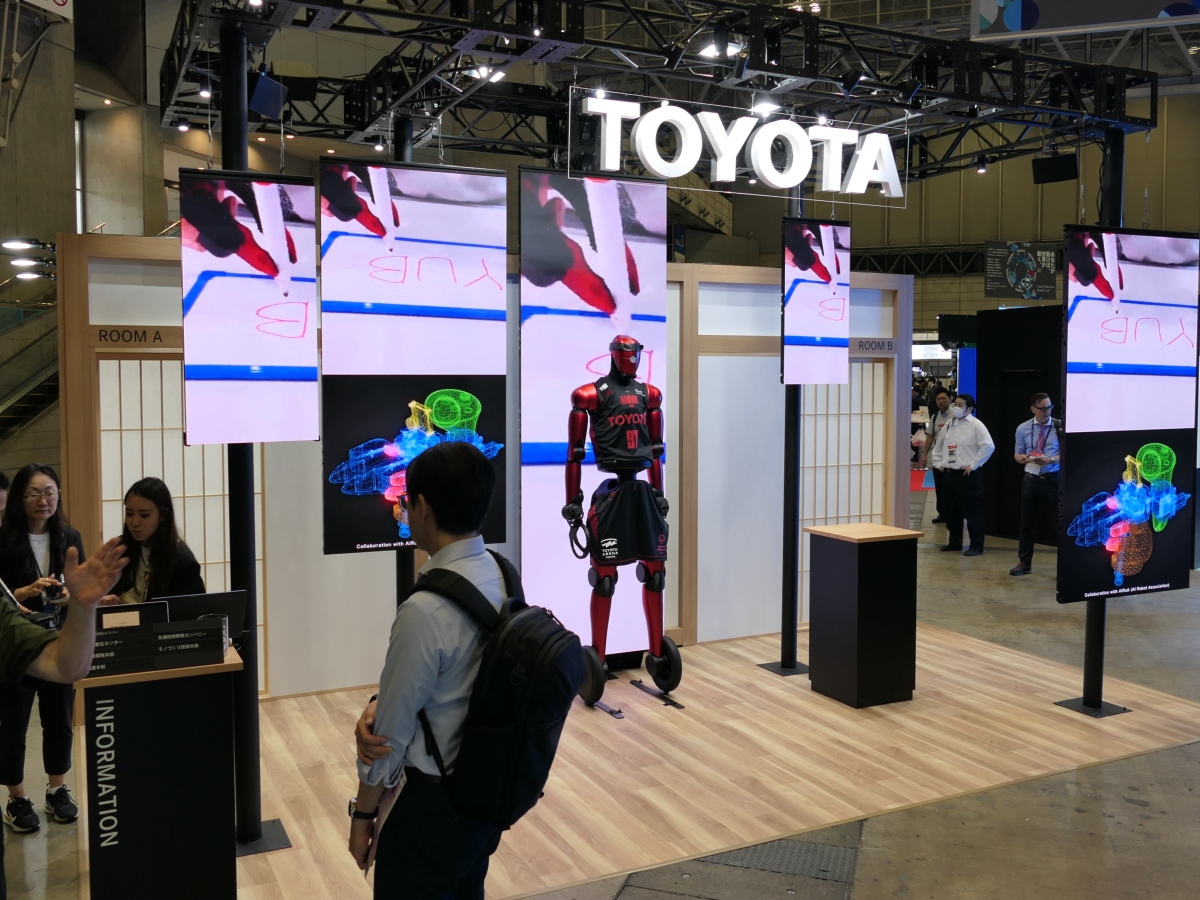
Japan Mobility Show Bizweek 2026 showcased Physical AI applications, including Toyota's basketball-playing rob…
Google pitched Gemini 4 Argon as one model for robot control, simulation and training-data review, saying it s…
Researcher Sammy Azdoufal discovered Energize Lab's Eiliko robot stores 13 million conversations from 68,000 t…