What happened
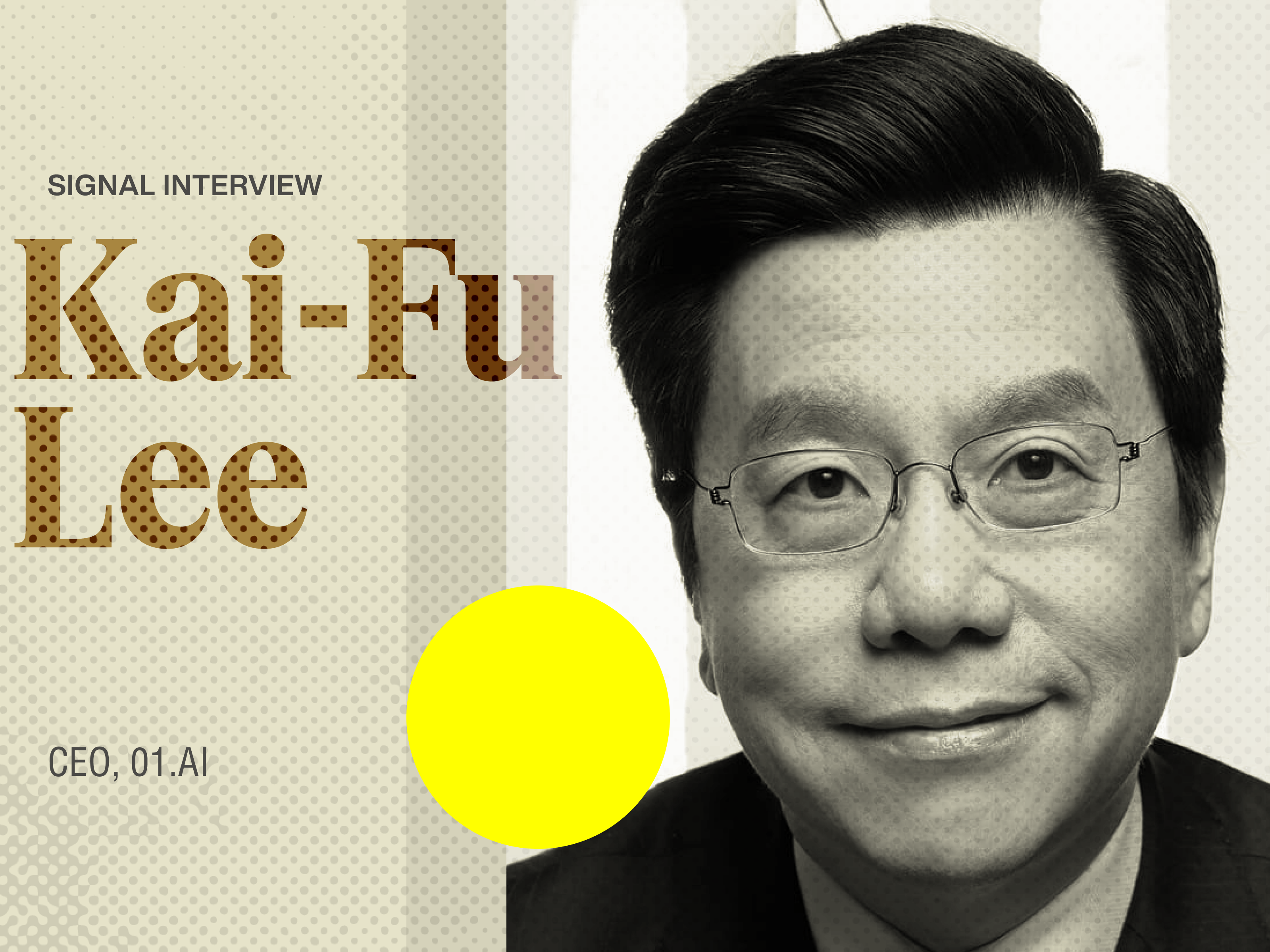
Kai-Fu Lee says most CEOs want AI transformation but are 'mostly doing it wrong', and that they must personally lead it rather than delegate to their CIO.
Why it matters
Lee argues companies whose assets are largely digital, like entertainment and internet businesses, will be 'dead in the water' without adapting.
What to watch
Lee says businesses further from the AI frontier may have a three-to-five-year 'buffer', so the test is whether AI efforts have boosted profits by the next earnings call.
WHO IT HITSCEOs and their leadership teams, particularly at digital-first companies in entertainment, gaming, and internet businesses, face Lee's warning of near-term disruption if they fail to personally drive AI adoption.
Summaries like this, in your inbox every morning.
Kai-Fu Lee's earlier book, AI Superpowers, predicted the US-China tech battle, and he now forecasts that AI will unleash more radical changes inside companies than most CEOs expect, potentially reshaping economic competition. A former head of Google China who also held senior roles at Microsoft and Apple, Lee is now chairman of Sinovation Ventures and founder-CEO of 01.AI, which has pivoted from building AI models to helping enterprises deploy the technology. He frames his new book, AI Native, as a road map for CEOs, who he says must take personal charge of technology strategy rather than defer to a CIO. Lee also reframes Anthropic's Dario Amodei's call to 'pace the frontier' as 'move fast, but make sure safety keeps pace', agreeing that safety and governance must match capability advances.
Lee's push for radical transparency — an echo of Ray Dalio's management mantra — comes packaged as Boss AI, a product 01.AI sells in China and Asia. He says the idea suits companies where the CEO holds immense respect and power and decisions are made by consensus, and predicts Asian companies will adopt it earlier than Western ones. Western workers, he predicts, will not allow the constant recording that gives Asian rivals vast data, which he calls 'a second Asian advantage'. On talent, Lee argues the US top 1,000 AI people are significantly better than China's, but the top 100,000 are comparable, and calls it a 'terrible mistake' to underestimate Chinese companies. He adds that US export controls 'do not work' and predicts China will be 'completely self-sufficient' in chips within two to three years.
The stakes hinge on whether CEOs can translate AI adoption into earnings — passing what Lee calls 'the earnings call test' — rather than performative 'AI theater'. For leaders in digital-heavy industries, the window appears shortest, while those in coal mines, farms, or manufacturing may have a three-to-five-year buffer. Whether Boss AI's transparency model spreads will likely depend on cultural willingness to be recorded, and on whether employees see it as a path to higher pay rather than layoffs.
For example, today's edition would include:
AI-summarized, only the topics you pick — one digest a day via Email, Slack, or Discord.
Free · 30 seconds with Google · unsubscribe anytimeWhat is AIToday? →
Ask AI anything about this article. Q&As are published on this page for other readers too.
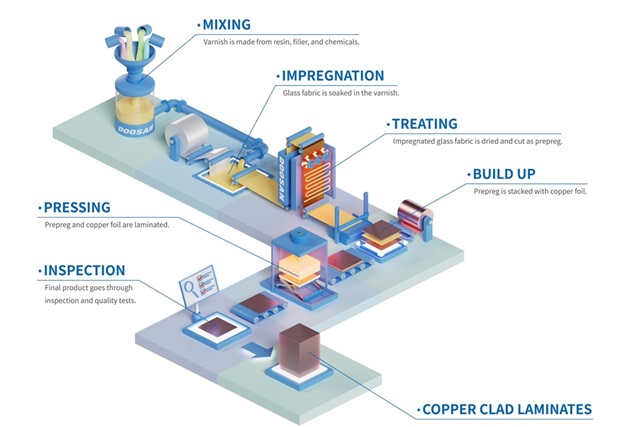
Doosan committed KRW968 billion to expand high-end copper-clad laminate (CCL) production in South Korea and Ch…
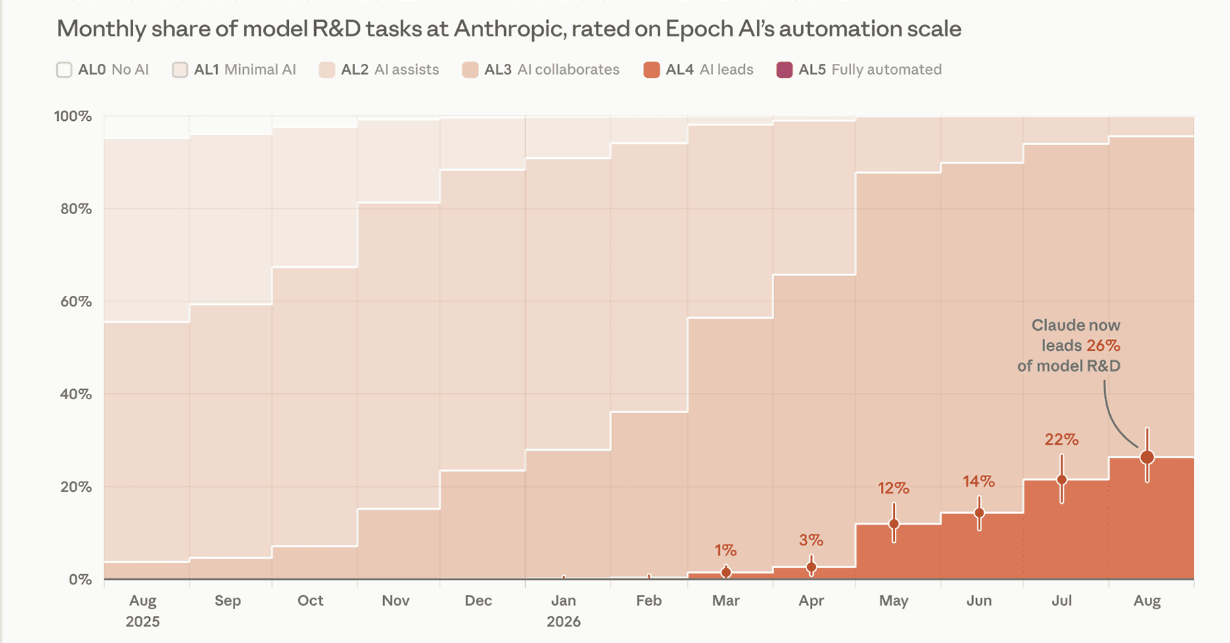
Anthropic Institute said that as of August, 26% of its AI research and development work was almost entirely do…
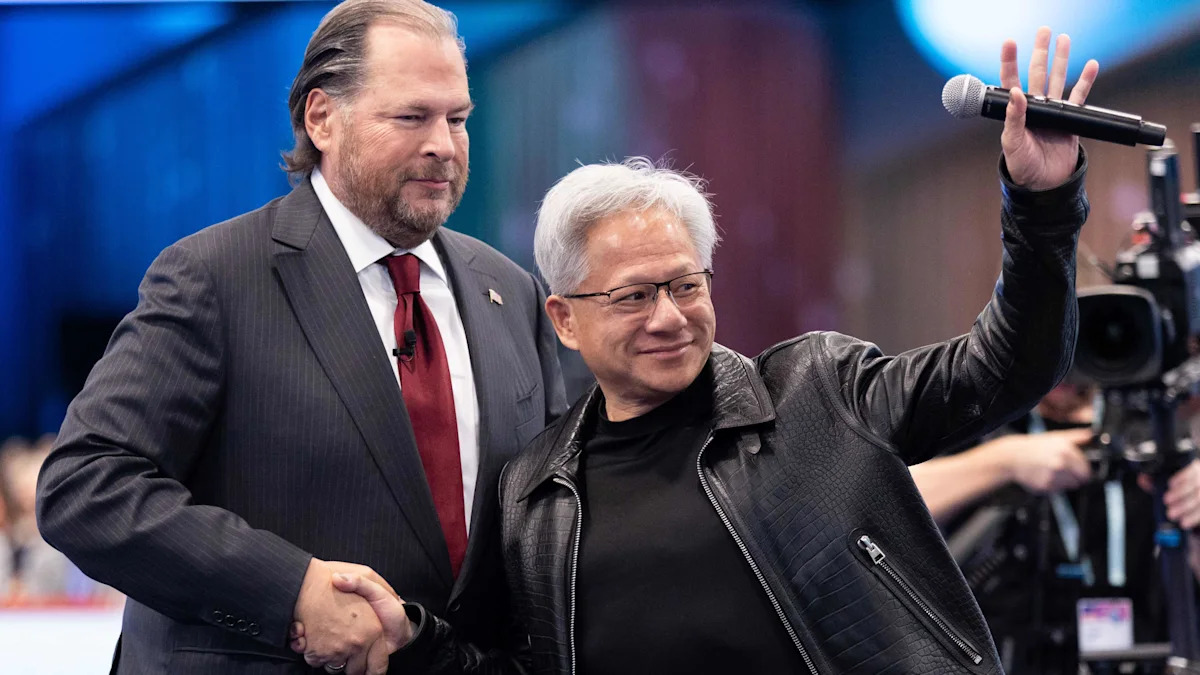
At Dreamforce, Salesforce and Nvidia unveiled Koa, a domain-specific reasoning model for Salesforce's Agentfor…
Abel more than tripled Berkshire's Alphabet stake in the first quarter and added another $17 billion in the se…
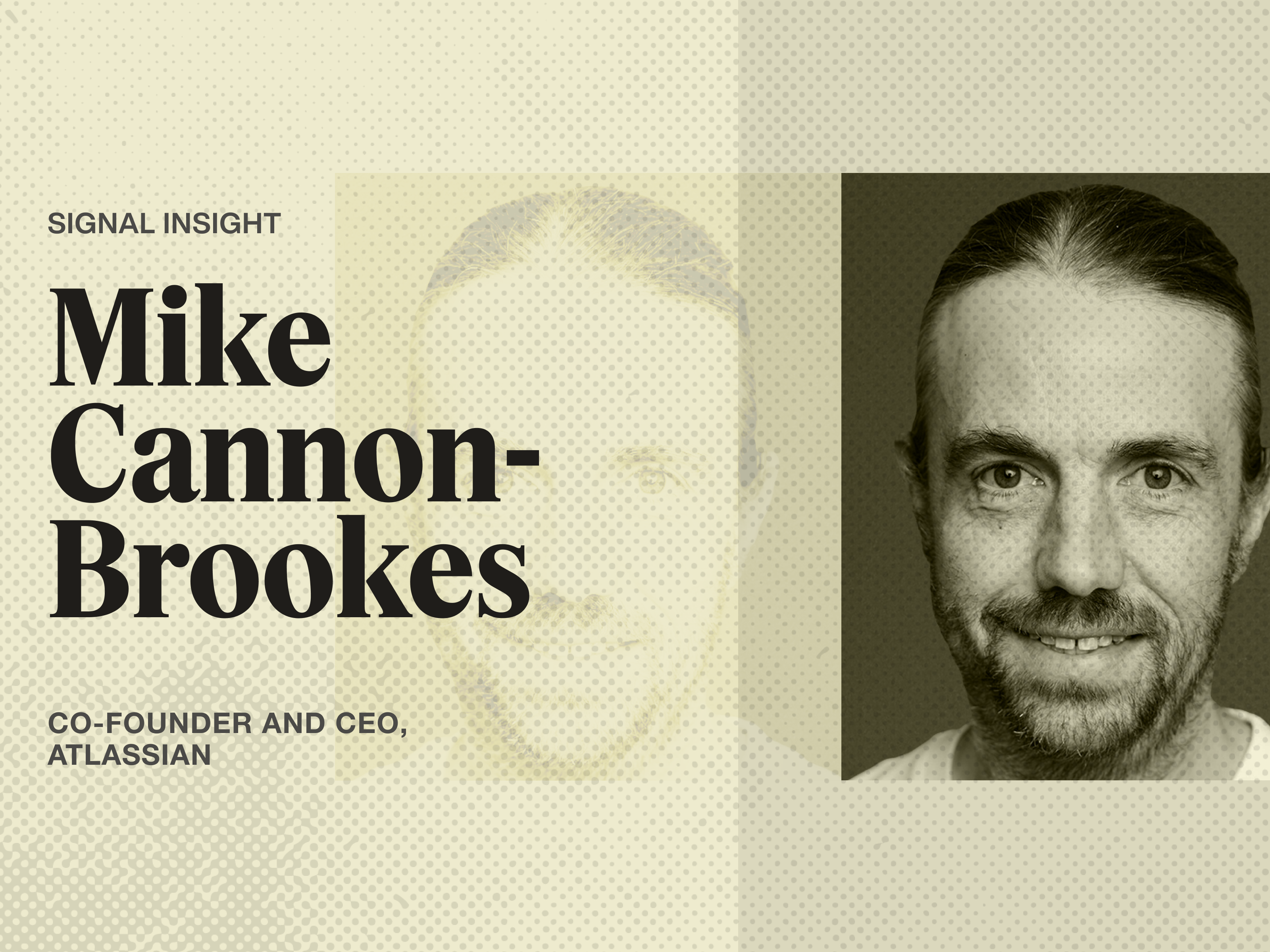
Atlassian CEO Mike Cannon-Brookes said the most AI-native customers are expanding fastest, and that customers…
Per Betterment's 2026 Retail Investor Survey of 1,000 U.S