What happened
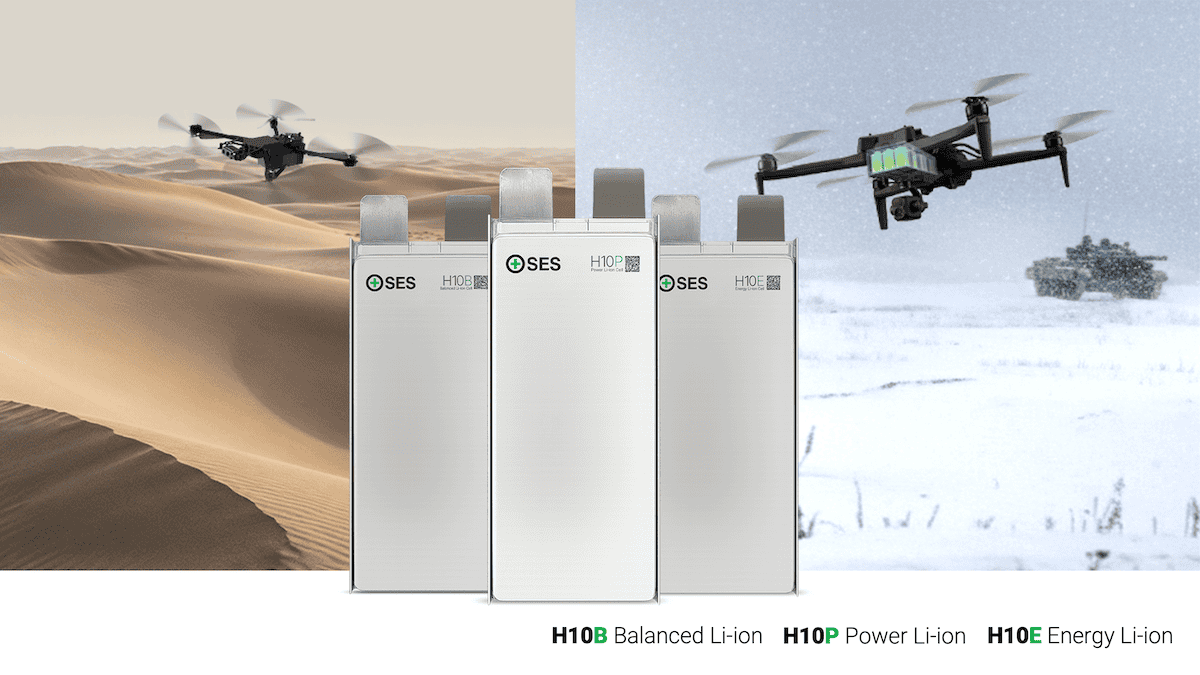
SES.AI, a Massachusetts-based battery maker, has used AI to map approximately 100 million possible molecules for battery development (a process that would have taken thousands of years without AI, now completed in about a year), and operates manufacturing capacity in South Korea with plans to expand in Japan and Malaysia to serve U.S. drone makers seeking alternatives to Chinese components.
Why it matters
U.S. drone manufacturers face an urgent supply-chain problem—federal policy now restricts Chinese components, but American factories cannot yet produce the batteries and critical parts needed at scale. SES.AI's work illustrates a deeper challenge: building not just assembly plants, but entire ecosystems of experienced workers, suppliers, and specialized manufacturing. The company's higher energy-density batteries could allow drones to fly twice as far or carry double the payload at the same weight, making the sourcing shift both feasible and valuable.
What to watch
SES.AI currently produces about one million cells annually from its Chungju facility but says potential demand is almost 100× that, revealing a massive capacity gap. The company is now exploring additional production in Japan and Malaysia. For U.S. drone makers, the bottleneck is no longer aircraft design but the speed and scale at which suppliers can deliver compliant components.
Summaries like this, in your inbox every morning.
The U.S. drone industry faces a supply-chain crisis that policy alone cannot solve. Federal restrictions on Chinese components have created urgent demand for alternatives, but as CEO Qichao Hu explains, that demand cannot be met by simply opening assembly factories. The battery industry lost its manufacturing base in the U.S. decades ago as production migrated first to Japan, then South Korea, and finally China. Rebuilding requires not just capital but an entire ecosystem of experienced workers, materials suppliers, equipment makers, and specialized knowledge—a network that takes far longer to recreate than a factory.
SES.AI's journey illustrates how this gap is being addressed. The company's detour into electric-vehicle manufacturing proved valuable, imposing manufacturing standards (more than 3,000 quality checkpoints per cell, compared with about 400 for drones) that have now been brought back to aviation. Its partnership with GM Defense drove capacity development in South Korea, and its use of AI to map a "Molecular Universe" of battery materials compressed what would be centuries of traditional research into a single year. Yet even with these advances, the company produces only about one million cells annually while potential demand is almost 100× that. The gap reveals the real bottleneck: not innovation or design, but the time and capital required to build manufacturing capacity at the scale the drone industry will need.
Pick your industry and the AI tools you use, and get news related to your work every day.
Free · 30 seconds with Google · unsubscribe anytimeWhat is AIToday? →
Ask AI anything about this article. The AI reads this article, earlier AIToday articles, and Wikipedia, and cites its sources. Q&As are published on this page for other readers too.
Skild AI used Nvidia Isaac Sim to give its S1 model one objective — score a goal — and let it compete against…
Yamazaki Mazak and ABEJA said on the 16th they will start joint development of physical AI, using ABEJA's ABEJ…
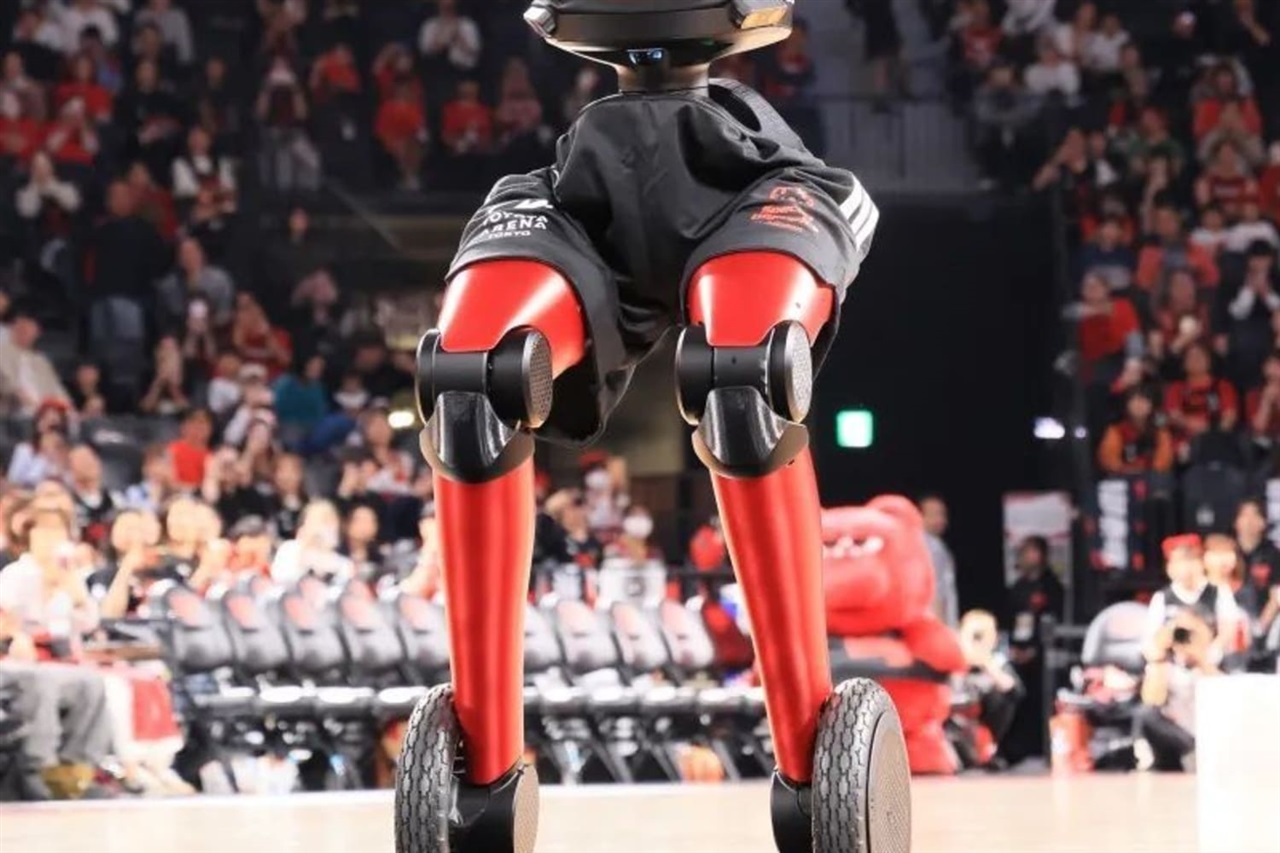
Toyota Motor's Japan Mobility Show Bizweek 2026 booth centers on its AI basketball robot CUE7, has no other ex…
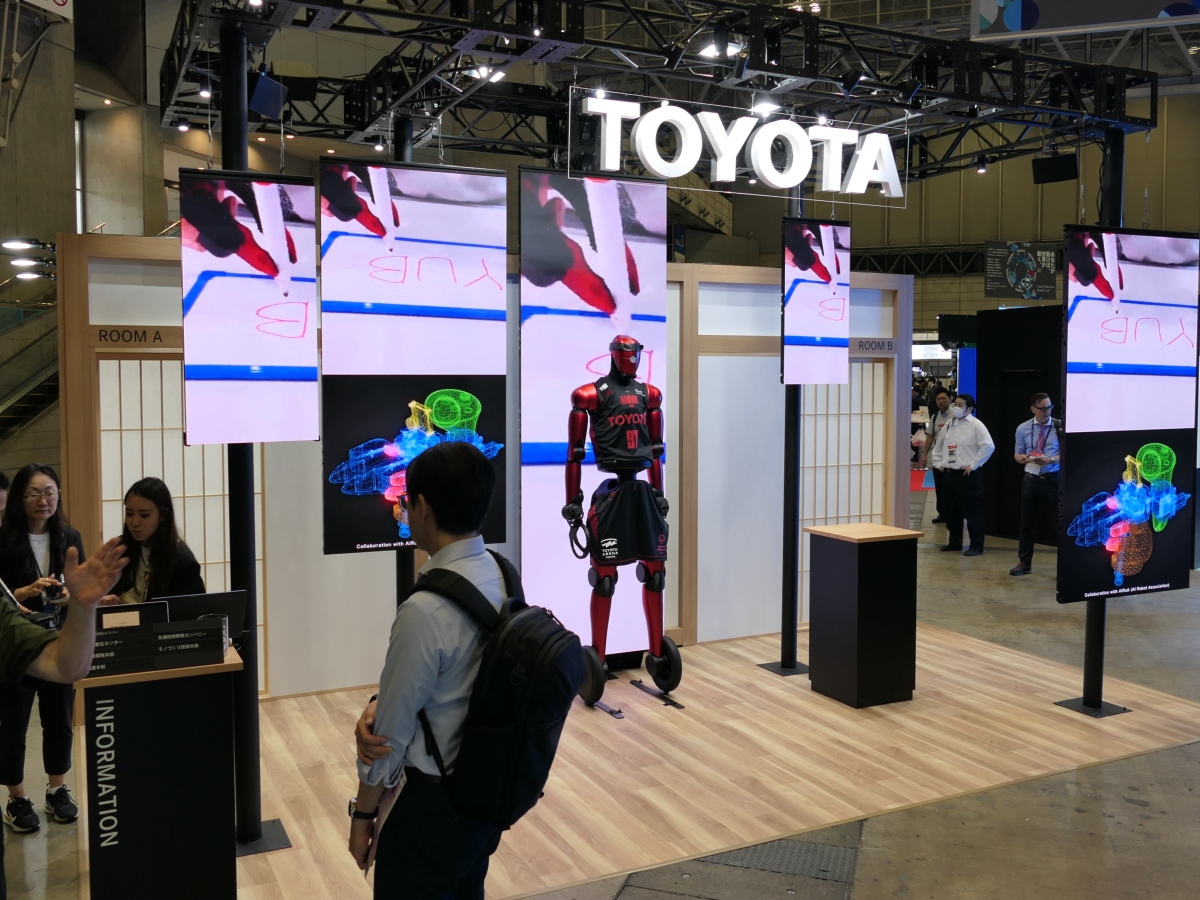
Japan Mobility Show Bizweek 2026 showcased Physical AI applications, including Toyota's basketball-playing rob…
Google pitched Gemini 4 Argon as one model for robot control, simulation and training-data review, saying it s…
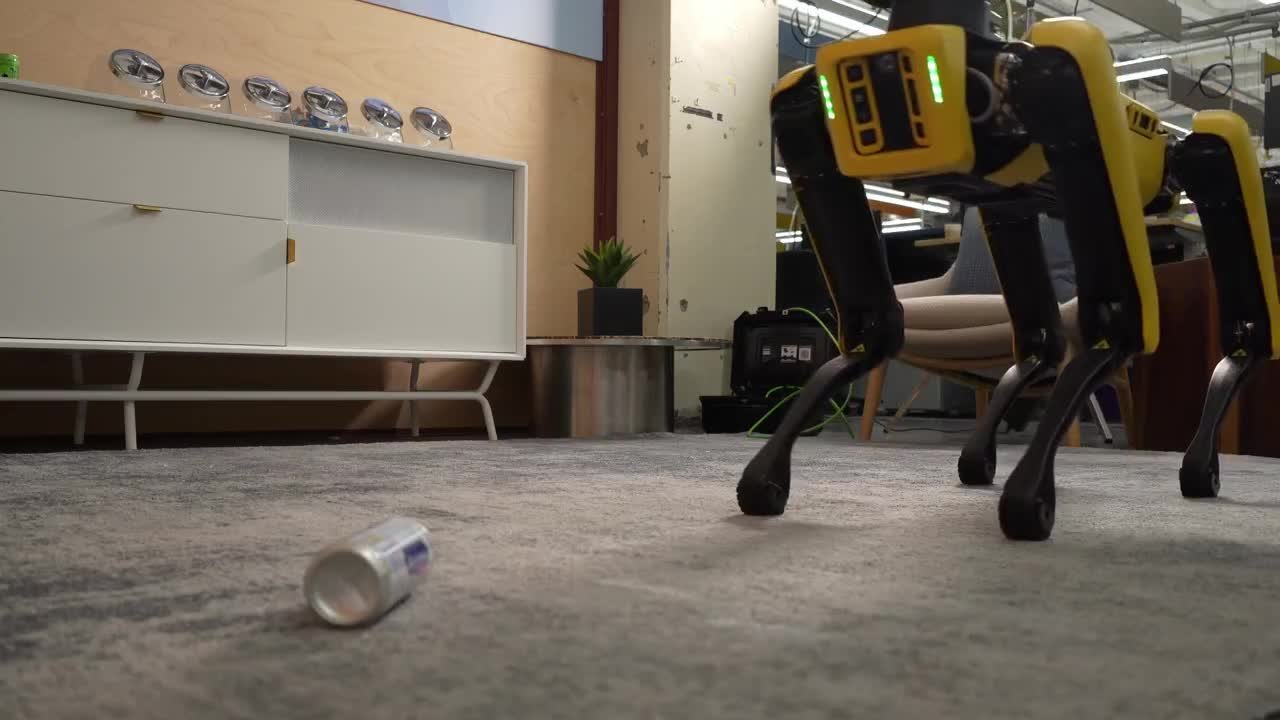
Researcher Sammy Azdoufal discovered Energize Lab's Eiliko robot stores 13 million conversations from 68,000 t…