
What happened
Meta's personal AI agent Muse reached nearly 600,000 downloads in its first five days, according to SensorTower. It is now #1 in the App Store, topping ChatGPT, and Meta launched Muse for Mac on Thursday.
Why it matters
Muse's early adoption mirrors ChatGPT's breakout, signaling Meta may finally have a consumer AI hit after years of costly experiments like the metaverse, potentially diversifying revenue beyond advertising.
What to watch
Privacy concerns have been raised by some observers, and it remains to be seen whether Muse can sustain its adoption curve. Watch the $20 to $100 per month premium pricing and whether advertising is added to the free tier.
WHO IT HITSMeta's advertising and product teams, as well as investors, will be watching whether Muse can become a durable revenue stream beyond ads. Competing AI assistant makers may face pressure to match its agentic capabilities.
Summaries like this, in your inbox every morning.
Meta has spent years and tens of billions of dollars trying to find a breakout product beyond advertising. Its Reality Labs metaverse push and smart glasses efforts have yet to gain significant traction, and Wall Street has long applied a discount to Meta's stock because of its reliance on ads and failed diversification attempts. The launch of Muse, a personal AI agent that can perform tasks like sending emails, booking travel, and filling out forms, appears to be a turning point. Meta's efforts in Superintelligence and its acquisition of Scale AI to bring on founder Alexandr Wang now seem to be paying off.
The early numbers are striking: nearly 600,000 downloads in five days, a #1 App Store ranking ahead of ChatGPT, and a 6.6% stock jump on Sept. 9. Muse operates on a freemium model, free for basic tasks and charging $20 to $100 per month for premium tiers, and Meta could later add advertising to the free tier, as ChatGPT has begun doing. Social media reviews calling the agent "incredibly good" and "insanely good" at computer use suggest strong product-market fit, though privacy concerns have been raised.
To become a true game changer, Muse must sustain its adoption curve and prove it can generate meaningful revenue beyond advertising. If it does, Meta may finally answer Wall Street's biggest question about its growth story, and the stock could re-rate higher, much as Alphabet's did after Google Gemini's success. The test is whether Muse establishes itself as the leading personal AI agent, and whether privacy concerns or competitive responses slow its momentum.
For example, today's edition would include:
AI-summarized, only the topics you pick — one digest a day via Email, Slack, or Discord.
Free · 30 seconds with Google · unsubscribe anytimeWhat is AIToday? →
Ask AI anything about this article. Q&As are published on this page for other readers too.
Mastercard rolled out a payment option Thursday that gives an AI agent a virtual card to buy online without ch…

The RTX 5090, launched at $1,999, now costs over $6,000 at US retailers, with third-party listings above $9,00…

Palantir CEO Karp spoke bluntly in the AI risk debate, saying aloud what the article frames as the quiet part

Co-CEO Clay Magouyrk said Oracle last year hadn't found broad internal use for generative AI; after rolling ou…

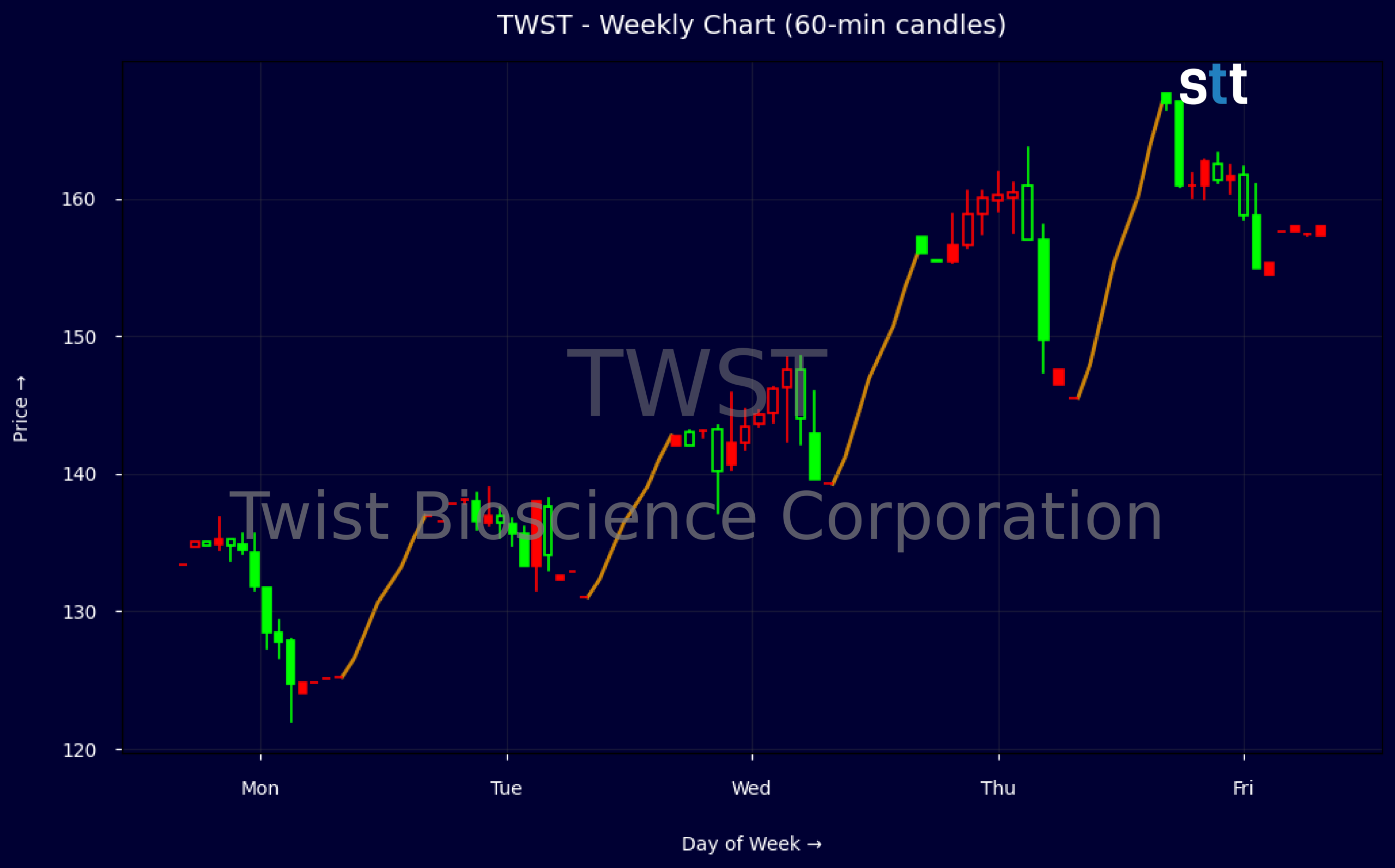
Twist Bioscience signed an agreement to provide antibody characterization data and services to Eli Lilly's AI/…
At the AWS Global Meeting on September 17, Chief AI and Technology Officer Matt Wood named Trainium for comput…


