What happened
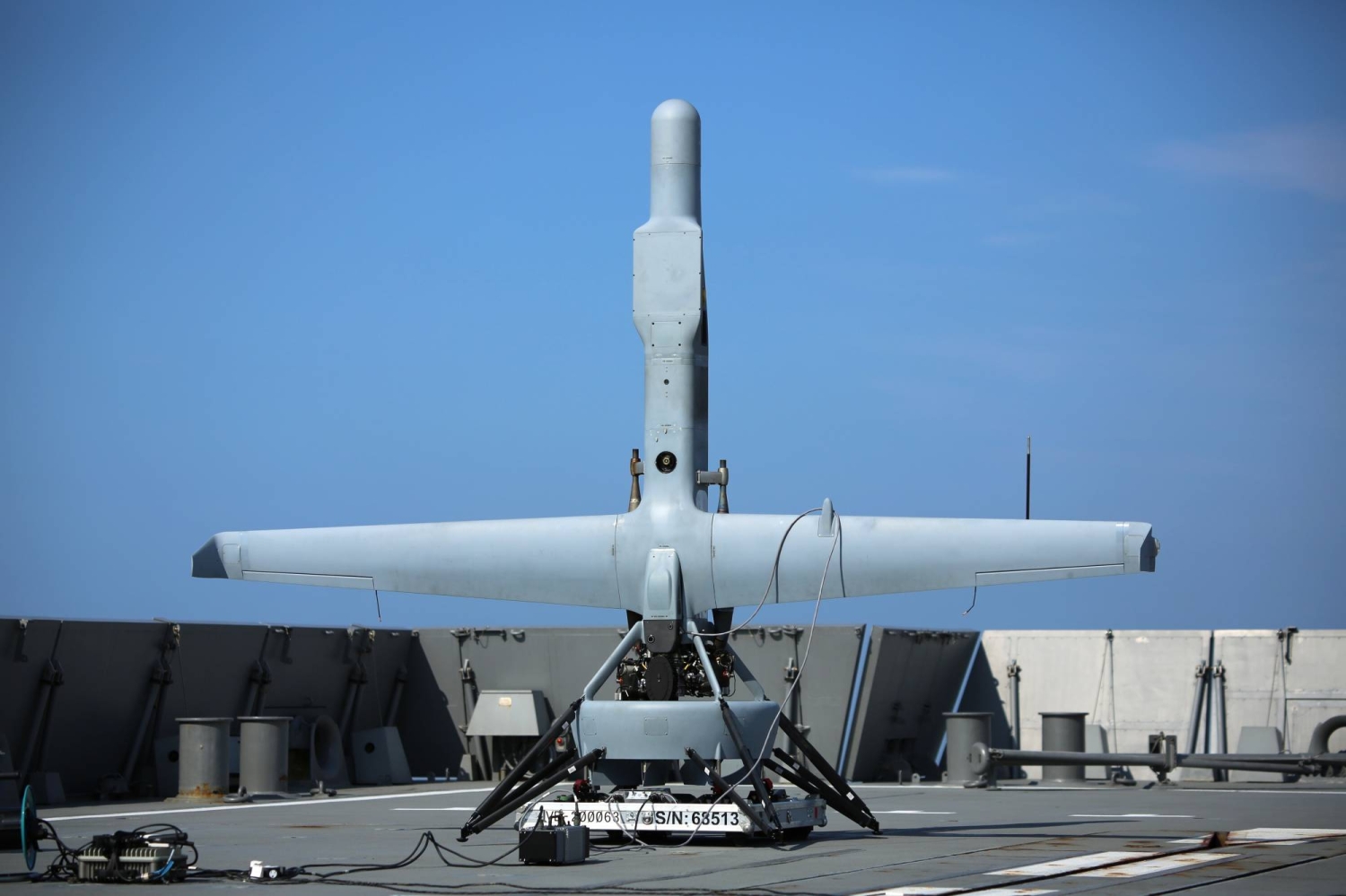
The Maritime Self-Defense Force introduced the V-BAT uncrewed reconnaissance aircraft and operates six of them, developed by U.S. defense technology company Shield AI.
Why it matters
The MSDF is deploying these aircraft as part of a broader effort to strengthen surveillance capabilities while easing personnel requirements.
What to watch
It remains to be seen how much the V-BAT fleet eases staffing pressure, as the MSDF has not disclosed any expansion plans. The aircraft's 12-hour endurance will determine how much surveillance coverage it can provide.
WHO IT HITSMSDF planners and maritime patrol crews gain an additional surveillance tool, while defense procurement teams evaluating unmanned systems may watch how the V-BAT performs in Japanese service.
Summaries like this, in your inbox every morning.
The V-BAT was introduced on the Kumano destroyer in Sagami Bay in June, marking a concrete step in the MSDF's move toward uncrewed systems. Developed by U.S. defense technology company Shield AI, the aircraft is designed to autonomously patrol predetermined routes, collecting surveillance footage and transmitting it to a command vessel in real time. It measures 2.9 meters long and 3.8 meters across, carries an infrared camera in its nose, and can remain continuously airborne for up to about 12 hours.
The MSDF frames the deployment as part of a broader effort to strengthen surveillance capabilities while easing personnel requirements. If the V-BAT can shoulder routine patrol work, it may reduce the flight hours demanded of crewed aircraft and their operators — though the body does not state how many personnel hours the system is expected to save, so that outcome remains uncertain.
The practical test is likely to be whether the six-aircraft fleet delivers the surveillance coverage the MSDF wants without adding new maintenance or training burdens. Defense procurement teams weighing similar uncrewed options may watch how the V-BAT performs in Japanese service, but the body provides no timeline for further purchases or expansion.
Pick your industry and the AI tools you use, and get news related to your work every day.
Free · 30 seconds with Google · unsubscribe anytimeWhat is AIToday? →
Ask AI anything about this article. The AI reads this article, earlier AIToday articles, and Wikipedia, and cites its sources. Q&As are published on this page for other readers too.
Skild AI used Nvidia Isaac Sim to give its S1 model one objective — score a goal — and let it compete against…
Yamazaki Mazak and ABEJA said on the 16th they will start joint development of physical AI, using ABEJA's ABEJ…
Toyota Motor's Japan Mobility Show Bizweek 2026 booth centers on its AI basketball robot CUE7, has no other ex…
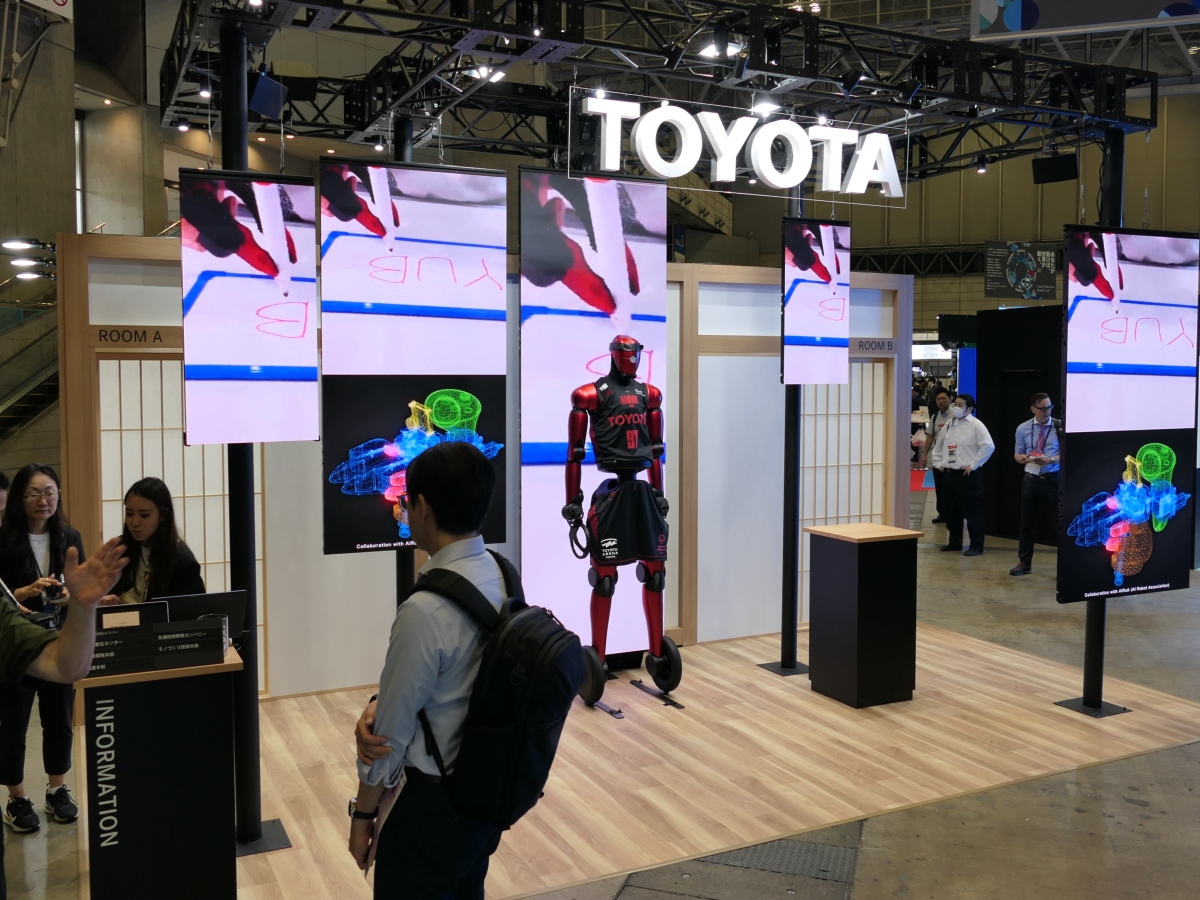
Japan Mobility Show Bizweek 2026 showcased Physical AI applications, including Toyota's basketball-playing rob…
Google pitched Gemini 4 Argon as one model for robot control, simulation and training-data review, saying it s…
Researcher Sammy Azdoufal discovered Energize Lab's Eiliko robot stores 13 million conversations from 68,000 t…