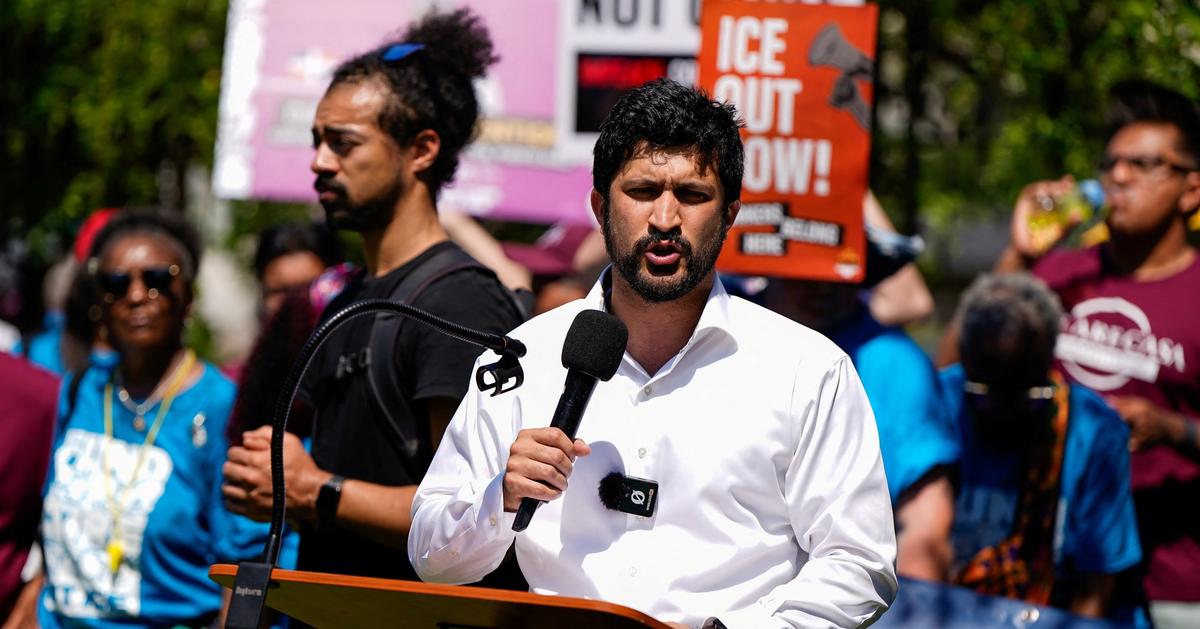
What happened
Progressive Democrats, led by Rep. Casar, are preparing AI regulation proposals ranging from a ban on AI superintelligence to a tax on the technology to fund a jobs program offsetting layoffs. A bipartisan draft bill from Reps. Lori Trahan (D-Mass.) and Jay Obernolte (R-Calif.), plus a Democratic-led commission, are also developing separate proposals.
Why it matters
Although House Democrats are currently in the minority, there is strong appetite within the caucus to advance AI regulation if Democrats gain the chamber this fall. Casar frames local backlash against AI data center construction as a sign of broader political pressure to come, expecting pushback to intensify when job losses materialize.
What to watch
The Democratic-led commission is expected to release its own AI regulation proposals. Casar predicts that job losses from AI will drive further demand for regulation across the political spectrum — from Democrats, Republicans, and independent voters.
Summaries like this, in your inbox every morning.
Progressive Democrats are consolidating support for AI regulation ahead of a potential shift in House control. Rep. Casar has been actively pitching proposals that reflect concern about job displacement and the rapid expansion of AI infrastructure, framing these as responses to a genuine political constituency. The emergence of multiple parallel initiatives—a bipartisan draft bill from Trahan and Obernolte alongside a separate Democratic-led commission—suggests that AI regulation is becoming a cross-cutting priority rather than a narrow partisan concern.
Casar's interpretation of local opposition to data center construction as "tremors of a bigger political earthquake" points to a theory that public backlash will intensify as AI-driven job losses become tangible. This framing suggests that the window for regulation may be opening not because of new technical breakthroughs, but because constituencies affected by deployment decisions (such as communities facing environmental or labor pressures) are organizing politically. The diversity of proposals—from outright bans on superintelligence to targeted tax mechanisms—indicates that the progressive caucus has not yet settled on a unified approach, but the commitment to move forward appears firm if the political arithmetic in the House changes.
Pick your industry and the AI tools you use, and get news related to your work every day.
Free · 30 seconds with Google · unsubscribe anytimeWhat is AIToday? →
Ask AI anything about this article. The AI reads this article, earlier AIToday articles, and Wikipedia, and cites its sources. Q&As are published on this page for other readers too.
Taiwan is considering much stricter export controls on AI chip sales to China, part of a greater alignment wit…

Nichiren announced its generative AI voice usage guideline on October 15, built on three pillars: prior notice…

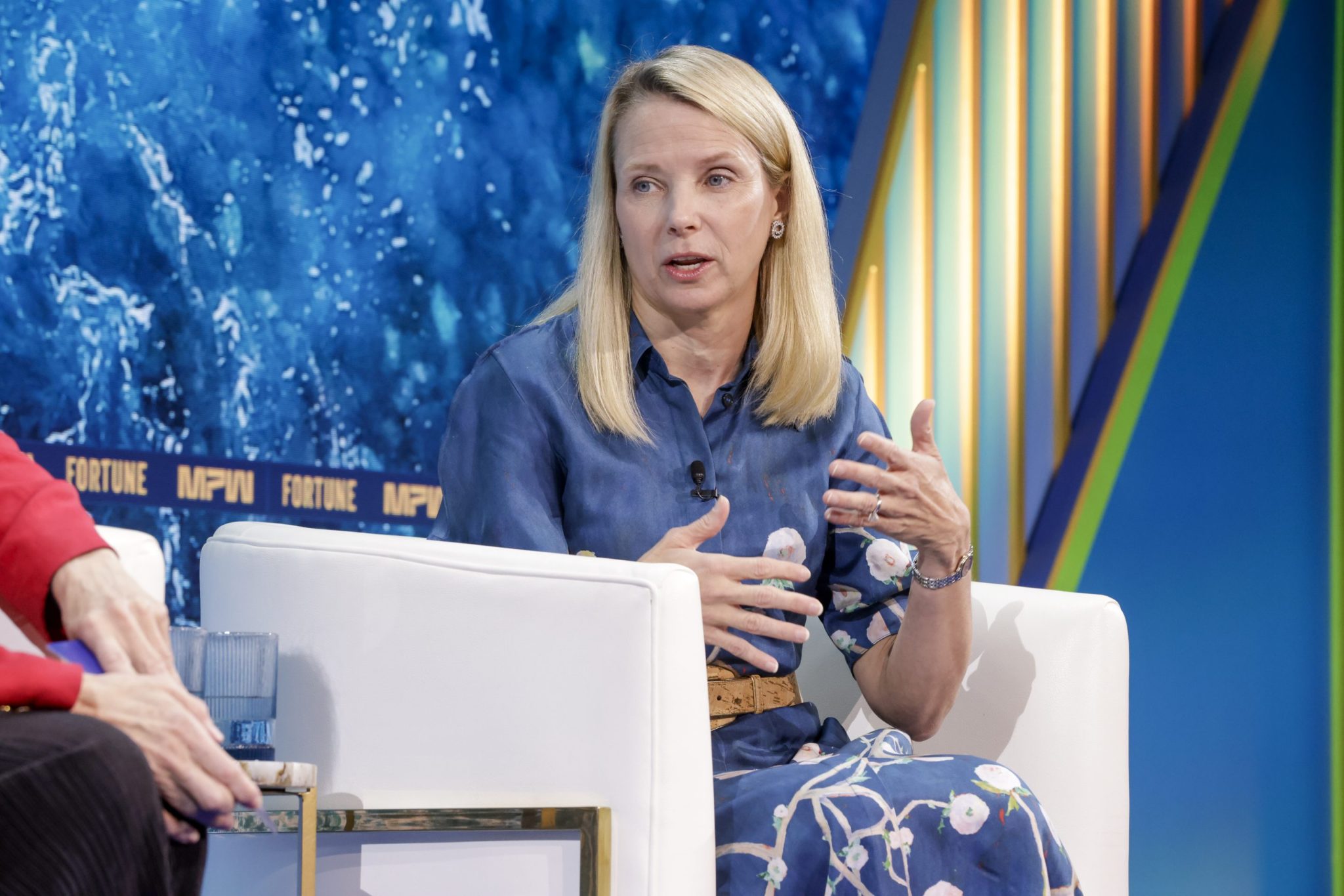
At the Most Powerful Women Summit, Marissa Mayer said anyone who claims to know how AI will play out is 'eithe…
SHIFT announced it began a project for the Acquisition, Technology & Logistics Agency (防衛装備庁) covering AI-rela…

After its first meeting Thursday, the White House AI task force formally adopted its charter, opening a 120-da…
Anthropic announced a revised Claude usage policy on October 8, 2026 that applies from November 12, 2026, rewr…