What happened
In FY 2025, Lemonade posted revenue of nearly $737.9 million, up about 40.2%, but a net loss of close to $165.5 million, while Berkshire reported nearly $371.4 billion in revenue and close to $67.0 billion in net income.
Why it matters
The Motley Fool's author says Berkshire is the name to beat for investors seeking stability and cash flow, and would rather watch Lemonade's progress from the sidelines until it shows consistent profitability.
What to watch
Lemonade's path hinges on whether its AI pricing holds up as consumer and regulatory opinions of AI-enabled products evolve, and on whether it starts to demonstrate consistent profitability.
WHO IT HITSRetail investors weighing Berkshire Hathaway against Lemonade face a clear stability-versus-growth trade-off; Lemonade's reliance on AI for pricing and its continued cash burn are likely to matter most to those holding or considering the stock, while Berkshire's scale and profitability appeal to investors seeking steady cash flow.
Summaries like this, in your inbox every morning.
The comparison comes as Berkshire Hathaway transitions its management team amid the retirement of legendary investor Warren Buffett, a change the author flags as a recent challenge. Berkshire's diversification spans insurance, the BNSF railway, energy divisions serving approximately 5.4 million retail utility customers, and manufacturing units such as Precision Castparts and McLane, which supplies Walmart and Yum! Brands. That breadth is the backdrop for the author's view that Lemonade is not just competing against an older legacy insurer, but against a global transportation company, energy and consumer goods businesses, and one of the most respected equity portfolios in the market.
Lemonade's model is built on proprietary machine learning algorithms and a program that donates leftover premiums to charities chosen by customers, targeting younger consumers who often start with renters insurance. It reported serving more than 3.3 million customers by mid-2026, but its growth depends on the continued availability of affordable reinsurance contracts and it faces intense competition from established giants like Progressive. The author notes its early adoption of AI could drive fantastic returns over time, though the path forward is uncertain and the company is still burning cash as it scales.
The stakes for investors appear to hinge on whether Lemonade can convert its revenue growth into consistent profitability, and on how consumers and regulators judge AI-enabled products. For those prioritizing stability and cash flow, Berkshire's scale and profits remain the benchmark; for those betting on AI-driven disruption of insurance, Lemonade offers growth potential but with unresolved risk. The author's own stance is to wait and watch rather than commit.
For example, today's edition would include:
AI-summarized, only the topics you pick: one digest a day via Email, LINE, or Slack.
Free · 30 seconds with Google · unsubscribe anytimeWhat is AIToday? →
Ask AI anything about this article. The AI reads this article, earlier AIToday articles, and Wikipedia, and cites its sources. Q&As are published on this page for other readers too.
Nvidia's DGX Spark, launched at CES 2025 as Project DIGITS, began shipping in October, with VP Adel El Hallak…

Stagwell CEO and former Microsoft Chief Strategy Officer Mark Penn told Yahoo Finance that most modern digital…

Anthropic CEO Dario Amodei dined with President Donald Trump at the White House, even as the Pentagon continue…

Hera Hyeonseo Lee said workers are using their deferred wages to finance the AI designed to eliminate their jo…

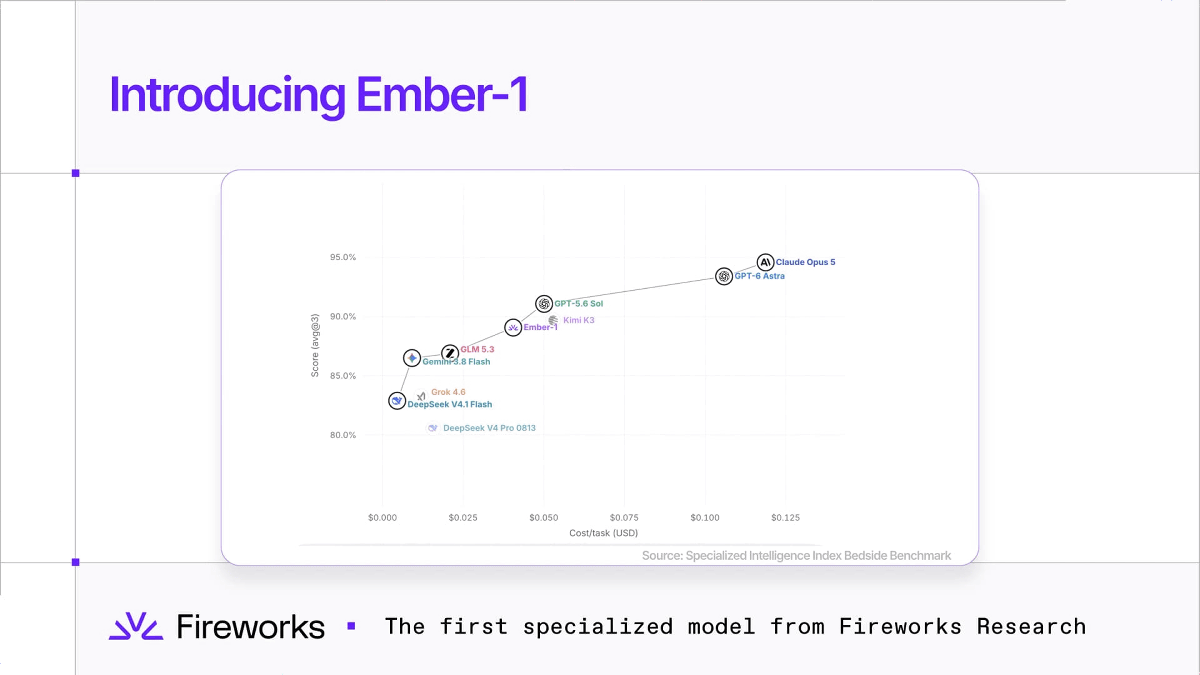
Fireworks AI announced Ember-1, a Kimi K3-based model built for its project to create specialized models devel…
Dymocks Education is closing its classrooms and urging parents to use ChatGPT or Gemini instead, with CEO Mark…