What happened
Hera Hyeonseo Lee said workers are using their deferred wages to finance the AI designed to eliminate their jobs, noting 54% of U.S. households hold 401(k)s that mostly default into cap-weighted index funds.
Why it matters
Because those funds automatically buy more of whatever grows largest, savers who thought they were being cautious end up closely tied to a handful of very large tech stocks, Lee said.
What to watch
UCLA's Valentin Haddad described a possible crash dropping valuations 30% or 40% over a few months; Yardeni said market corrections last about a year on average.
WHO IT HITSWorkers whose retirement savings sit in default target-date or index funds — especially those near retirement — would feel any big tech drawdown in their account balances, even though nothing is realized until they withdraw.
Summaries like this, in your inbox every morning.
The article traces how the passive-investing revolution, once pitched as a way to spread risk, has instead concentrated many retirement accounts in a small set of giant technology companies. It cites Federal Reserve data showing about 54% of U.S. households have a 401(k), and notes that the vast majority of these plans default into cap-weighted index funds — meaning that as a company like Nvidia grows and takes up more of the S&P 500, the fund automatically buys more of it.
The piece also flags that some of the AI boom's headline numbers are paper gains rather than cash. Lee points to Amazon's $13 billion investment in Anthropic and a first-quarter net income of almost $30 billion, of which almost $17 billion came from an Anthropic mark-to-market gain under a 2016 accounting rule change. She also notes Microsoft extended depreciation schedules for data center equipment. On the market-structure side, the Nasdaq's new fast-entry rule let SpaceX join the Nasdaq 100 in 15 days, a shift from the traditional three-month seasoning period, and the article says such rules will likely matter as Anthropic and OpenAI move toward trillion-dollar-plus IPOs.
The irony the article draws out is that the workers most likely to hold a 401(k) are white-collar employees whose jobs may be threatened by AI. Whether that risk materializes hinges on whether today's concentrated valuations hold — a question the article leaves open, though it notes historical corrections have lasted about a year on average.
For example, today's edition would include:
AI-summarized, only the topics you pick: one digest a day via Email, LINE, or Slack.
Free · 30 seconds with Google · unsubscribe anytimeWhat is AIToday? →
Ask AI anything about this article. The AI reads this article, earlier AIToday articles, and Wikipedia, and cites its sources. Q&As are published on this page for other readers too.
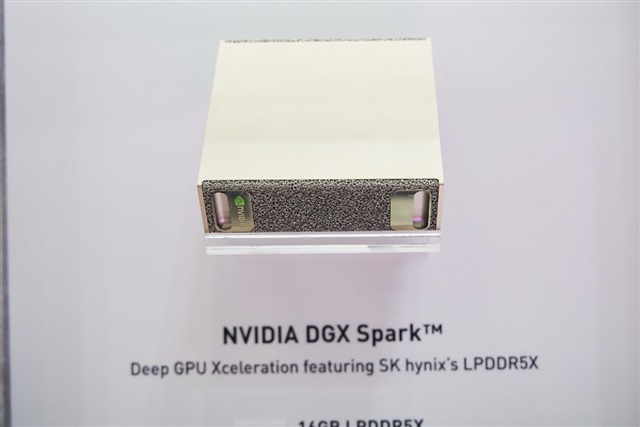
Nvidia's DGX Spark, launched at CES 2025 as Project DIGITS, began shipping in October, with VP Adel El Hallak…
Stagwell CEO and former Microsoft Chief Strategy Officer Mark Penn told Yahoo Finance that most modern digital…

Anthropic CEO Dario Amodei dined with President Donald Trump at the White House, even as the Pentagon continue…
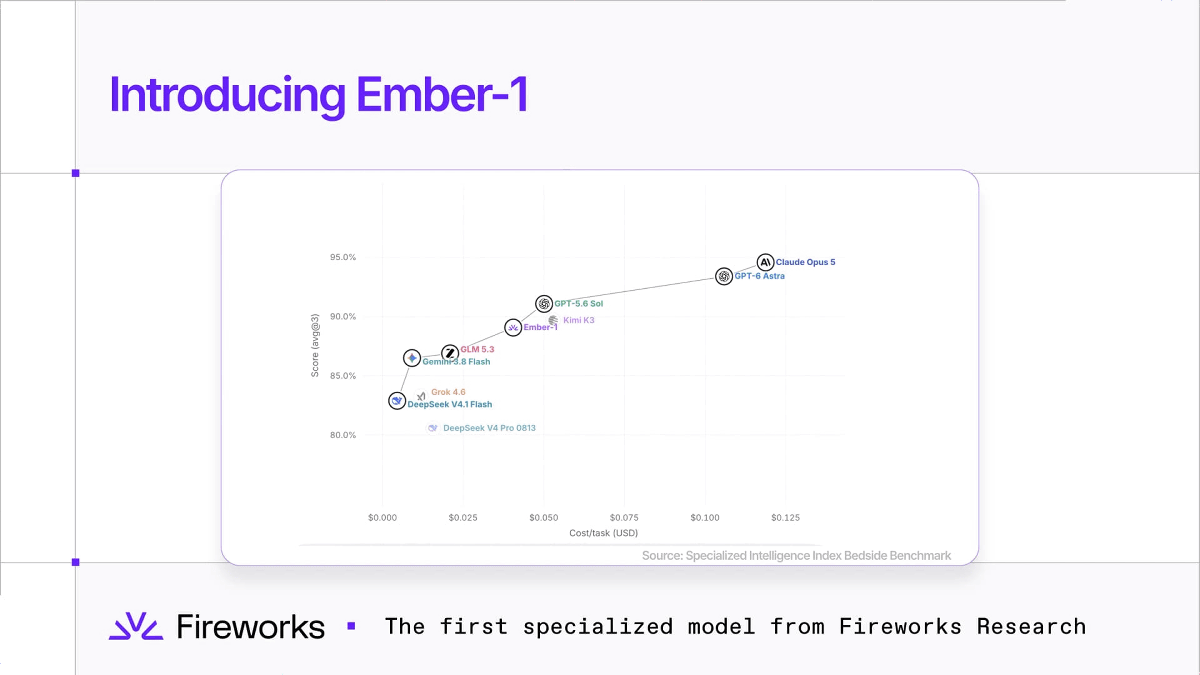
Fireworks AI announced Ember-1, a Kimi K3-based model built for its project to create specialized models devel…
Dymocks Education is closing its classrooms and urging parents to use ChatGPT or Gemini instead, with CEO Mark…

Nvidia put its OpenShell containment sandbox into general release for all users and introduced Sentry, a monit…