What happened
AeroVironment's quarter brought confirming data — EHEL awarded, a LOCUST international sale announced, and Titan contract wins stacking — yet guidance was not raised, leaving the pressure to explain that as the call's new center of gravity.
Why it matters
The company's narrative has converted from an anticipated inflection to an achieved one, so the question for investors shifts from whether new programs will land to whether they can absorb capacity fast enough, and the call's analytical interest now lies under the headlines.
What to watch
The outcome hinges on one quiet assumption about how quickly AeroVironment's new programs absorb capacity; if that capacity swing proves wrong, future cash generation is what moves, and the full narrative on management, contracts and cash generation is where the decoupling could show.
WHO IT HITSDefense and government buyers of uncrewed aircraft and loitering munitions, along with investors tracking AeroVironment's earnings and cash generation, are the audiences the contract wins and guidance question land on.
Summaries like this, in your inbox every morning.
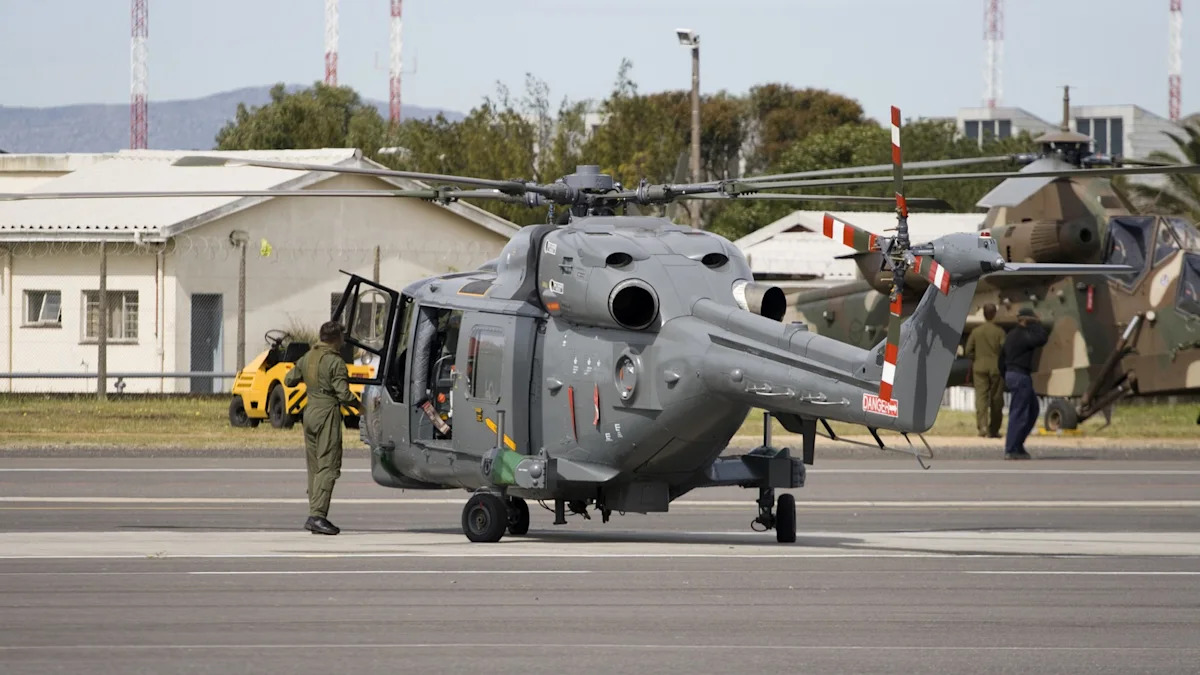
AeroVironment's quarter arrived with confirming data on several fronts — EHEL awarded, a LOCUST international sale announced, and Titan contract wins stacking. What the earnings call signaled, according to the commentary, is a change in the story's architecture: a narrative previously built around an anticipated inflection has converted to one anchored in achieved inflection. That shift matters because it reframes the analytical interest away from the headlines and toward what moved underneath them.
The article notes that the pressure to explain why guidance wasn't raised has become the new center of gravity. For readers watching the robotics and automation theme, AeroVironment is offered as an example of physical AI applied to demanding real-world missions where labour, speed and precision are under strain, with revenue split roughly between US$1.4b in Autonomous Systems and US$584 million in Space, Cyber and Directed Energy, and between US$1.4b from the United States and about US$556 million internationally.
The stakes appear to hinge on one quiet assumption: how quickly the company's new programs absorb capacity. If that capacity swing proves wrong, future cash generation is what moves, and the full narrative on management, contracts and cash generation is where any decoupling could show. That is a question for investors and defense buyers to weigh as the program backlog converts, though the article does not say when that will be resolved.
For example, today's edition would include:
AI-summarized, only the topics you pick — one digest a day via Email, LINE, or Slack.
Free · 30 seconds with Google · unsubscribe anytimeWhat is AIToday? →
Ask AI anything about this article. Q&As are published on this page for other readers too.
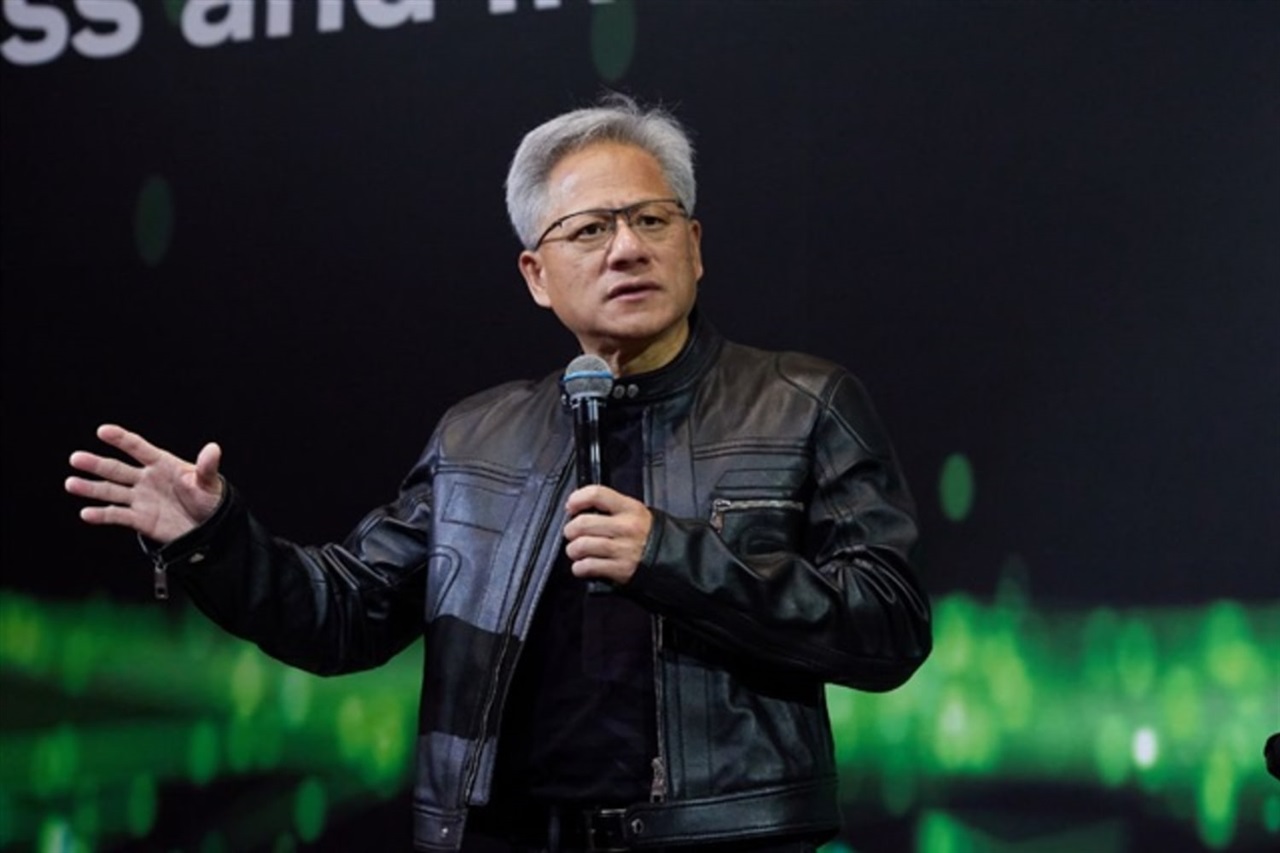
In a 46-minute interview on CBS, Nvidia CEO Jensen Huang pushed back against apocalyptic warnings about AI and…
China's 15th Five Year Plan (2026-2030) makes embodied AI a top priority, with subsidies and humanoid training…
Apollo's Torsten Sløk told clients the AI spending race depends on hyperscaler operating cash flow more than t…

LG Energy's battery energy storage system (BESS) has qualified into Nvidia's AI Factory ecosystem
China's internet regulator is reportedly investigating DeepSeek and Moonshot AI over allegations they routed m…

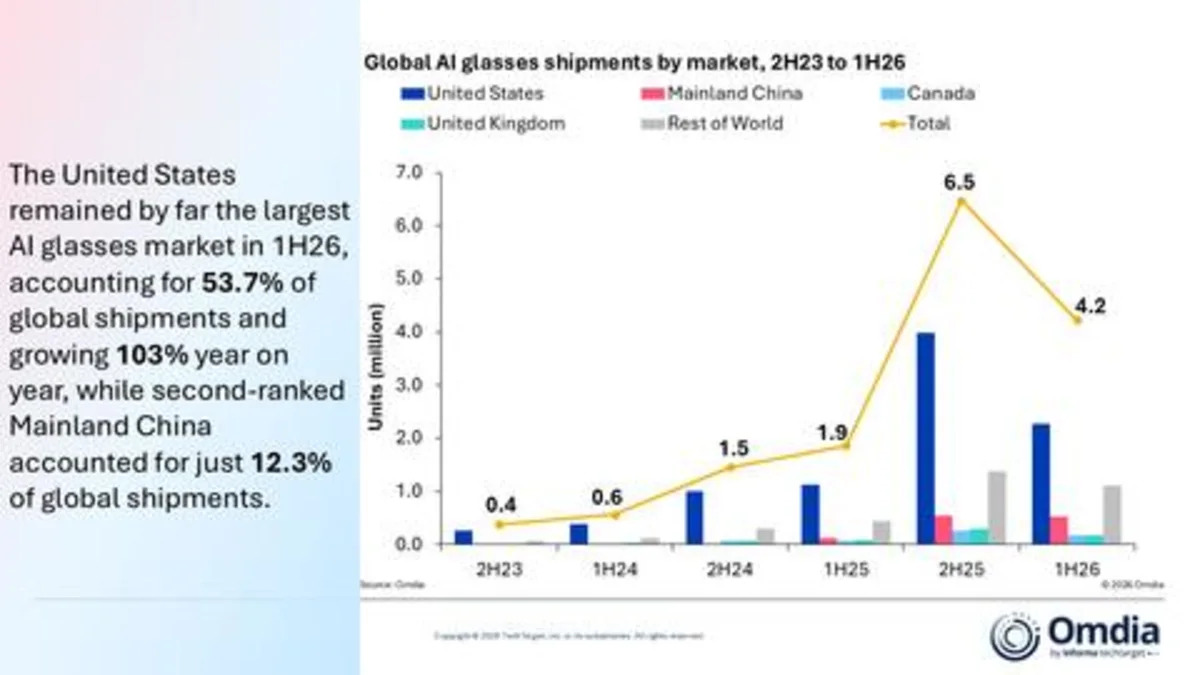
Omdia says global AI glasses shipments reached 4.2 million units in 1H26, up 127% year-on-year, with Meta ship…