What happened
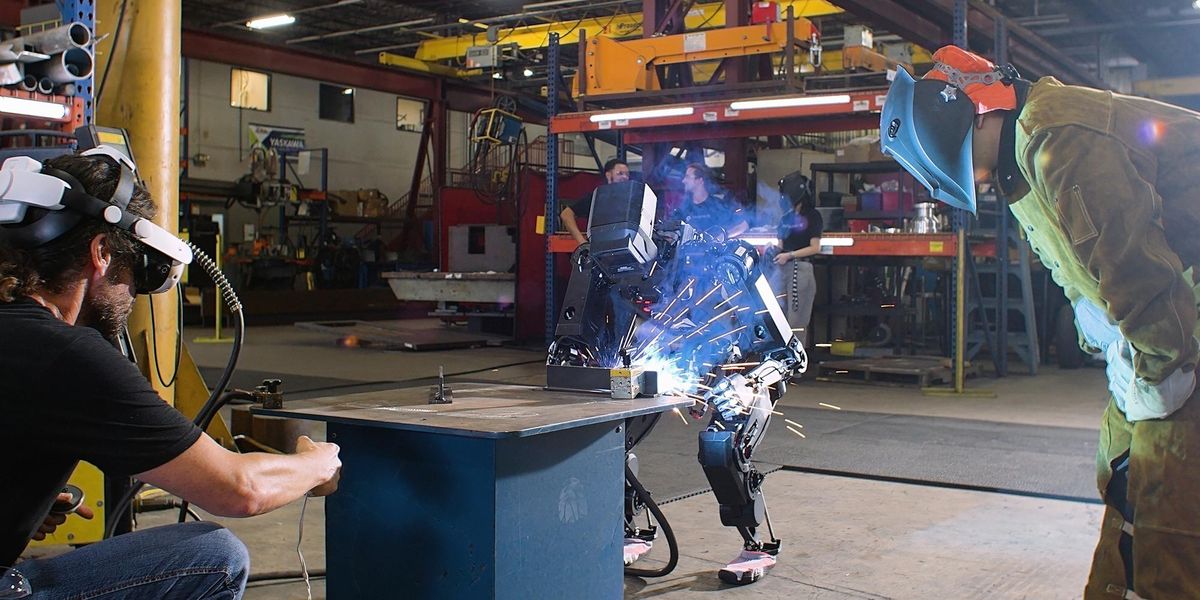
Persona AI, founded by former NASA and DARPA robotics leaders Nic Radford and Jerry Pratt, is deploying humanoid robots focused on welding in shipyards rather than pursuing the broader "general purpose" approach most humanoid companies chase. The company has partnerships with HD Hyundai (world's largest shipbuilder) and POSCO (third-largest steel producer), both in Korea, and expects to deploy hundreds of robots per location.
Why it matters
Most humanoid companies have failed to achieve economic viability at scale, but Persona's strategy targets skilled labor—not unskilled labor—where robots can command higher value. Shipyard welding is particularly attractive because it involves long, linear welds (hundreds of kilometers per ship) that robots excel at, there is a deficit of skilled workers, and the task's slow speed (centimeter per second) and repetitive millimeter-scale motions play to robot strengths. For industrial buyers facing labor constraints, a more expensive robot can unlock additional revenue by enabling higher production rather than cutting costs.
What to watch
Persona must collect tens of thousands of hours of expert demonstration data, create high-fidelity simulations, and conduct real-world testing to prove the model works. The company plans to expand beyond welding to adjacent shipyard tasks (grinding, painting, fabrication) and eventually become "the largest repository of industrial skills."
Summaries like this, in your inbox every morning.
Persona's approach reflects a fundamental insight about humanoid economics that most competitors have missed: the target market matters more than the robot's capabilities. While companies like Boston Dynamics and Figure have pursued either consumer applications or vague "general purpose" deployment scenarios, Persona identified a niche where humanoids already possess inherent advantages and where customers face genuine constraints that justify premium pricing.
The shipyard welding use case is economically defensible because it combines three elements the body emphasizes: (1) a task where robots' mechanical strengths (precision, consistency, endurance) directly match the job's demands; (2) a customer base (shipbuilders) facing labor scarcity in a skilled trade, not competition on price; and (3) a business model that sells *capacity expansion* rather than cost reduction. This last point is critical—Radford and Pratt are not arguing their robots will replace workers or cut costs, but instead that they will enable customers running at "significant backlog" to build more ships, unlocking "additional revenue." When skilled labor does not exist to meet demand, a more expensive robot becomes valuable rather than a liability.
Persona's founders bring credibility to this pivot: Radford led NASA's Valkyrie humanoid program and founded Nauticus Robotics; Pratt was CTO of Figure and led IHMC's DARPA Robotics Challenge team. Both understand that technical excellence is necessary but not sufficient—economic viability requires matching the robot to a market where its strengths align with customer pain points. The company is explicit about rejecting the "unskilled labor" thesis that animates much of the humanoid industry, instead betting on "skilled trades and tool usage" where robots can justify higher prices and where competition from other roboticists is absent.
Pick your industry and the AI tools you use, and get news related to your work every day.
Free · 30 seconds with Google · unsubscribe anytimeWhat is AIToday? →
Ask AI anything about this article. The AI reads this article, earlier AIToday articles, and Wikipedia, and cites its sources. Q&As are published on this page for other readers too.
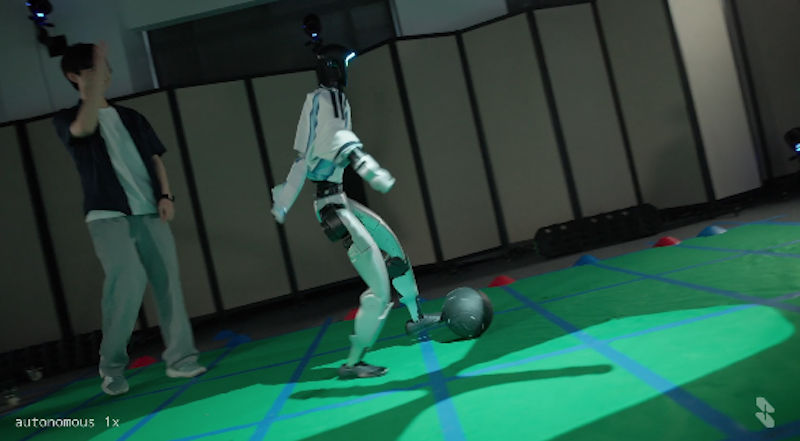
Skild AI used Nvidia Isaac Sim to give its S1 model one objective — score a goal — and let it compete against…
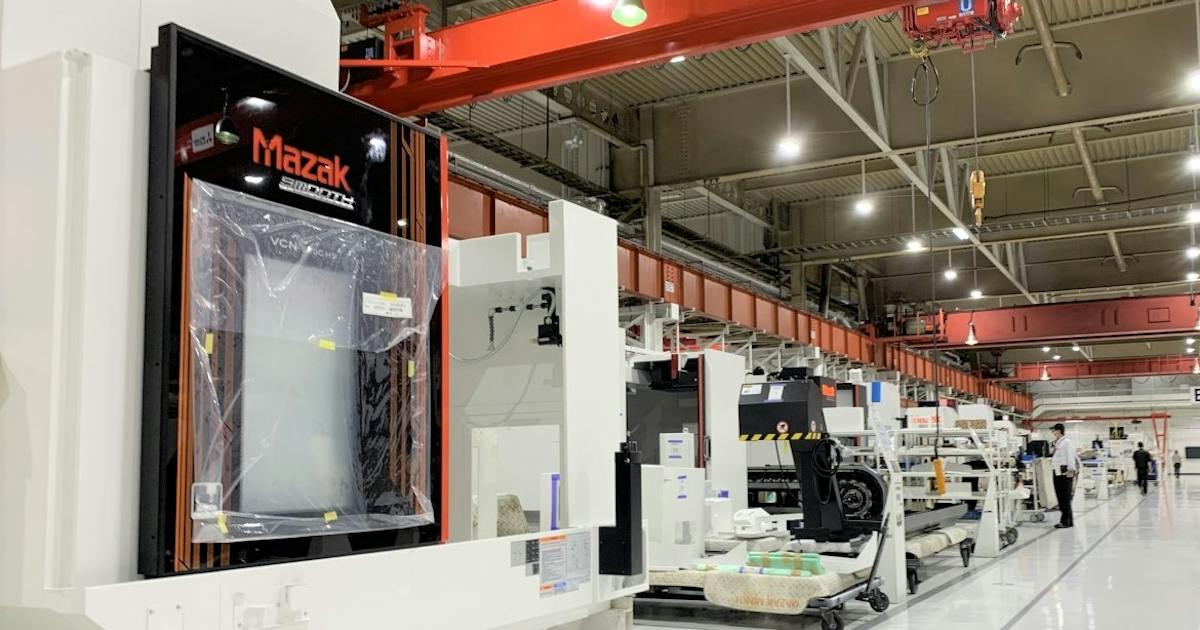
Yamazaki Mazak and ABEJA said on the 16th they will start joint development of physical AI, using ABEJA's ABEJ…
Toyota Motor's Japan Mobility Show Bizweek 2026 booth centers on its AI basketball robot CUE7, has no other ex…
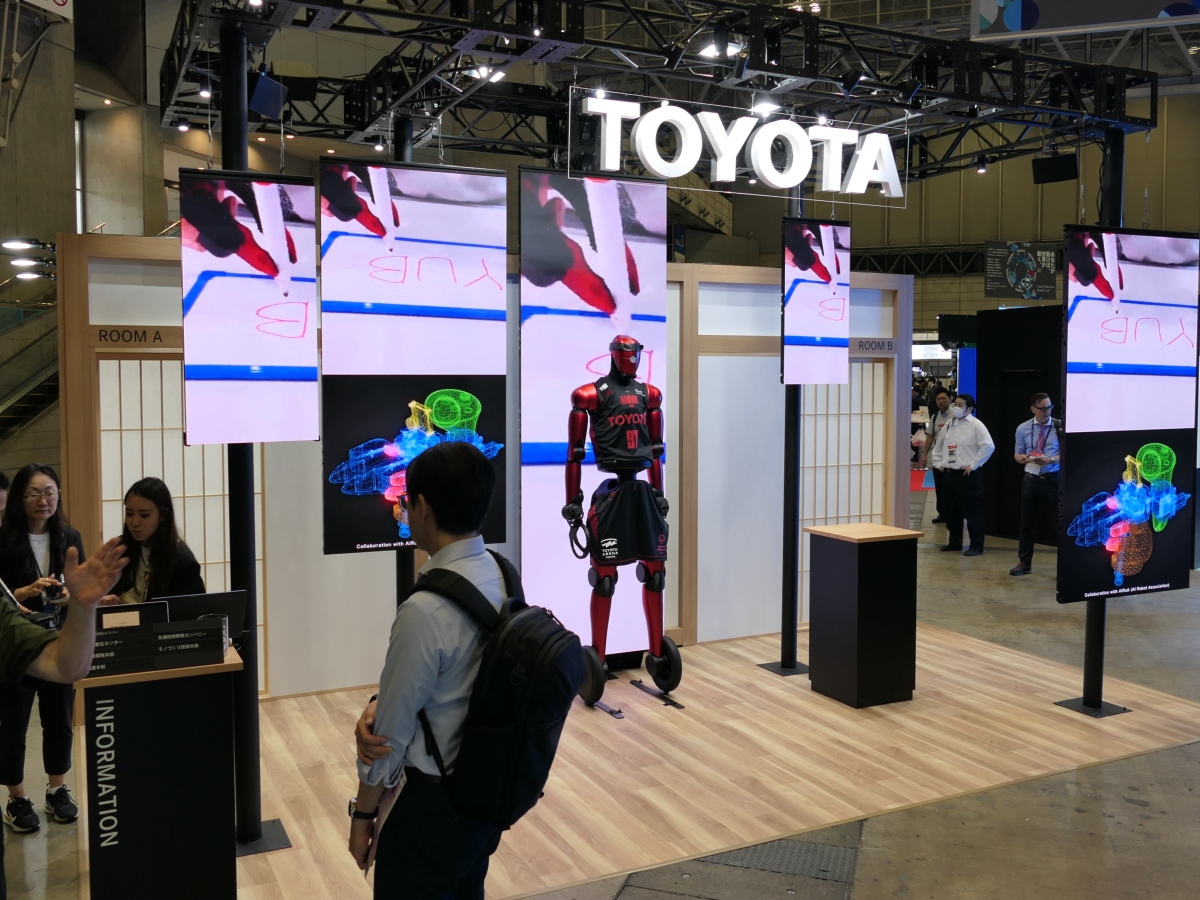
Japan Mobility Show Bizweek 2026 showcased Physical AI applications, including Toyota's basketball-playing rob…
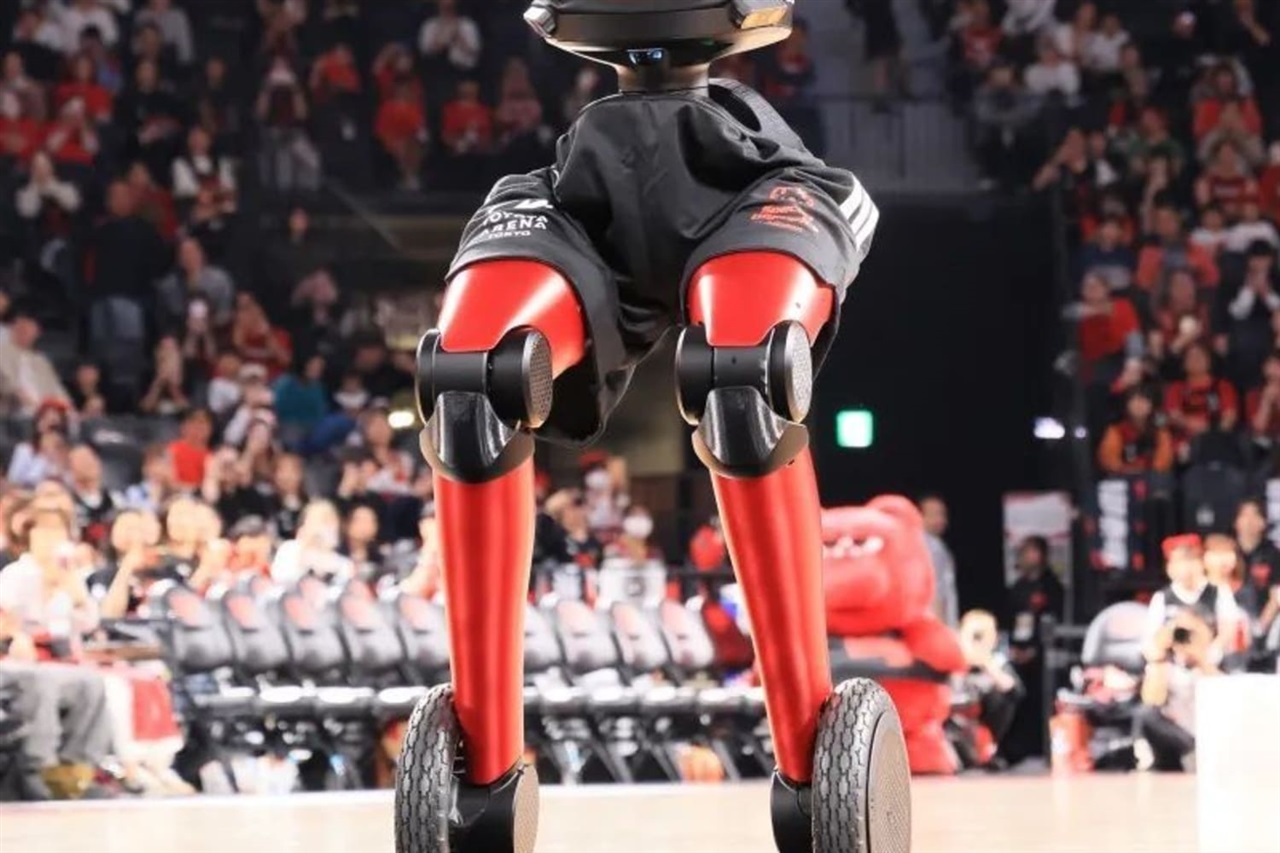
Google pitched Gemini 4 Argon as one model for robot control, simulation and training-data review, saying it s…
Researcher Sammy Azdoufal discovered Energize Lab's Eiliko robot stores 13 million conversations from 68,000 t…