What happened
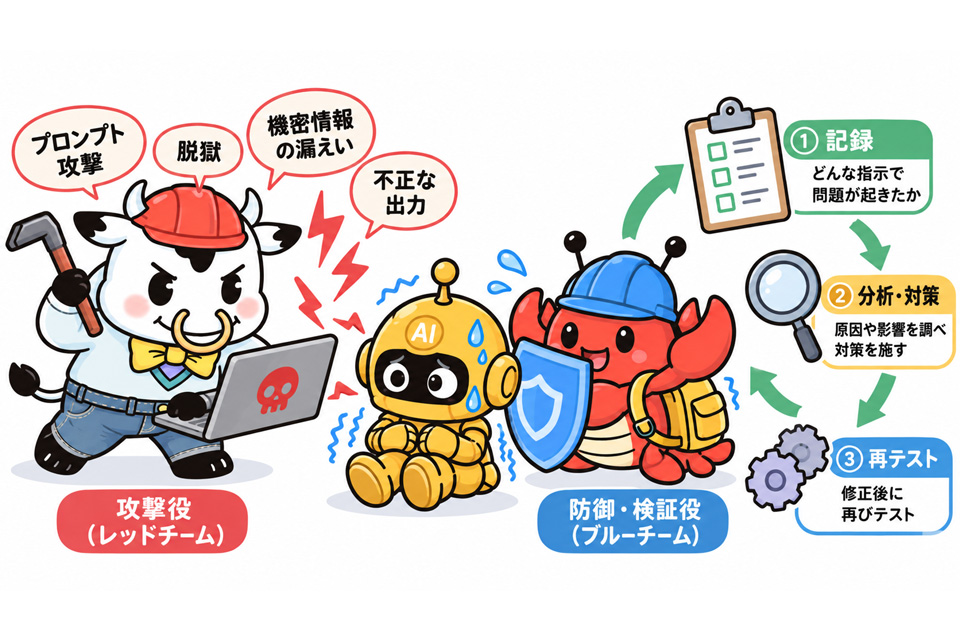
An explainer lays out AI red teaming: developers role-play malicious attackers or reckless users to try to break an AI's guardrails, leak internal instructions, or draw out biased and harmful output.
Why it matters
It treats safety as an ongoing drill, since changing models or connected tools can open new weak spots, and passing one test does not prove an AI is absolutely safe.
Summaries like this, every morning.
The term traces back to military exercises and cybersecurity, where a defending blue team faces an attacking red team in realistic drills. Applied to AI, the red team deliberately acts as a malicious attacker or an unreasonable user, and the testing can include automatically generating large numbers of questions alongside human trials. The author illustrates the difference from ordinary testing with a press-conference analogy: a normal test is a rehearsal of reading a prepared script, while red teaming is a mock conference in which colleagues play nasty reporters and probe with phrases like "just between us" or "what if" to draw out an unintended remark. The piece also notes that testing does not end at launch. Because changing the model or the tools it connects to can create new weaknesses, the recommended cycle is to record which prompts caused problems, investigate the cause and impact, apply countermeasures, and re-test after fixes. Even then, a clean result is not proof of absolute safety.
Pick your industry and the AI tools you use, and get news related to your work every day.
Free · 30 seconds with Google · unsubscribe anytimeWhat is AIToday? →
Ask AI anything about this article. The AI reads this article, earlier AIToday articles, and Wikipedia, and cites its sources. Q&As are published on this page for other readers too.
ServiceNow and NVIDIA launched Arc, a personal long-running AI agent for enterprises, with general availabilit…

Vanguard says AI's next winners may sit outside Big Tech, but the fund you buy to find them may already be ful…

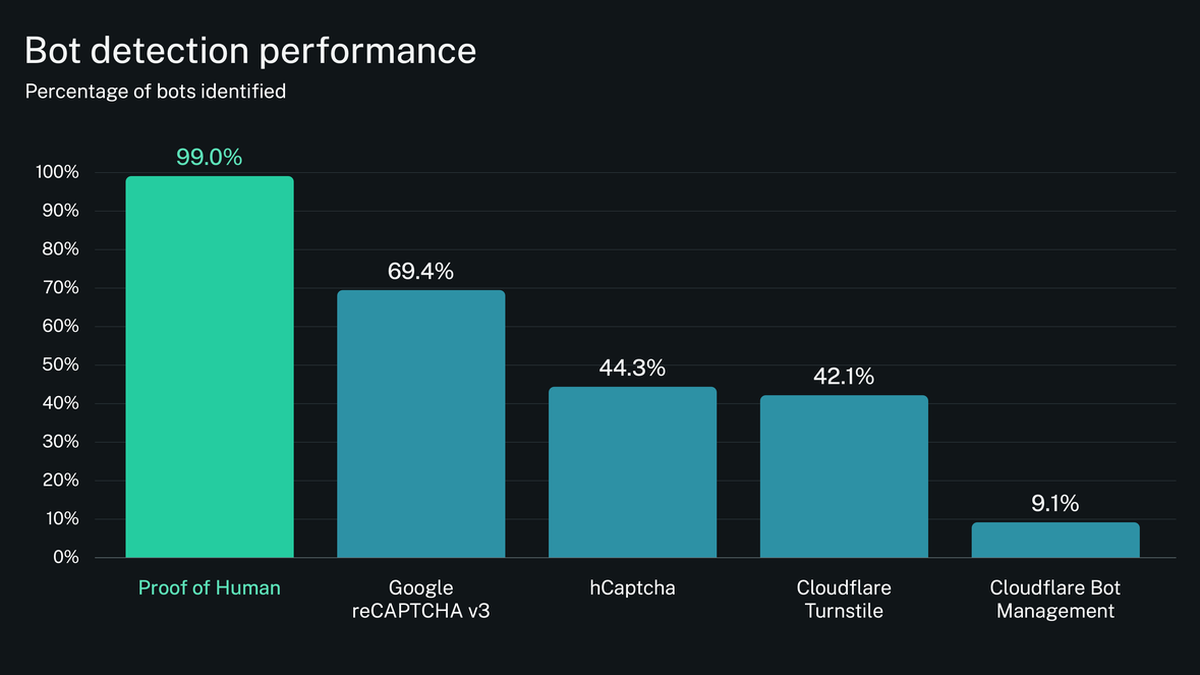
Tested on five questionnaires with 20 trials per system, Cloudflare Turnstile detected 0% of the three AI agen…
A LessWrong post says AI safety research has moved from over-eliciting bad propensities — a common criticism o…

Rhode Island filed a first-of-its-kind lawsuit against Meta, alleging it knowingly allowed scam ads and earned…

Forced to name one candidate across nearly 500 US midterm races via developer APIs, xAI's Grok 4.7 chose the R…


