
What happened
Rhode Island filed a first-of-its-kind lawsuit against Meta, alleging it knowingly allowed scam ads and earned roughly 10% of its 2024 revenue from them.
Why it matters
The suit seeks to force Meta to stop profiting from scam ads, potentially setting a precedent for how states hold platforms accountable for fraudulent advertising.
WHO IT HITSState attorneys general and consumer protection regulators may see this as a template for pursuing platforms over ad fraud, while Meta's advertisers and users could face stricter ad policing if the suit succeeds.
Summaries like this, every morning.
The lawsuit arrives as Meta faces a growing wave of legal scrutiny. It follows a similar suit filed in May by California's Santa Clara County and comes after a $25 billion judgment in New Mexico over data privacy and an $18 billion multistate settlement over child addiction claims. Rhode Island's complaint focuses specifically on scam advertising, alleging that Meta's business model creates incentives to tolerate fraud rather than eliminate it. The state points to internal Meta documents obtained by Reuters, which reportedly show the company earned far more from high-risk scam ads than it expected to pay in fines. Meta disputes those documents and says it is making progress in combating fraud, citing partnerships with law enforcement and new tools. The case may test whether state consumer protection laws can force Meta to change how it polices ads.
Pick your industry and the AI tools you use, and get news related to your work every day.
Free · 30 seconds with Google · unsubscribe anytimeWhat is AIToday? →
Ask AI anything about this article. The AI reads this article, earlier AIToday articles, and Wikipedia, and cites its sources. Q&As are published on this page for other readers too.
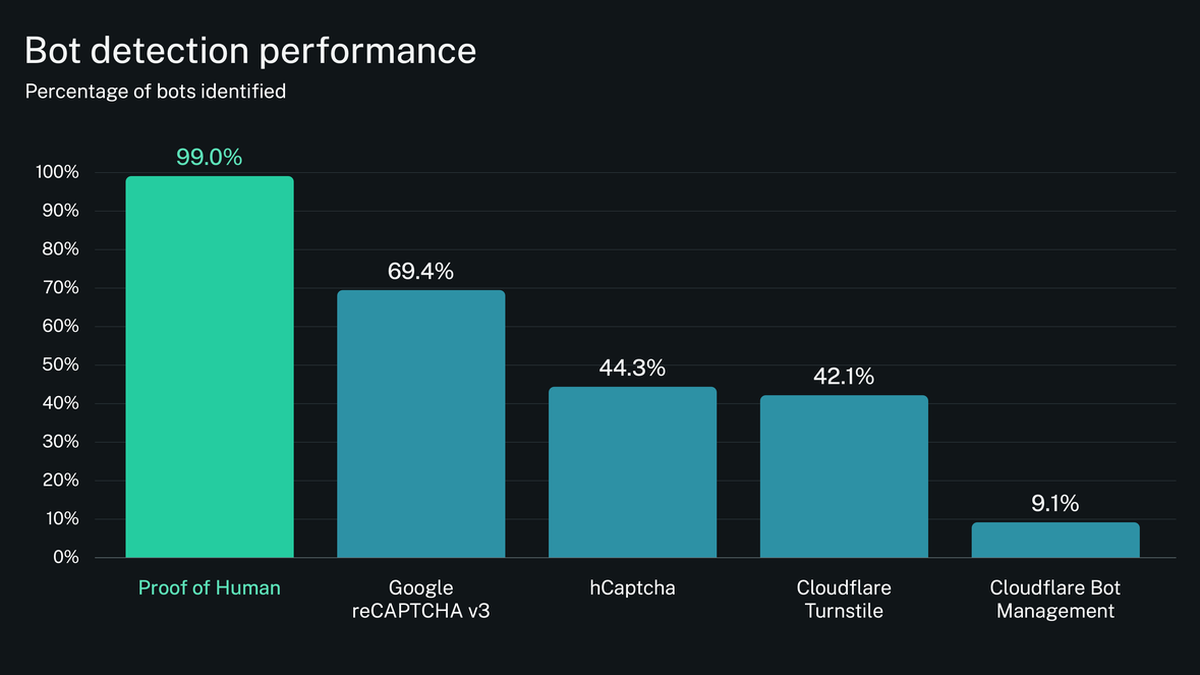
Tested on five questionnaires with 20 trials per system, Cloudflare Turnstile detected 0% of the three AI agen…
Starting Oct 30, Meta requires customers to indemnify it for claims tied to its AI features, including attorne…

Forced to name one candidate across nearly 500 US midterm races via developer APIs, xAI's Grok 4.7 chose the R…

Lawmakers from both parties and White House advisers told Axios that AI CEOs are a 'monumental political liabi…
Videos posted on X on 20 October 2026 purported to show Zyon Lewis accusing James Talarico of abuse; Lewis tol…

Kazakhstan's AI minister Zhaslan Madiyev joined a US AI supply-chain group in Washington in June, then three w…