What happened
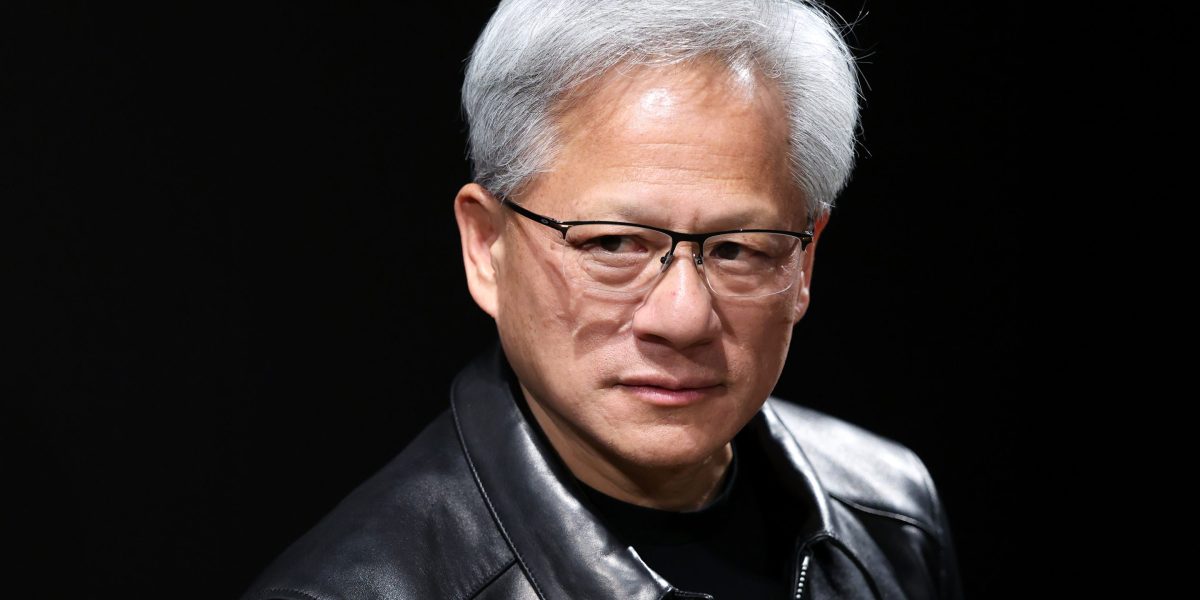
Nvidia reduced its financial guarantee for OpenAI's planned data center campus in Pike County, Ohio to $105 billion, down from roughly $250 billion initially considered and a reported $120 billion threshold in August. The deal was signed Monday, with Nvidia disclosing the final "aggregate payment obligation" in an SEC filing.
Why it matters
The reduction reflects investor concerns about circular financing in AI—where chip makers like Nvidia fund infrastructure that creates demand for their own products. When the $250 billion guarantee was reported in July, Nvidia's stock fell about 4.5% intraday on those concerns. The structure reveals skepticism among investors about whether AI spending will generate enough external revenue to justify the enormous capital being deployed within the industry itself.
What to watch
The Ohio campus is designed to eventually reach as much as 8 gigawatts of computing capacity, with the first 800 megawatts expected to become available in 2028. OpenAI will lease the facility from SB Energy for as long as 20 years, and Nvidia will be the exclusive chip provider for the initial phase. Nvidia is also investing $1.5 billion in SB Energy.
Summaries like this, in your inbox every morning.
The $105 billion guarantee sits at the center of a widening tension in AI infrastructure financing: the sector's reliance on self-funding by the companies that benefit most directly from continued chip purchases. Nvidia's reduction from $250 billion signals that even the company most advantaged by this circular arrangement has felt pressure to dial back its exposure. The stock market reaction to the original $250 billion guarantee—a 4.5% intraday drop—made that investor skepticism visible and costly, likely influencing the final negotiated figure.
The deal structure itself softens Nvidia's financial risk. Rather than guaranteeing the entire project cost outright, Nvidia's funding helps SB Energy secure financing by supporting lease and power payments and guaranteeing infrastructure value if OpenAI defaults. This arrangement allows Nvidia to appear committed while transferring much of the actual burden to SoftBank, SB Energy, and the financial markets. Simultaneously, Nvidia has mobilized outside capital through partnerships with six major financial institutions targeting more than $500 billion in third-party funding for AI infrastructure—a shift made possible by July SEC staff guidance that exempted certain data-center debt from Dodd-Frank securitization rules. In other words, Nvidia is moving away from carrying risk itself and toward orchestrating a web of external investors to shoulder it instead.
Pick your industry and the AI tools you use, and get news related to your work every day.
Free · 30 seconds with Google · unsubscribe anytimeWhat is AIToday? →
Ask AI anything about this article. The AI reads this article, earlier AIToday articles, and Wikipedia, and cites its sources. Q&As are published on this page for other readers too.
Apple HomeView is now official, a new Apple TV device whose appeal rests on subpar AI

Broadcom expects AI semiconductor revenue to reach $56 billion this year and over $100 billion next year, help…
Thiel Macro, Peter Thiel's investment company, holds 42% of its portfolio in two AI stocks: Amazon at 28% and…

Tencent Holdings sold nearly $5.7 billion of bonds this week to support its AI investments, its largest offeri…
Among EU ChatGPT Enterprise accounts, Codex and ChatGPT Work now produce more than half of output tokens, and…

JCET is directing most of its increased capital spending towards advanced packaging, modules and testing while…