
What happened
Liquid AI released d1-3B, a 3.12 billion-parameter decision model based on LFM2.5-VL-3B for text and images, and d1-omni-600M, a 587 million-parameter model based on LFM2.5-Encoder-350M that also accepts audio. Both are free to download and run locally.
Why it matters
These open decision models let users pick from predefined options with confidence scores, run locally on a single GPU, and handle tasks like model selection or website classification faster and cheaper than LLMs.
WHO IT HITSAI developers and IT teams who want to run decision models locally on consumer GPUs for tasks like model selection or website classification may benefit from these free, downloadable models.
Summaries like this, in your inbox every morning.
Liquid AI's open d1 models are positioned as freely downloadable, locally runnable versions of its decision-model line, which the company first introduced at the end of September 2026. Decision models work by selecting from a set of predefined choices and returning a confidence score, making them suited to tasks such as choosing an AI model for a goal or sorting many websites into categories. The company says these models run faster and cheaper than LLMs, which has drawn attention to the category since Jev appeared in September 2026. By releasing d1-3B and d1-omni-600M as open models, Liquid AI is making that approach available for local execution on consumer hardware rather than only through an API. The two models are based on the LFM2.5-VL-3B vision-language model and the LFM2.5-Encoder-350M encoder model respectively, with d1-omni-600M adding audio input. Performance charts in the company's post show they trail Liquid AI's d1 and Jev, but lead among open models of the same size. User reports of running d1-3B on a single GeForce RTX 3060 or RTX 3090 suggest the models are practical for local use, with one user describing speeds far faster than OpenAI's Decisions API. The availability of free, locally runnable decision models may appeal to developers who want to avoid API costs or keep processing on their own machines, though the body does not state any adoption or commercial results.
Pick your industry and the AI tools you use, and get news related to your work every day.
Free · 30 seconds with Google · unsubscribe anytimeWhat is AIToday? →
Ask AI anything about this article. The AI reads this article, earlier AIToday articles, and Wikipedia, and cites its sources. Q&As are published on this page for other readers too.
CoreWeave launched Forge, a platform built around a five-stage AI loop — run, observe, curate, improve, evalua…

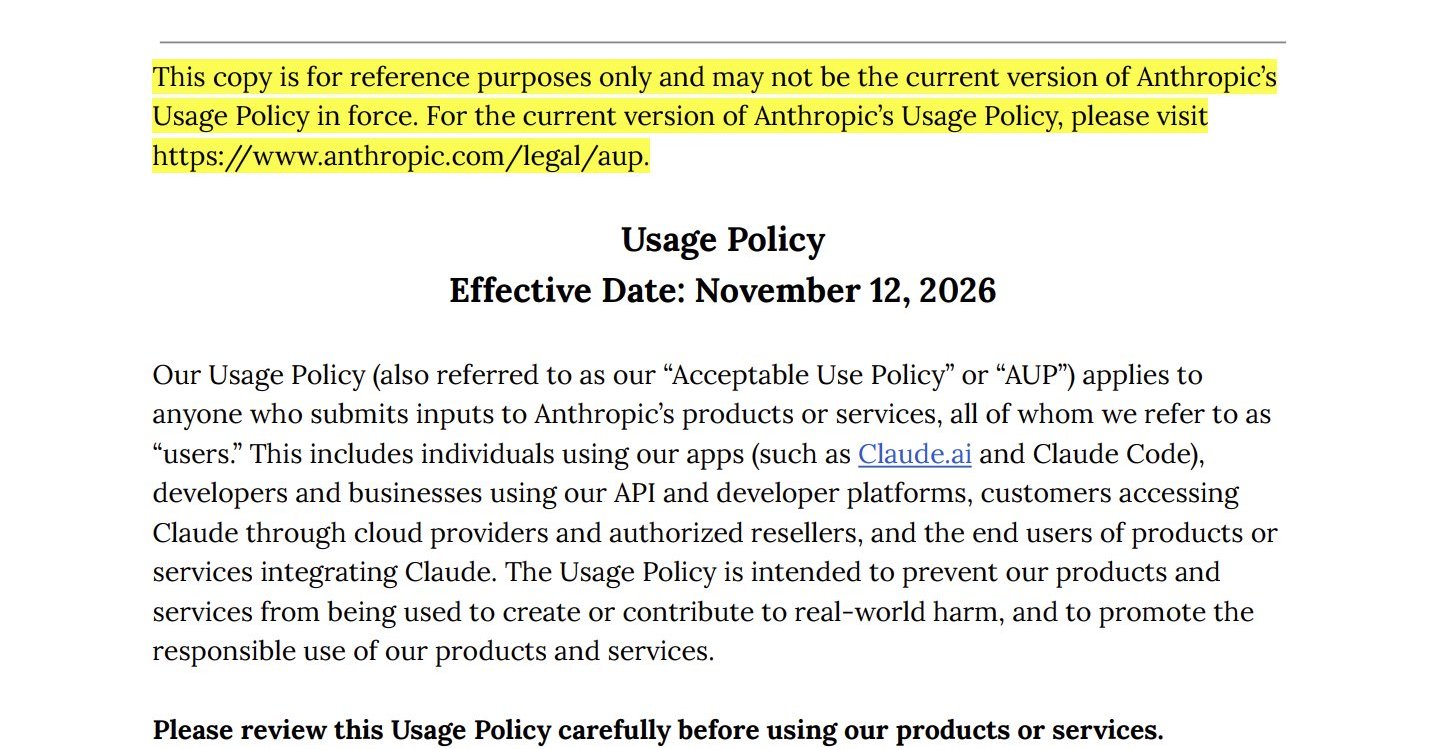
Anthropic published a revised Usage Policy for Claude on October 8, effective November 12
Zeta Global introduced AthenaOS, an AI operating system for marketing and enterprise workflows, entering beta…

The engineer ran Claude Code headless, one process per stage, isolating each task in its own git worktree; of…

A ~260-line Node.js script hashes the current working files into a fingerprint, stores it in .git/review-stamp…
Instinct, a personal AI agent startup with reportedly 14 employees, announced on September 28, 2026 that it ra…

