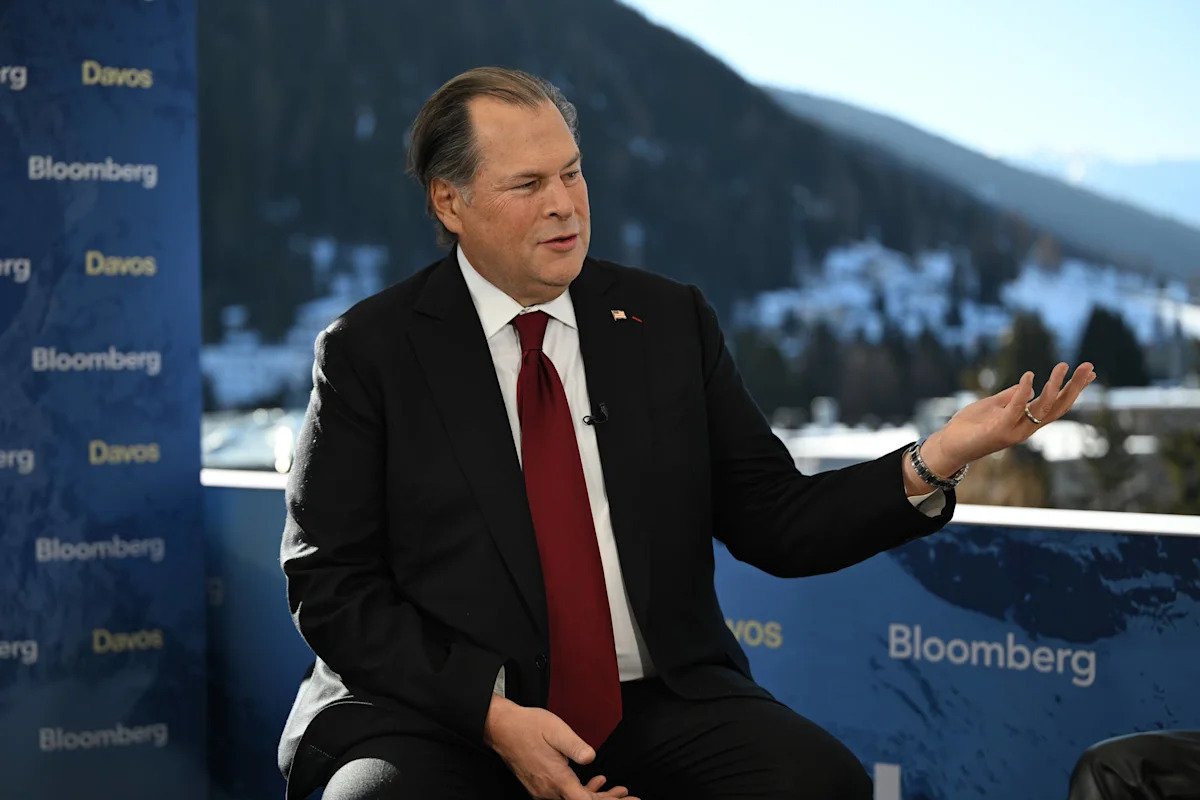
Two major research firms downgraded Salesforce on the same day because adoption of its flagship AI agent product, Agentforce, is progressing more slowly than public numbers suggest and the product is not yet mature. The shift threatens Salesforce's core business model: if AI agents do work that employees once did, customers may need fewer user licenses, potentially shrinking revenue instead of growing it.
Summaries like this, in your inbox every morning.
Sign up free →What happened
KeyBanc Capital Markets and Bernstein both downgraded Salesforce to Sector Weight on July 9, citing slower-than-expected adoption of Agentforce, the company's AI agent platform. The stock fell roughly 3% to 4% at its low before steadying the next day.
Why it matters
Agentforce is central to Salesforce's growth strategy for the next decade, but analysts found that customers do not have data organized well enough for real AI work yet, and the product itself 'just isn't there' as a finished offering. A survey of chief information officers also showed more plan to trim Salesforce spending than raise it over the next year.
What to watch
Salesforce has charged customers per user for 25 years, but now wants to shift to charging for work agents complete instead of headcount—a model still unproven at scale. If customers need months to prepare data before agents can run, revenue will arrive later than the company's bulls expect.
Salesforce faces a fundamental tension between its legacy business model and its AI future. For a quarter-century, the company has built predictable, growing revenue by charging customers per user license—a simple, scalable metric. But Agentforce is supposed to automate work that those users once did by hand. That creates a paradox: if the product succeeds and agents genuinely replace headcount, Salesforce's per-seat pricing collapses, and the company must reinvent how it captures value.
The dual downgrade on July 9 signals that Wall Street now believes Salesforce has underestimated how long this transition will take. Analysts point to two concrete barriers. First, customers cannot yet deploy agents effectively because their internal data is too messy and poorly organized—a prerequisite Salesforce cannot solve for them. Second, the company's new pricing model (charging for agent work rather than seats) remains unproven. KeyBanc analyst Jackson Ader summed up the skepticism bluntly: the only reason to buy the stock now is that it's cheap. Both firms also noted that chief information officers—the executives with software budget authority—are more inclined to reduce spending on Salesforce than increase it, a vote of no-confidence in near-term returns.
No comments yet. Be the first to share your thoughts!
Log in to join the discussion





Get curated AI news from 200+ sources delivered daily to your inbox. Free to use.
Get Started FreeFree · takes 30 seconds · unsubscribe anytime
1 minute a day. The AI essentials.
200+ sources · Email / LINE / Slack
