What happened
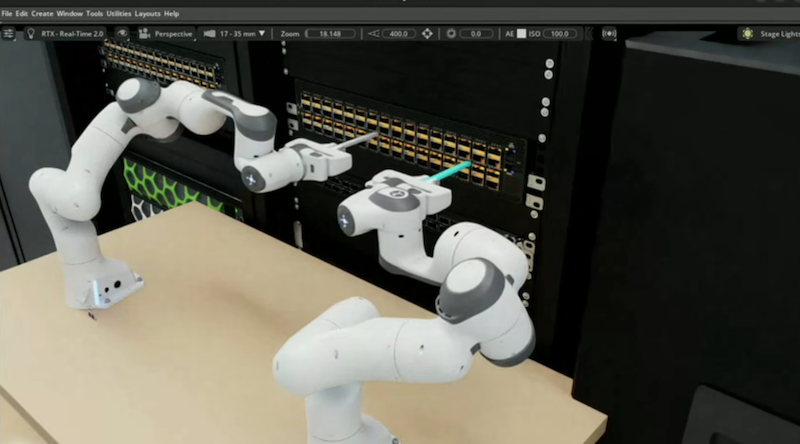
DataraAI is developing robotic arms to route cables, seat connectors and handle wiring harnesses in AI server and rack assembly, and has joined Arm Total Design for Physical AI.
Why it matters
Cabling is described as a bottleneck where thousands of connections may still be done by hand, so automating it could speed up rack output for manufacturers, though no vendor has proven the task on their hardware.
What to watch
DataraAI says it calibrates against a manufacturer's rack and connectors before any purchase, so the test is whether that approach holds on real production lines. Watch its work with Arm's Robotics Capability Framework.
WHO IT HITSThis lands on manufacturing and production engineers who assemble AI servers and racks, and on the procurement teams weighing whether to commit capital to automate a cabling task that is still largely manual.
Summaries like this, in your inbox every morning.
DataraAI is a California-based company focused on simulation and training data for manufacturing automation, especially AI server and rack assembly and tasks involving deformable components and physical contact. Its current effort targets the cabling stage, where cables change shape as they are manipulated and successful connections can be difficult to verify visually. DataraAI says cabling can become a bottleneck because thousands of connections may still be routed and terminated manually even when other parts of the process are already automated.
Rather than generating a simulated environment first and then transferring a robot's learned behavior to the physical line, DataraAI calibrates its simulations using data collected from real operations, including RGB-D vision, force and torque measurements, tactile sensing and motion data. This is intended to address the so-called Sim2Real gap, where robotic systems that perform well in simulation run into trouble with the physical variability of real components and environments. For cable insertion, vision can locate the cable and connector, while force and tactile information can help establish whether the connector has actually been seated correctly. CEO and founder Durgesh Srivastava argues that self-driving technology reached autonomy by driving real miles and building the simulator from them, and that industrial manufacturing needs the same order of operations. He adds that rack output is gated at the cabling station and that manufacturers are asked to commit capital to automate a task no vendor has proven on their hardware.
The company has joined Arm Total Design for Physical AI, an ecosystem spanning AI models, software, sensors, silicon and development tools, and is working with Arm on its Robotics Capability Framework, an initiative to establish a common way of describing and comparing robotic system capabilities. Arm's Dermot O’Driscoll says scaling physical AI from innovation to production requires systems that operate reliably in real-world complexity and variability, and that DataraAI brings simulation accuracy expertise toward that goal. The stakes appear to hinge on whether DataraAI's calibration-first approach holds on a manufacturer's own rack and connectors before any purchase, since the value case rests on proving the task on real hardware. For production and procurement teams, that proof point, rather than simulation results alone, is likely to determine whether cabling automation moves from pilot to capital commitment.
Pick your industry and the AI tools you use, and get news related to your work every day.
Free · 30 seconds with Google · unsubscribe anytimeWhat is AIToday? →
Ask AI anything about this article. The AI reads this article, earlier AIToday articles, and Wikipedia, and cites its sources. Q&As are published on this page for other readers too.
Toyota Motor's Japan Mobility Show Bizweek 2026 booth centers on its AI basketball robot CUE7, has no other ex…
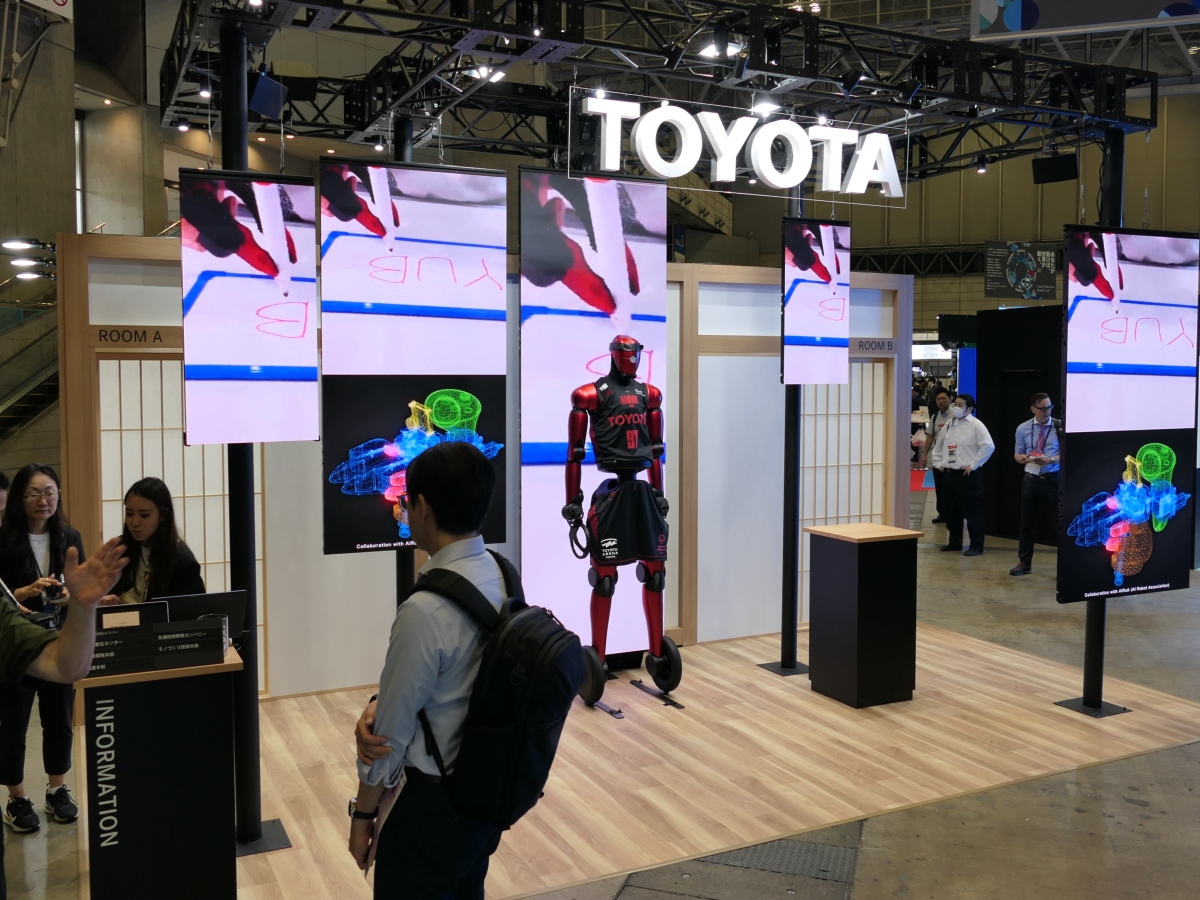
Japan Mobility Show Bizweek 2026 showcased Physical AI applications, including Toyota's basketball-playing rob…
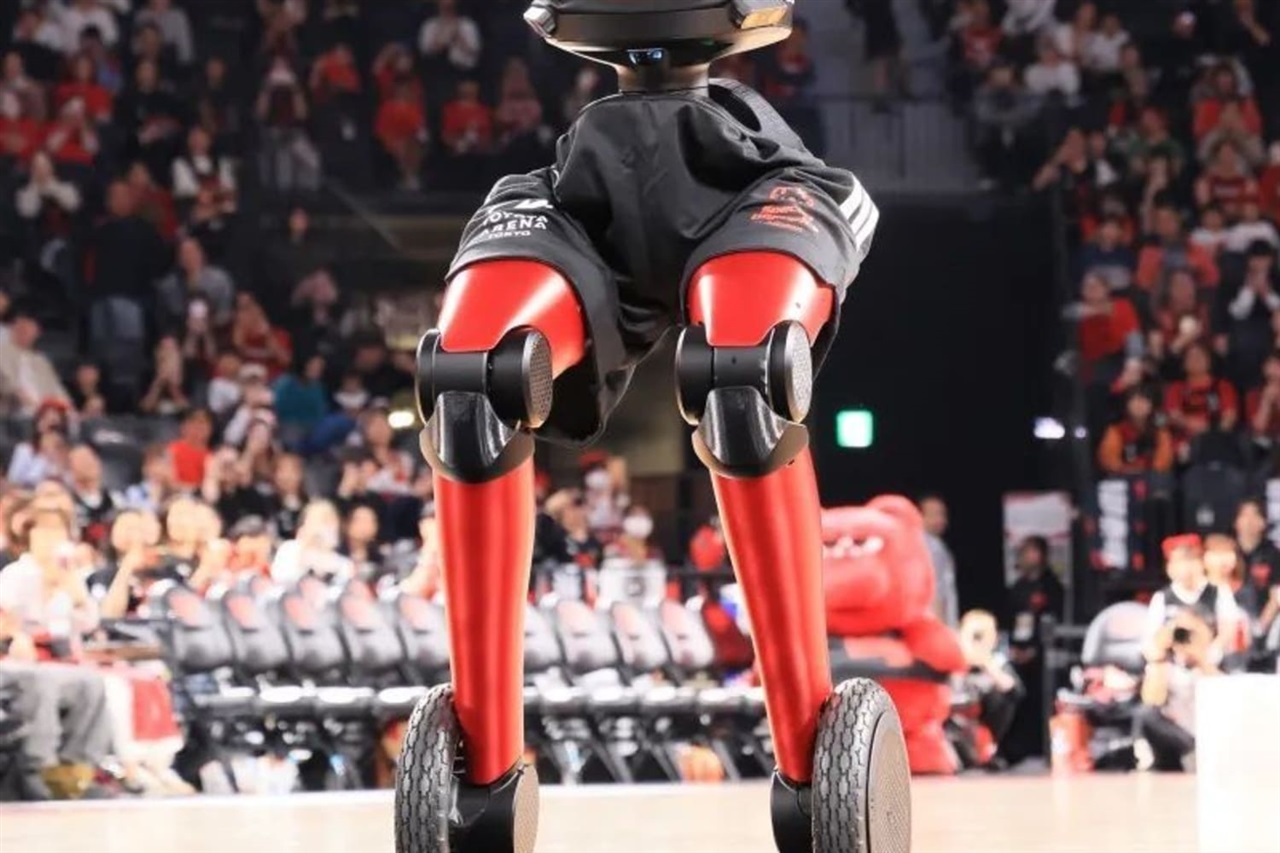
Google pitched Gemini 4 Argon as one model for robot control, simulation and training-data review, saying it s…
Researcher Sammy Azdoufal discovered Energize Lab's Eiliko robot stores 13 million conversations from 68,000 t…
ZOZO NEXT and AVITA signed an MOU on joint research into textiles and clothing specialized for humanoid robots…

Day 2 at TechCrunch Disrupt 2026 in San Francisco's Moscone West features speakers from Nvidia, Waabi, Flock S…