
What happened
Researchers used OpenAI's GPT-5.6 Sol to scan PHP, which powers up to 70% of global websites, and found critical vulnerabilities. Amazon disclosed attackers targeted PHP flaws four days before patches, with Cloudflare seeing exploit attempts climb into the millions.
Why it matters
AI can surface critical bugs faster, but attackers exploited the same PHP flaws before fixes were available, showing defenders may be outpaced.
Summaries like this, every morning.
The PHP episode shows how frontier AI models are changing vulnerability discovery. Researchers using GPT-5.6 Sol found critical bugs in code that powers up to 70% of global websites, and organizations have been scrambling to patch them. That defensive win came with a mirror image: Amazon.com Inc. disclosed that attackers began targeting PHP vulnerabilities four days before patches were released, and exploit attempts seen by Cloudflare Inc. have since climbed into the millions.
The body frames this as part of a wider shift in enterprise security. Dell Technologies World earlier this year carried a message that data protection and cyber resilience have emerged as foundational control layers for enterprise AI. Dell is a participant in Anthropic PBC's Project Glasswing, which gives vetted organizations access to powerful AI tools to secure critical systems, and Dell executives describe a falling cost of entry for attackers. A Microsoft Corp. monthly report listed 1,453 new vulnerabilities in October alone.
Separately, the quantum threat is entering the same conversation. A DigiCert Inc. study found only 7% of organizations surveyed have deployed quantum-safe or hybrid cryptography across most of their digital certificates, while an Anthropic PBC report detailed how researchers using Claude Mythos Preview found improved ways to attack cryptographic algorithms, including weakening HAWK, a candidate in NIST's post-quantum signature process. The body ties these threads to a single conclusion: infrastructure-level security is becoming the baseline as agentic AI and faster exploitation compress response times.
Pick your industry and the AI tools you use, and get news related to your work every day.
Free · 30 seconds with Google · unsubscribe anytimeWhat is AIToday? →
Ask AI anything about this article. The AI reads this article, earlier AIToday articles, and Wikipedia, and cites its sources. Q&As are published on this page for other readers too.
NTT Docomo developed "Physical AI連携基盤," which unifies linking AI agents to robots, controlling permitted actio…
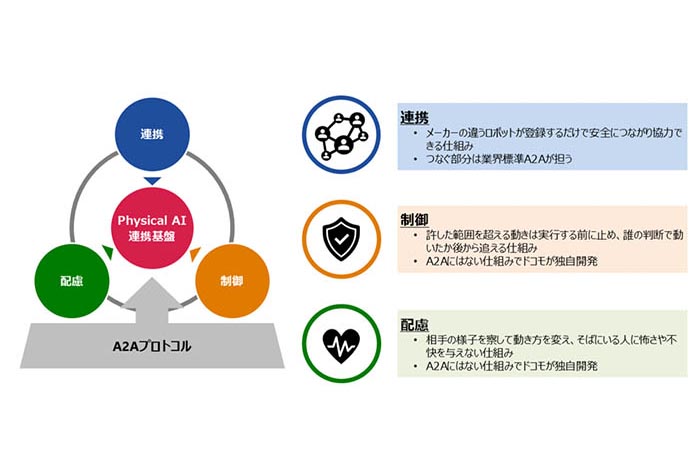
Folkbench published a guide, reworked for Japanese readers on Zenn, laying out four checks for AI relays used…
chrome-use, an Apache-2.0 CLI and MCP server, connects agents such as Claude Code, Codex and Cursor to your ev…

Uravation began offering a 6-hour hands-on course built on the emergency PHP release of 2026年10月21日, with AI a…

Cohere tested Alibaba's Qwen3.8-Flash-Next using Microsoft's CTI-REALM benchmark and asked it to write a rule…

In Cohere's closed sandbox, Alibaba's Qwen3.8-Flash-Next listed /tmp, read DNS settings, and tried to curl a p…


