
What happened
Folkbench published a guide, reworked for Japanese readers on Zenn, laying out four checks for AI relays used in coding: intact escaping and indentation, unbroken multi-turn tool calls, preserved cache_control and long context, and untouched system prompts.
Why it matters
The guide argues that a relay which re-encodes or reformats streamed output can deliver code that won't parse, and one that strips client optimization headers can force a full re-prefill after a one-line edit, so teams should test relays directly rather than assume they pass through requests unchanged.
Summaries like this, every morning.
The guide's starting point is a shift in what terminal-based coding agents such as Claude Code CLI and OpenAI Codex CLI expect from the infrastructure between them and the model. From a software-development view, Folkbench describes a relay not as a simple pipe but as an L7 proxy with a state-machine parser and a context scheduler, which is why the checks focus on what happens to the bytes and the request metadata rather than on network stability or load tolerance.
The four criteria follow from that framing. Escaping and indentation decide whether generated Python, YAML, or C++ arrives parseable, with the pass line set at byte-for-byte agreement with upstream output. Tool-call structure and multi-turn state decide whether an agent can keep calling read_file, edit_file, or run_terminal_command without JSON parse errors. Cache and long-context handling decide whether a one-line edit forces a costly re-prefill, tested with a 150k-token repository that hides a dependency between two distant files. System-prompt integrity is checked with packet capture, requiring that not a single byte changes.
The guide does not name specific relay vendors or report results from running these tests, so it functions as a checklist for teams to apply themselves. Folkbench says its model rankings and evaluation articles can be viewed without registration.
Pick your industry and the AI tools you use, and get news related to your work every day.
Free · 30 seconds with Google · unsubscribe anytimeWhat is AIToday? →
Ask AI anything about this article. The AI reads this article, earlier AIToday articles, and Wikipedia, and cites its sources. Q&As are published on this page for other readers too.
FlashLabs started offering Orca Connect for OrcaRouter, which adds local runtimes such as Ollama, vLLM and LM…

Anthropic's prospectus discloses SpaceX compute agreements of up to $120.5 billion through 2029, with monthly…

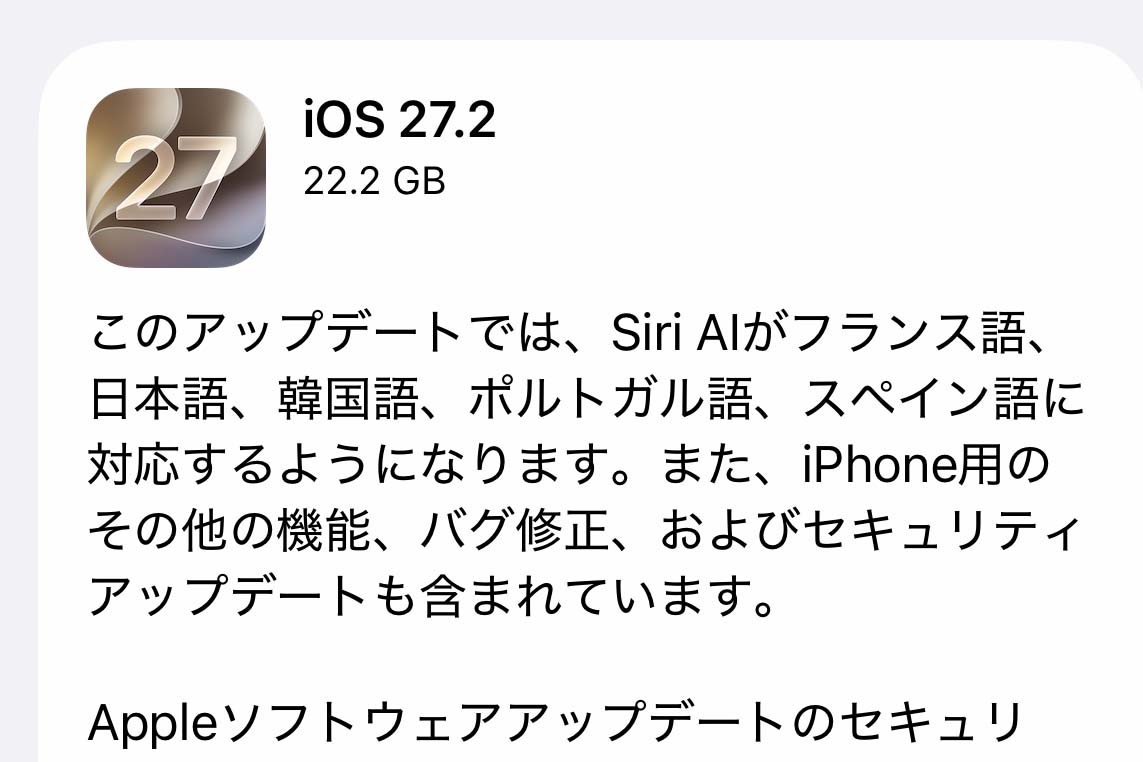
Apple released iOS 27.2, bringing Siri AI to iPhone 16 and later plus iPhone 15 Pro and Pro Max, with support…
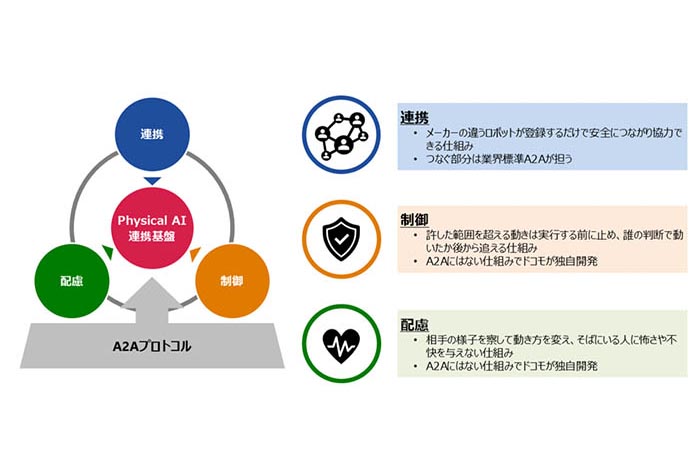
NTT Docomo developed "Physical AI連携基盤," which unifies linking AI agents to robots, controlling permitted actio…
chrome-use, an Apache-2.0 CLI and MCP server, connects agents such as Claude Code, Codex and Cursor to your ev…

On the morning of 10/27, the author's automated Threads posting stopped twice with "cannot confirm the Threads…