What happened
AI giants led by Mark Zuckerberg and Dario Amodei are borrowing more as rates climb, staying indifferent to the rising cost of money that normally cools spending.
Why it matters
Their borrowing runs against the Fed's effort to dampen the economy, and the central bank's main lever isn't working so far.
Summaries like this, in your inbox every morning.
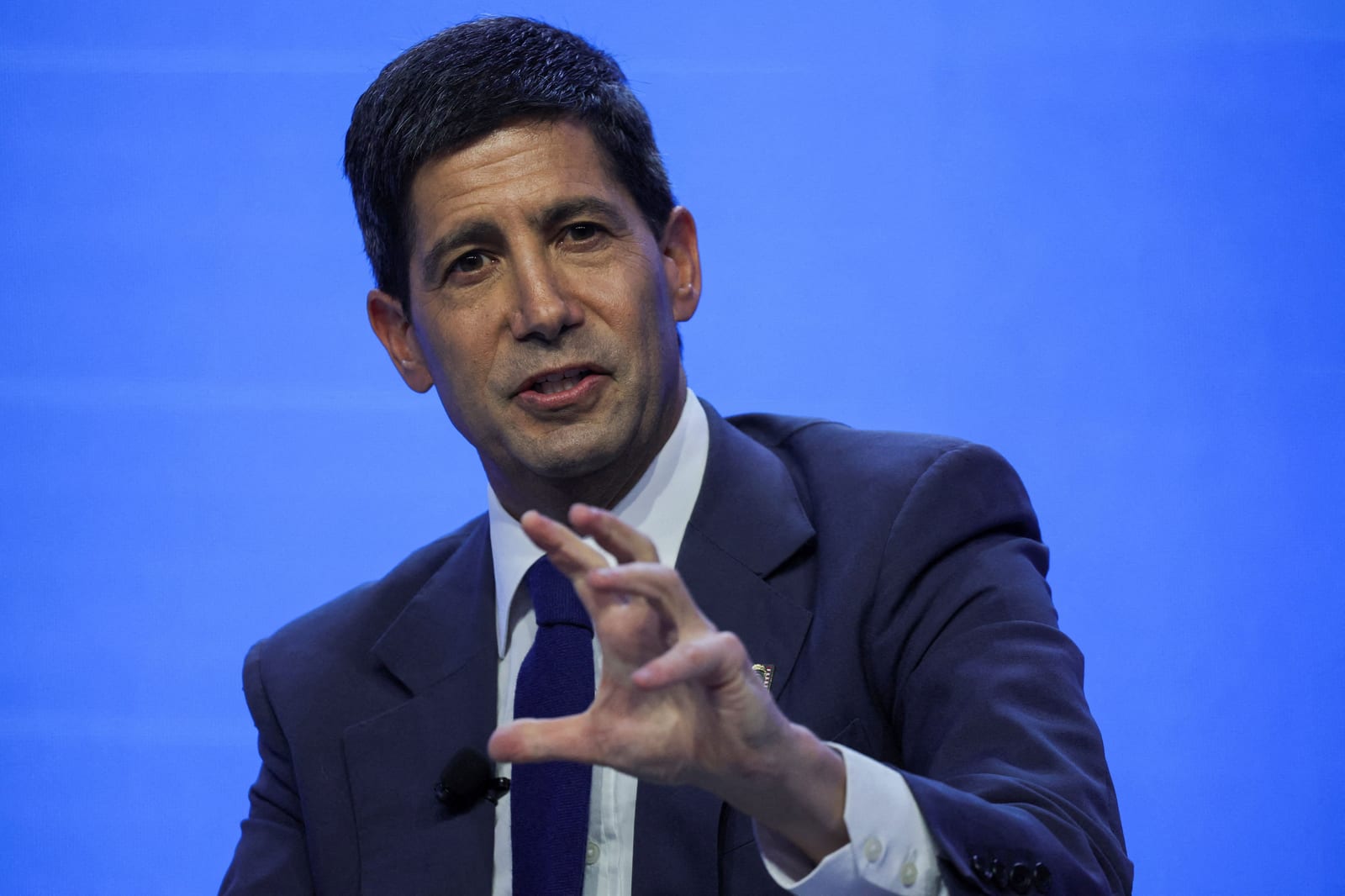
The tension is between two sets of actors who normally respond to the same price signal. The Federal Reserve raises rates to make borrowing more expensive, expecting spending to cool. The AI giants, personified by Mark Zuckerberg and Dario Amodei, treat borrowing as a means to an end that sits outside that calculation: securing superintelligence for the West and ushering in an age of intergalactic abundance. Because they believe customer spending on AI has only just begun, the coming revenue is seen as justifying the investment, and an extra 75 basis points of bond interest does not change that view. The result is that the Fed's main lever isn't working so far. Chicago Fed President Austan Goolsbee told the outlet last week that inflation is 'jumping out of its lane,' spreading from AI-linked sectors into unrelated parts of the economy — a description that ties the borrowing behavior directly to the central bank's difficulty. There is a credibility problem for both sides: if mortgages cost 15% while hyperscalers (large cloud providers) keep spending like there's no tomorrow, the public is likely to be angry at both the AI companies and the Fed.
Pick your industry and the AI tools you use, and get news related to your work every day.
Free · 30 seconds with Google · unsubscribe anytimeWhat is AIToday? →
Ask AI anything about this article. The AI reads this article, earlier AIToday articles, and Wikipedia, and cites its sources. Q&As are published on this page for other readers too.
OpenAI's models, including GPT-6 Astra, and its Codex coding agent will be available through Google Cloud's Mo…

Anthropic reportedly plans to spend $750 billion on adding compute capacity in the coming years, including hun…
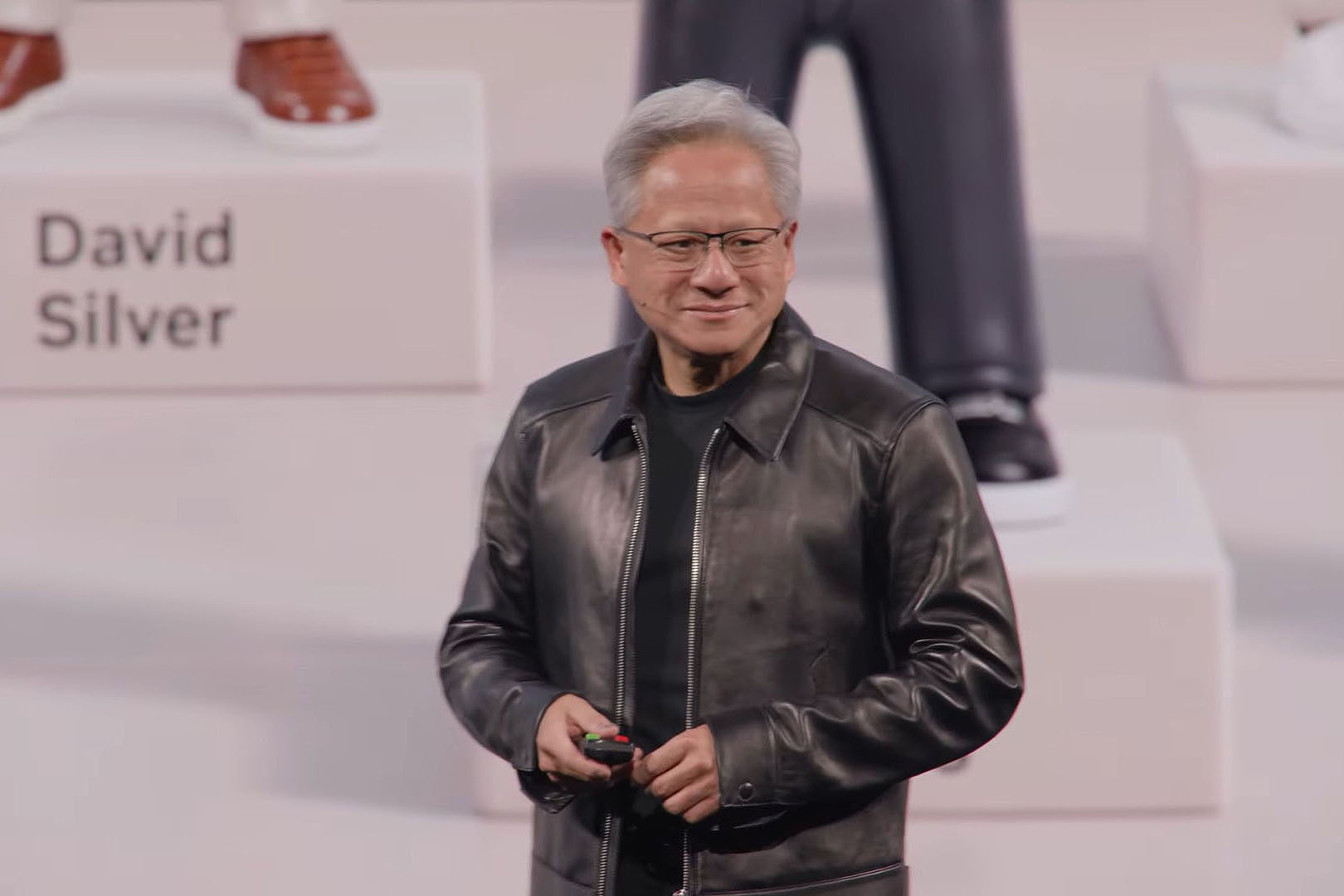
NVIDIA announced DSX POD, a modular AI factory pairing Vera Rubin systems with power, cooling and networking…
On held-out synthetic data (32 requests, 7 tasks), sending everything to an LLM cost about $0.15, versus $0.01…

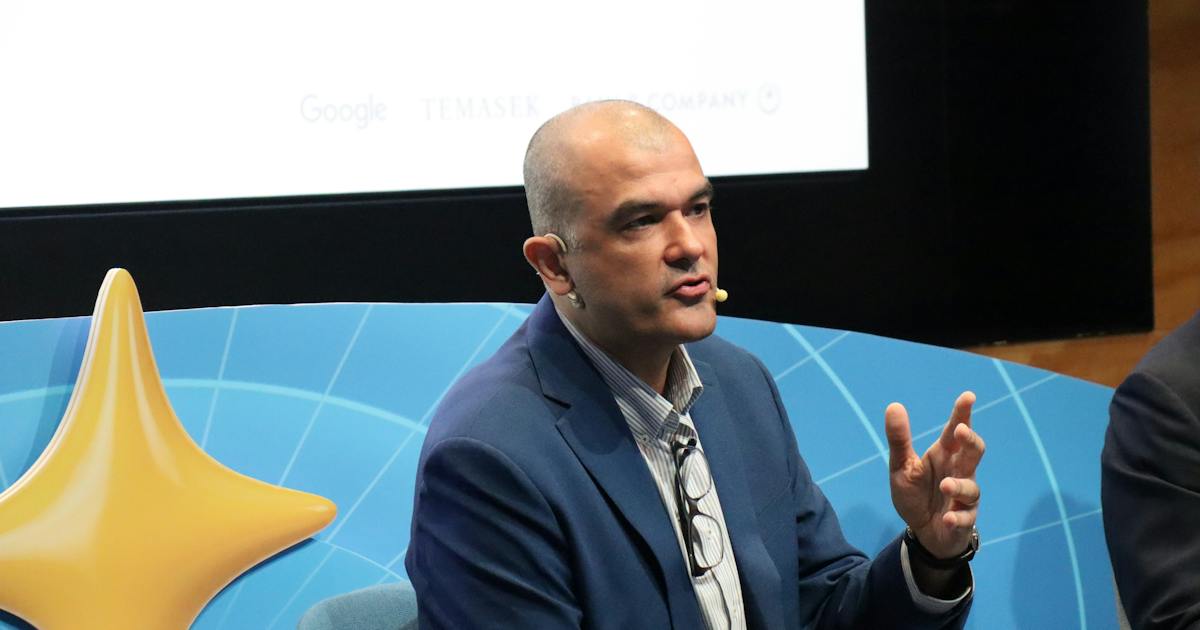
A survey conducted by Google and other parties found that 58% of respondents in Southeast Asia use generative…
OpenAI's venture arm and Peter Thiel's Founders Fund invested in Coherence Neuro, a startup developing a brain…