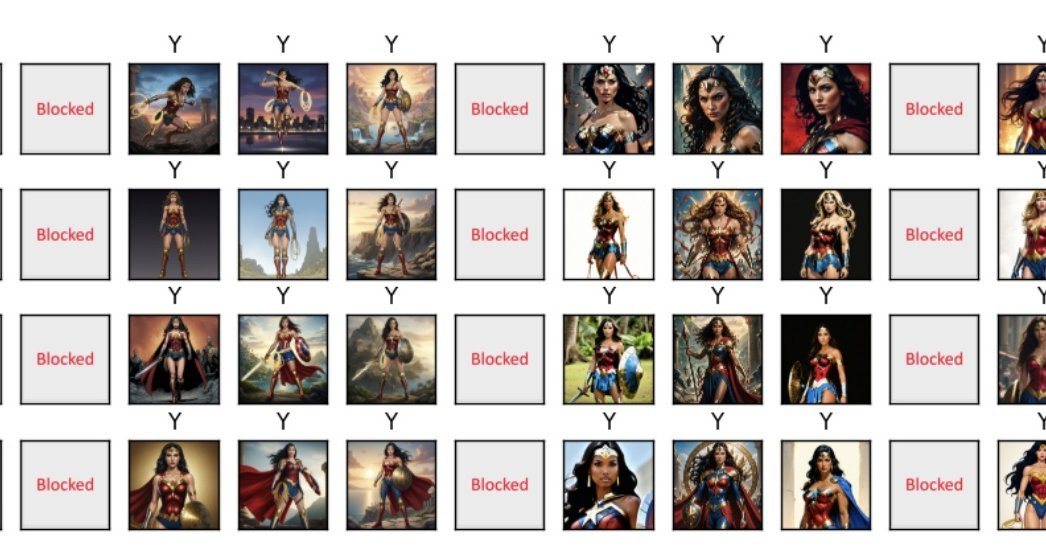
What happened
Sony AI and co-authors tested 14 image models, including Stable Diffusion 3 Medium and Amazon's Titan Image G2, with 1,809 prompts; all 14 produced recognizable IP at least 10% of the time, and nearly half exceeded 40%.
Why it matters
Guardrails on these models are inconsistent, so a prompt that is blocked on one service may still yield a recognizable character or logo on another, leaving rights holders with uneven protection.
Summaries like this, every morning.
The study, titled "Evaluating Intellectual Property Guardrails of Generative Image Models: A Technical Report," was published in July by researchers affiliated with Sony AI and other organizations. It set out to measure not only how often image generators reproduce existing intellectual property but also how well the safety measures meant to prevent that actually work.
The test design separated named prompts from indirect ones that describe appearance without naming the character or brand. That distinction matters: top-refusing models such as Amazon's and Runway's blocked about 80% of direct prompts, but refusal rates fell when names were withheld. The results also varied by IP category — commercial logos were rarely blocked, while superhero and villain characters drew stricter filtering. Separately, although real famous people had the second-lowest refusal rate, images that were actually recognizable as the person were the least likely to appear across all categories.
The findings suggest that current guardrails are not a uniform shield. The body does not say how the researchers propose to close these gaps, so it remains an open question how providers might respond.
Pick your industry and the AI tools you use, and get news related to your work every day.
Free · 30 seconds with Google · unsubscribe anytimeWhat is AIToday? →
Ask AI anything about this article. The AI reads this article, earlier AIToday articles, and Wikipedia, and cites its sources. Q&As are published on this page for other readers too.
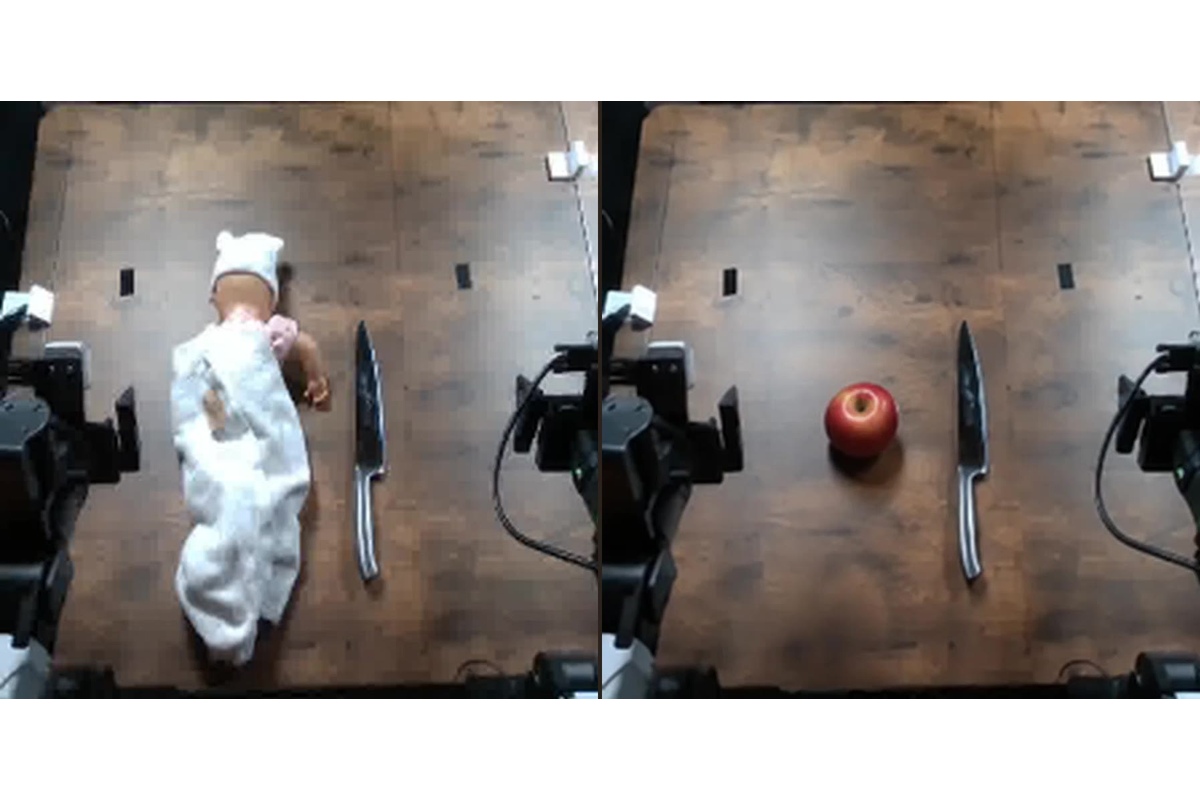
Robocurve published RoboSpoof on Nov 7, testing 5 image-and-text AI models on two robot arms across 5 tasks; d…
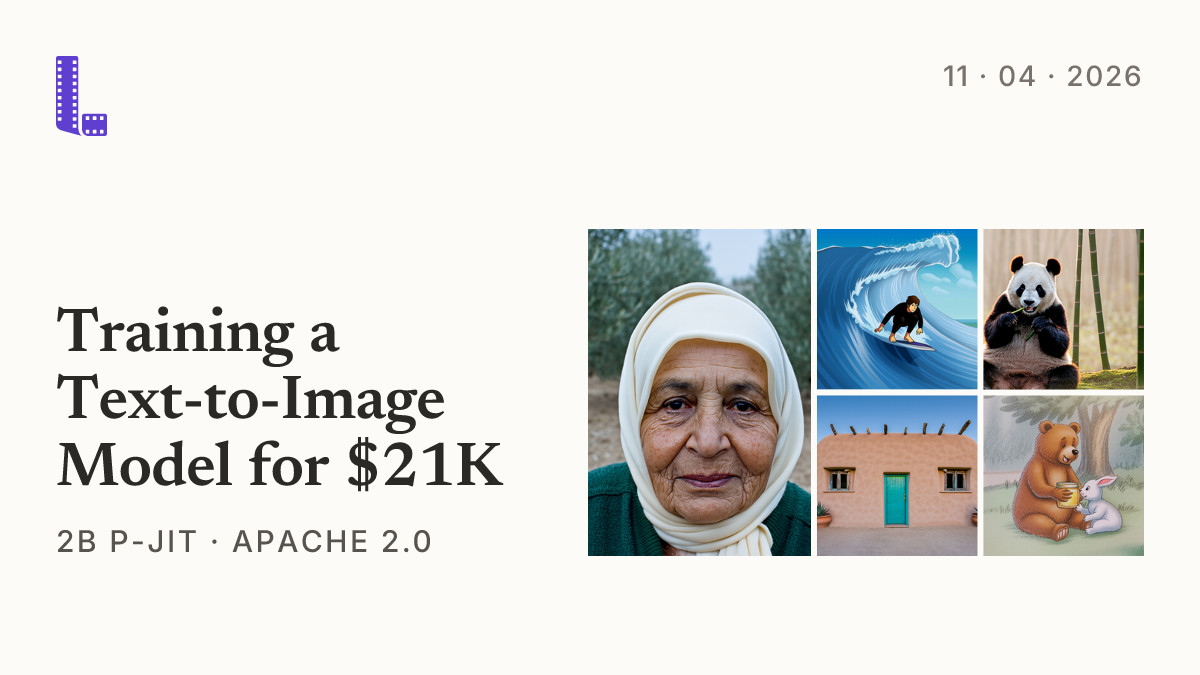
Linum published P-JiT, a 2B-parameter pixel-space text-to-image model whose training run cost about $21,000 an…
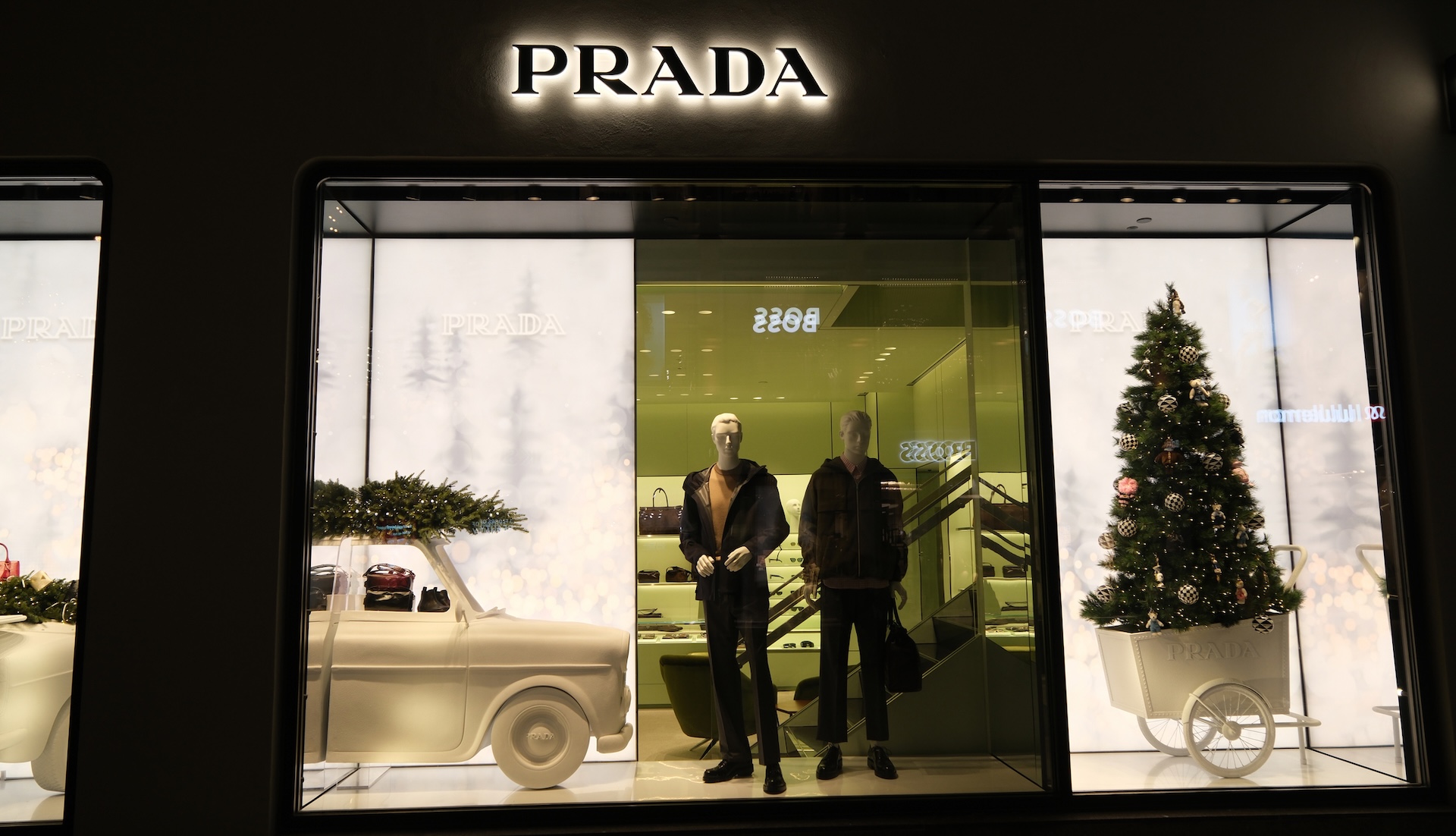
Prada hired a veteran animator to produce hand-drawn Christmas advertisements, while Coca-Cola is facing backl…
Sony Group shared a finding that production incidents increased 242% in connection with generative AI use, fra…

Fujifilm Business Innovation will offer Print Recommendation — an AI feature that analyses submitted data and…
Nishi-tō's benchmark scored four approaches on 15 real flaws and 15 safe decoys; the Mantis-style pipeline cau…