
In January 2026, US Defense Secretary Pete Hegseth demanded the Pentagon renegotiate its AI contracts to allow use within the vague category of 'any lawful use.' Anthropic, the only AI company approved to deploy its technology on classified Pentagon networks at that point, objected and sought to preserve two red lines: bans on domestic mass surveillance and on weapons that can identify, track, and kill targets with zero human involvement.
DOD Directive 3000.09, originally written in 2012, defines lethal autonomous weapons as systems that 'once activated, can select and engage targets without further intervention by an operator.' The directive requires both fully autonomous and semi-autonomous weapons to allow humans to 'exercise appropriate levels' of judgment over use of force—a standard that AI can undermine by compressing kill chains to mere seconds, making human assessment impractical.
The US military has backed AI development for decades, and in recent years AI has enabled more and faster killings than ever before. Project Maven, a Department of Defense initiative using AI to analyze drone surveillance footage, recruited Google by late 2017. Certain existing missile defense systems, like the Phalanx CIWS, may already operate autonomously in response to incoming threats, though experts debate whether such defensive systems meet the legal definition of lethal autonomous weapons.
Ask the AI about this article →
For example, today's edition would include:
AI-summarized, only the topics you pick — one digest a day via Email, Slack, or Discord.
Free · takes 30 seconds · unsubscribe anytimeWhat is AIToday? →
Ask AI anything about this article. Q&As are published on this page for other readers too.
K-Safety Expo 2026 will be held at BEXCO in Busan from September 2–4, featuring AI, robots, sensors, and conne…

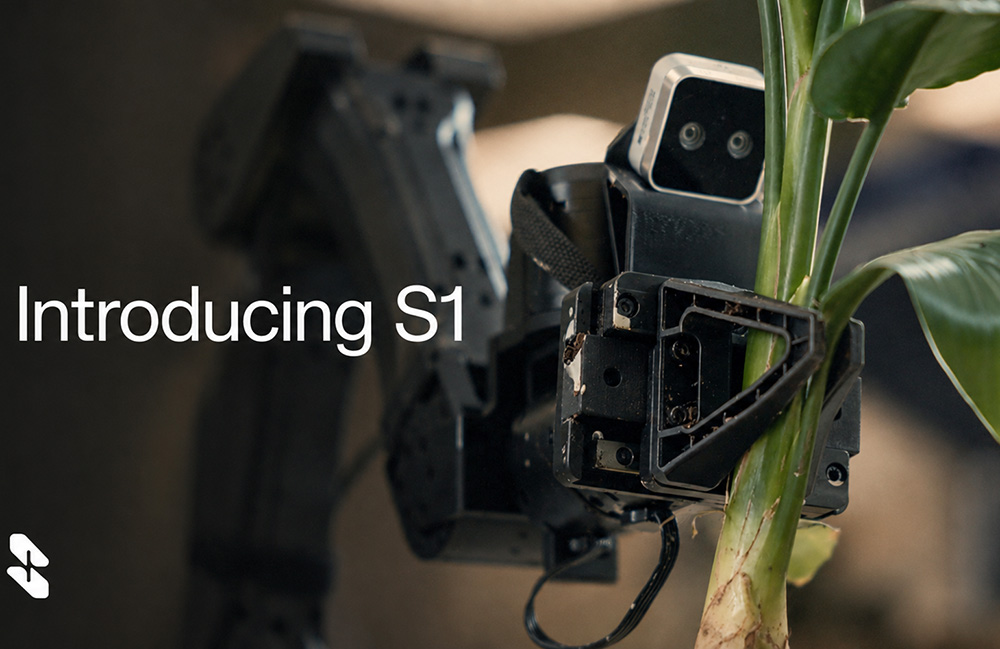
Skild AI has introduced S1, its flagship robot foundation model, which lets robots learn new, complex tasks by…
BHP, the world's largest mining company by market capitalization, has deployed AI across its operations

John Deere announced a three-year, $10 million research and development partnership with ag-tech company Reser…

On July 16, 2026, NVIDIA announced that 22 Japanese companies and organizations have expressed intent to join…
Panasonic HD has established a new AI and robotics research and development division, and CAIO Sakaba is leadi…