Jorjin Technology's chairman has identified optics as the most difficult technical barrier to overcome in developing smart glasses that combine artificial intelligence with spatial computing. He believes such smart glasses will be the next category-defining device after the smartphone, fundamentally reshaping how humans interact with computers rather than merely advancing hardware features.
Summaries like this, in your inbox every morning.
Sign up free →What happened
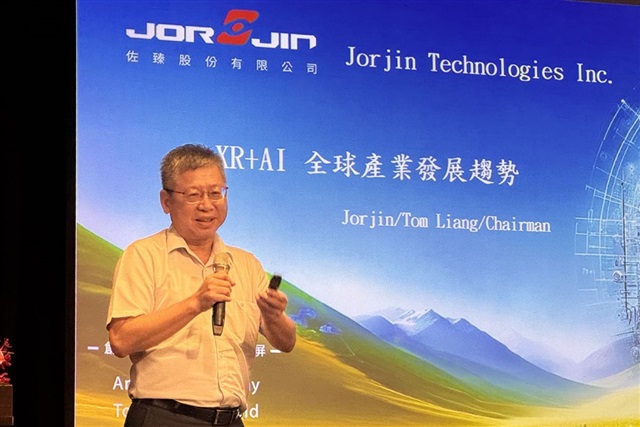
Jorjin Technology chairman Wen-lung Liang stated that optics remain the hardest technological challenge for smart glasses, and that smart glasses combining AI with spatial computing represent the next major shift in human-computer interaction.
Why it matters
Smart glasses are positioned to go beyond incremental hardware upgrades and trigger a fundamental change in how people interact with computers—a transition the Jorjin chairman compares to the smartphone's historical impact.
What to watch
The optical engineering challenge Liang identified as the core bottleneck will likely shape which companies and suppliers can deliver viable smart glasses products to market.
Jorjin Technology chairman Wen-lung Liang has publicly stated his conviction that smart glasses integrating artificial intelligence and spatial computing represent the next generation of computing devices—what he characterizes as "smartphone-killers." Unlike incremental upgrades to existing hardware categories, Liang believes these devices will catalyze a far-reaching revolution in human-computer interaction (HCI). The central technical barrier he identified is optics—the optical subsystems that form the core of smart glasses displays and visual functionality. This assessment suggests that solving the optical engineering challenge is essential before smart glasses can deliver on their potential as a transformative computing platform.
Jorjin Technology chairman Wen-lung Liang's assessment places optics engineering at the center of the smart glasses development challenge. Rather than treating smart glasses as an iterative hardware improvement, Liang frames them as a transformational technology category comparable to the smartphone's historical disruption—one that will reshape human-computer interaction fundamentally. The emphasis on optics as the binding constraint suggests that companies able to solve this specific problem may unlock a significant market advantage, as display and lens technology directly affects form factor, user comfort, and the feasibility of the spatial computing experiences AI could enable.
AI-summarized, only the topics you pick — one digest a day via Email, Slack, or Discord.
Free · takes 30 seconds · unsubscribe anytime
No comments yet. Be the first to share your thoughts!
Log in to join the discussion


Get curated AI news from 200+ sources delivered daily to your inbox. Free to use.
Get Started FreeFree · takes 30 seconds · unsubscribe anytime