
Microsoft integrated CodeAct—a technique that combines multiple AI tool calls into executable code—into its Agent Framework. Instead of an AI agent asking for permission after each step (like 'should I fetch this data?' then 'should I process it?' then 'should I save it?'), CodeAct lets it plan and execute the full sequence in a single request to the AI model.
This cuts latency and token usage (the input/output units that AI services charge for). When an agent previously needed 10 separate model calls, CodeAct can collapse that into 1. For users, this means faster responses, lower API bills, and fewer seconds waiting for an answer.
Teams building AI assistants for customer service, data analysis, or automation can now build faster, cheaper bots. Developers can access this in the open-source Semantic Kernel framework without waiting—meaning startups and enterprises building internal agents can deploy tighter, more cost-effective tools immediately.
Ask the AI about this article →
For example, today's edition would include:
AI-summarized, only the topics you pick — one digest a day via Email, Slack, or Discord.
Free · takes 30 seconds · unsubscribe anytimeWhat is AIToday? →
Ask AI anything about this article. Q&As are published on this page for other readers too.
Anthropic announced Claude Fable 5.1 and Claude Mythos 5.1 on September 1
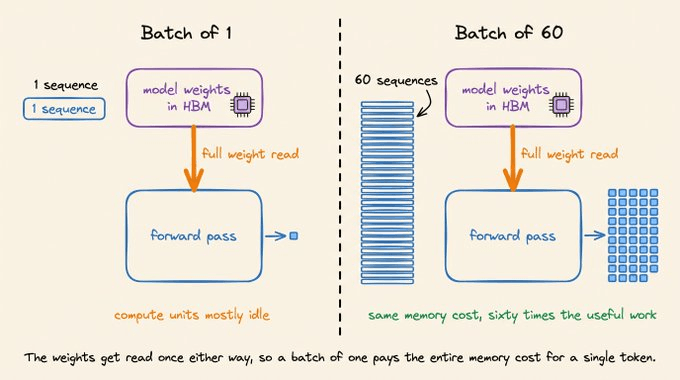
A technical explainer compares three LLM serving strategies—static, dynamic, and continuous batching
Anthropic's latest model, Claude Fable 5.1, is now available on Snowflake Cortex AI

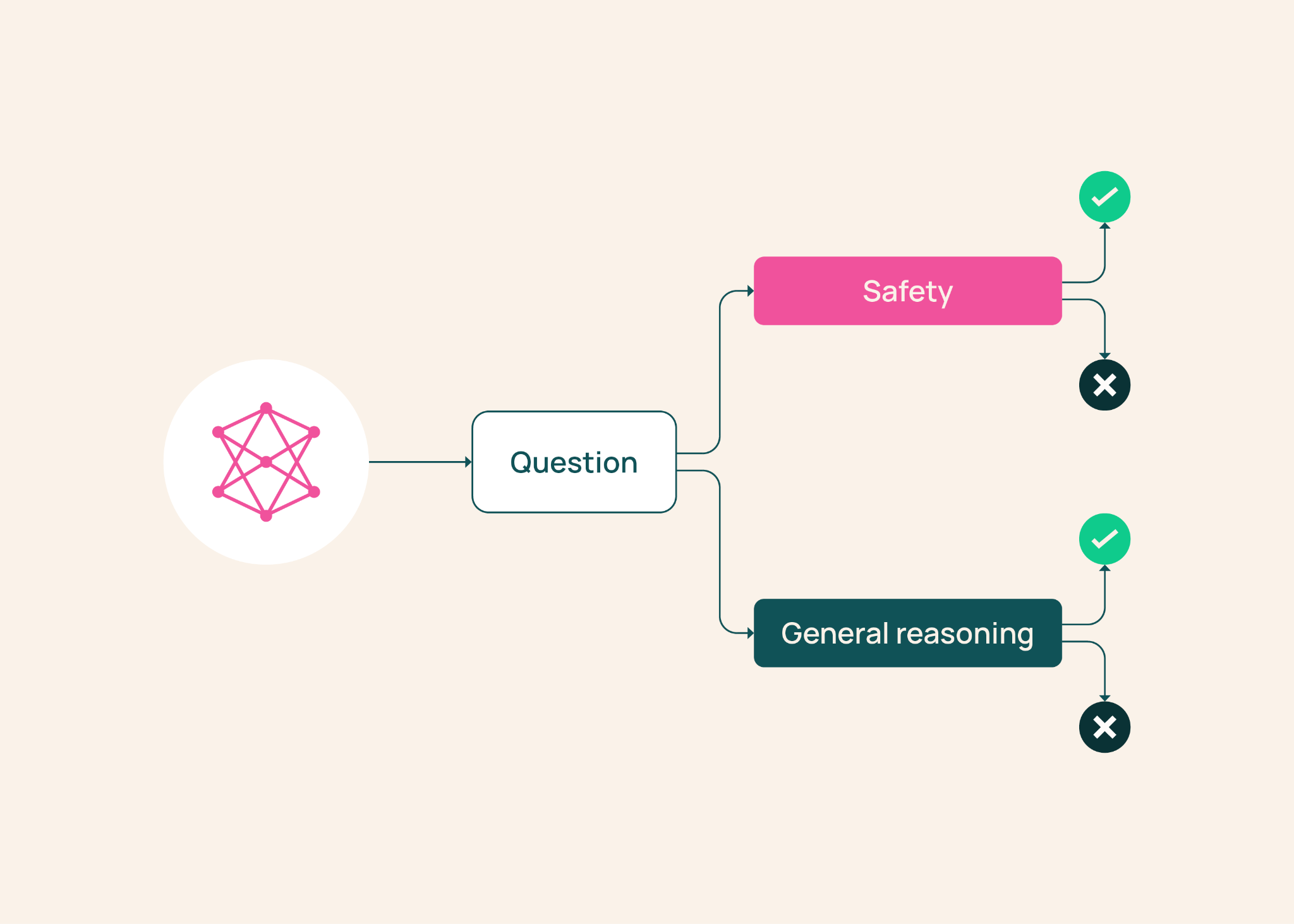
The Allen Institute for AI released BenchMIRT, a method to audit AI benchmarks question-by-question
Google has reportedly approached major studios like Disney, Warner Bros

OpenAI shared new details on its forthcoming Astra model, which the company says is the first large language m…