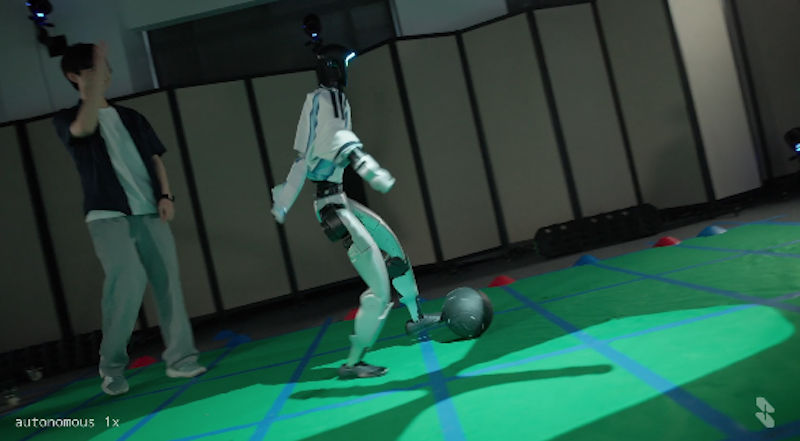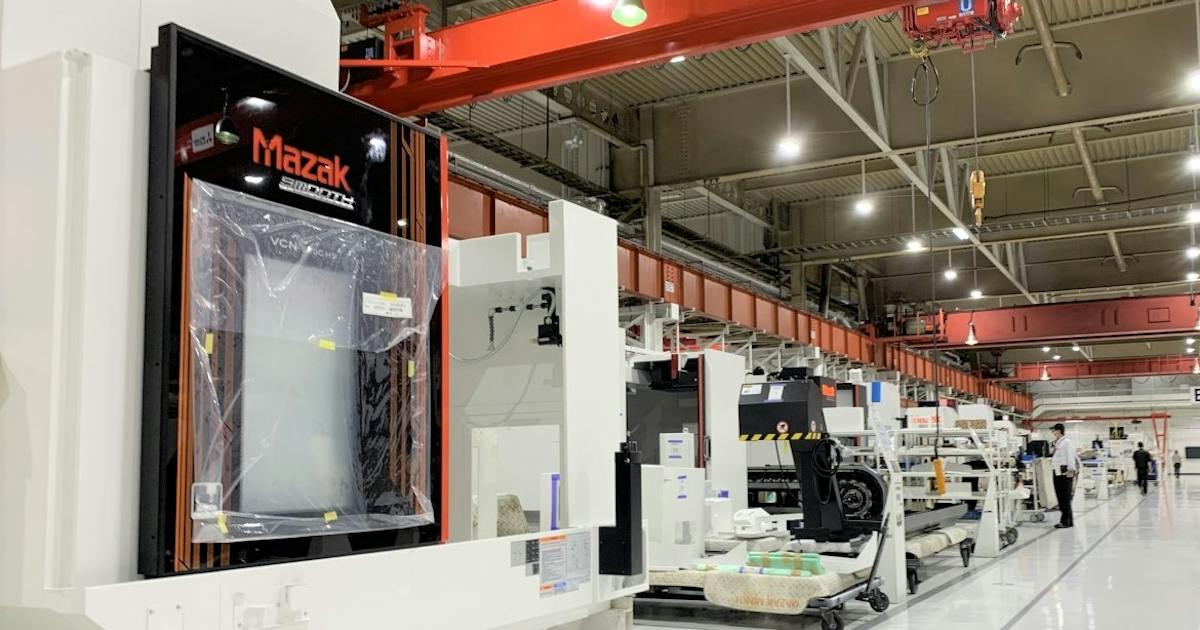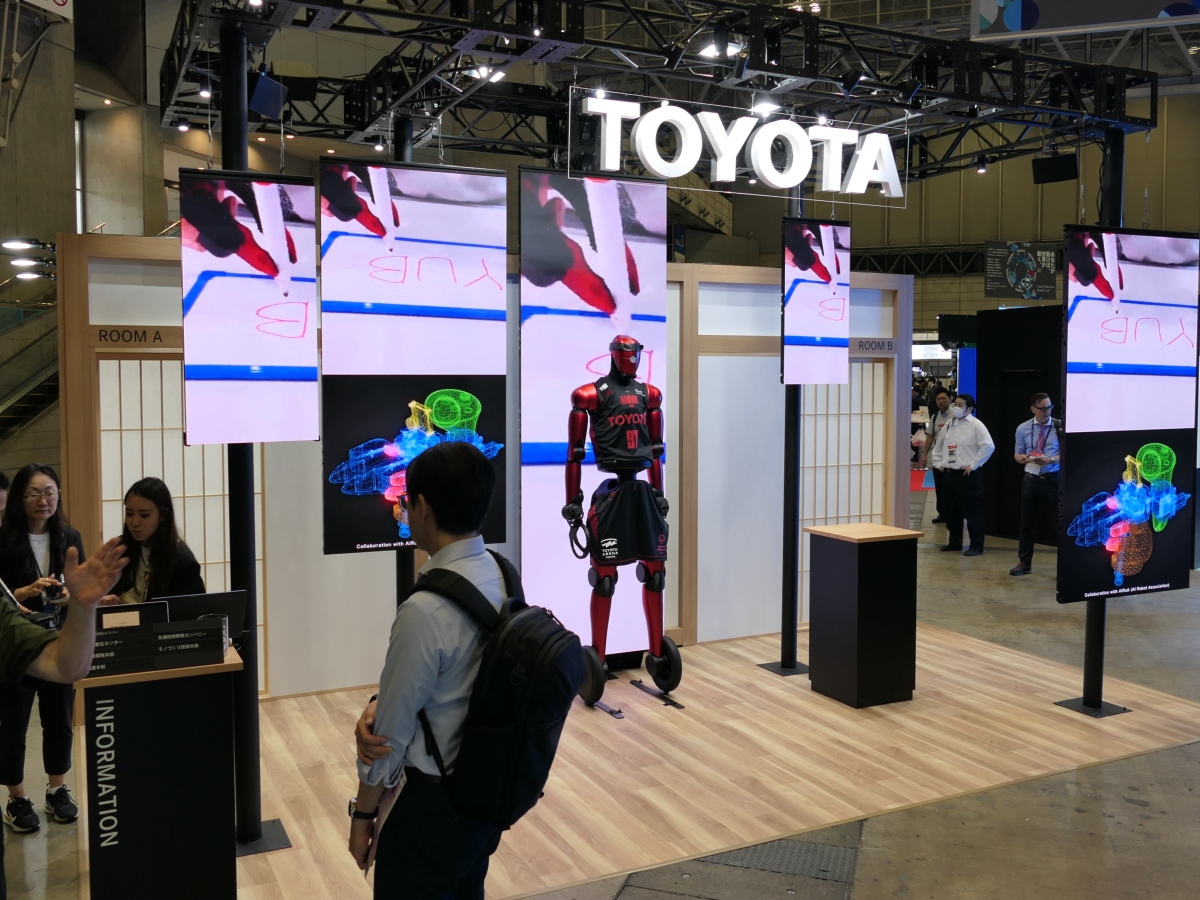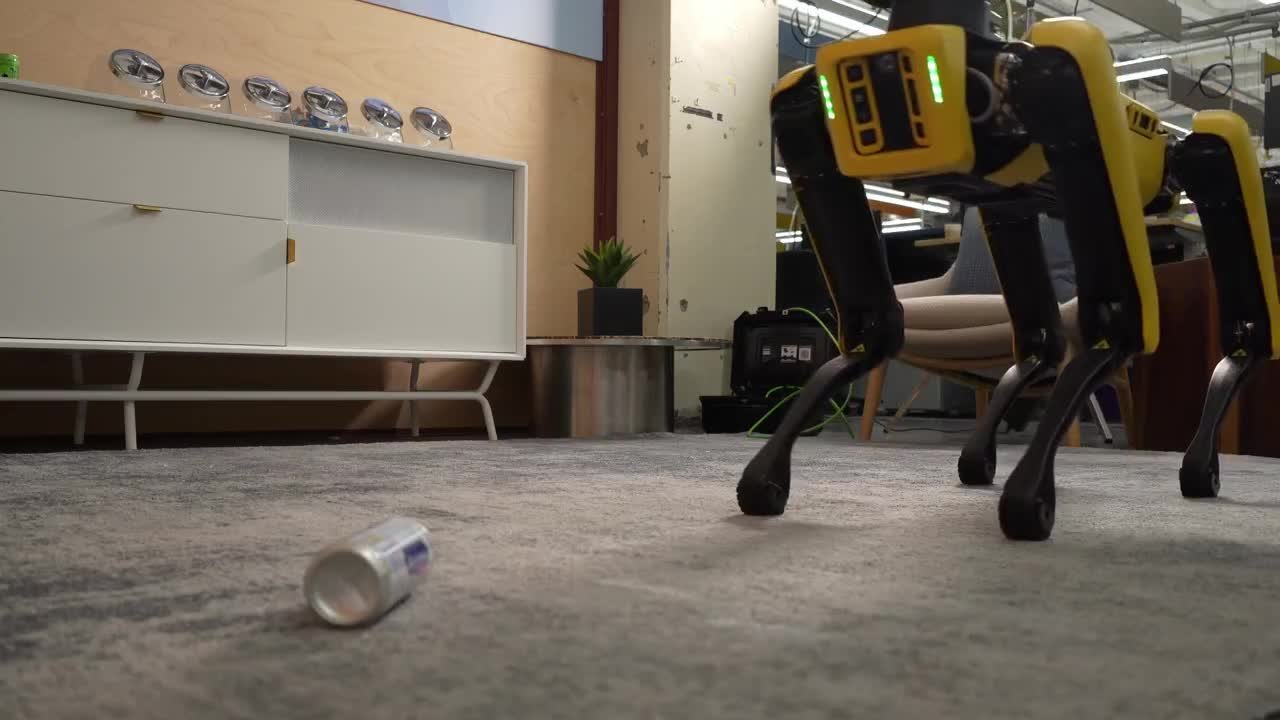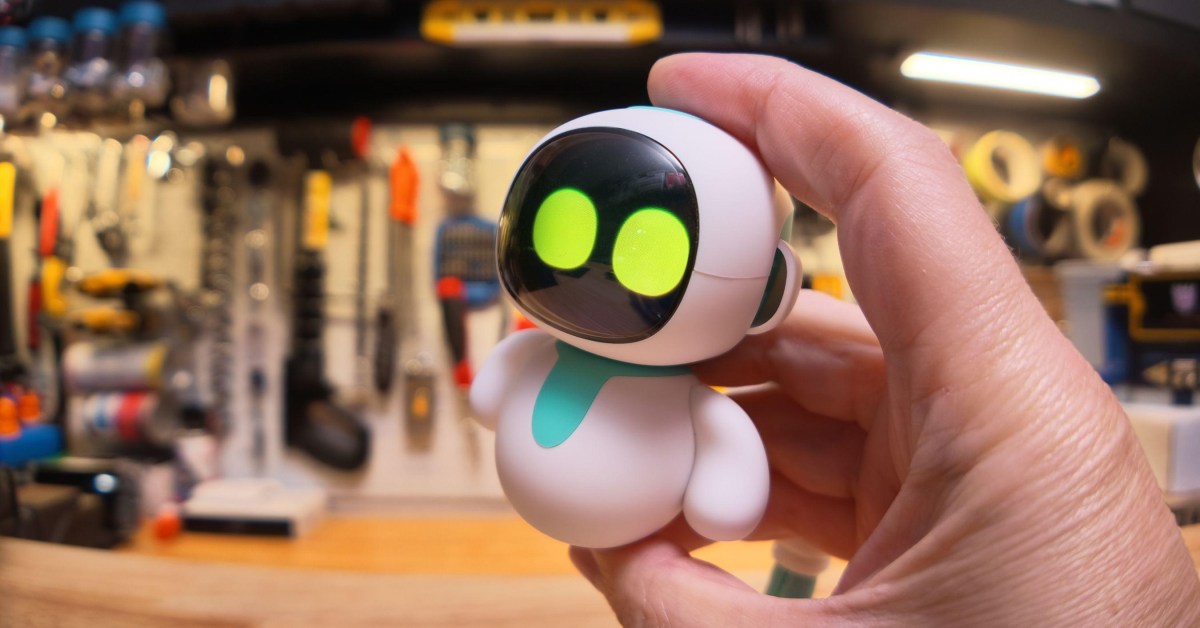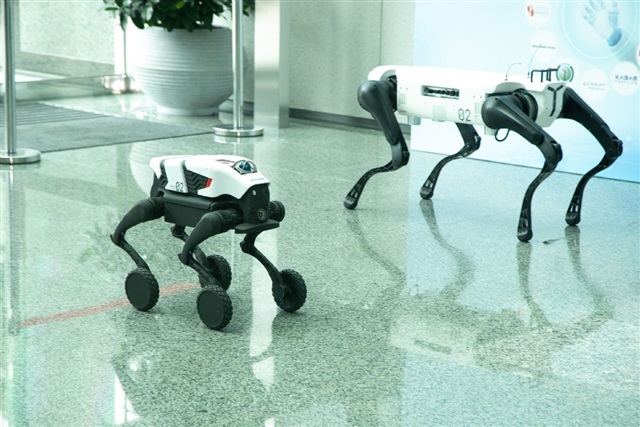
Cloud AI chip giants are stepping up investment in robot applications, placing robots at the center of industry strategy. For Taiwanese chipmakers, this broad expansion into robot use cases represents a major new strategic focus, contrasting with narrower historical priorities.
Summaries like this, in your inbox every morning.
Sign up free →What happened
Cloud AI chip giants are increasing investment in robot applications, making robots a central focus of industry debate. For Taiwanese chipmakers, the broad range of robot use cases is becoming a major strategic priority.
Why it matters
The shift signals that AI chip demand is diversifying beyond data centers into physical robotics—a field where Taiwan's chip manufacturers see significant growth opportunity and competitive advantage.
What to watch
How Taiwanese chipmakers adapt their product roadmaps and manufacturing capacity to serve the emerging robot market alongside their existing cloud AI business.
Cloud AI chip giants—the dominant players who power large language models and data center operations—are escalating their investment in robot applications. This move places robots squarely at the center of industry discussion and strategic planning. The article indicates that this is a meaningful reorientation of priorities: for Taiwanese chipmakers, the emergence of a broad and diversified set of robot use cases has become a major strategic focus. This contrasts with their previous, narrower range of priorities, suggesting that robotics applications represent a departure from earlier industry consensus. By repositioning themselves to serve the robotics market, Taiwanese chipmakers are preparing to capture demand from a new category of AI-driven hardware that extends far beyond traditional cloud infrastructure and data center applications.
The article signals a turning point in AI chip strategy: the industry's giants are redirecting investment toward robotics applications, moving beyond the data-center-centric model that dominated recent years. For Taiwan's chip manufacturers, this diversification into robot use cases represents both an opportunity and a strategic imperative. The article frames this as a deliberate pivot, suggesting that Taiwanese chipmakers view the robot market as a high-priority sector with significant upside, in contrast to their historical focus on narrower applications. This shift reflects broader recognition within the industry that AI's economic value increasingly lies in physical systems and automation, not just inference and processing in the cloud.
AI-summarized, only the topics you pick — one digest a day via Email, Slack, or Discord.
Free · takes 30 seconds · unsubscribe anytime
No comments yet. Be the first to share your thoughts!
Log in to join the discussion


Get curated AI news from 200+ sources delivered daily to your inbox. Free to use.
Get Started FreeFree · takes 30 seconds · unsubscribe anytime