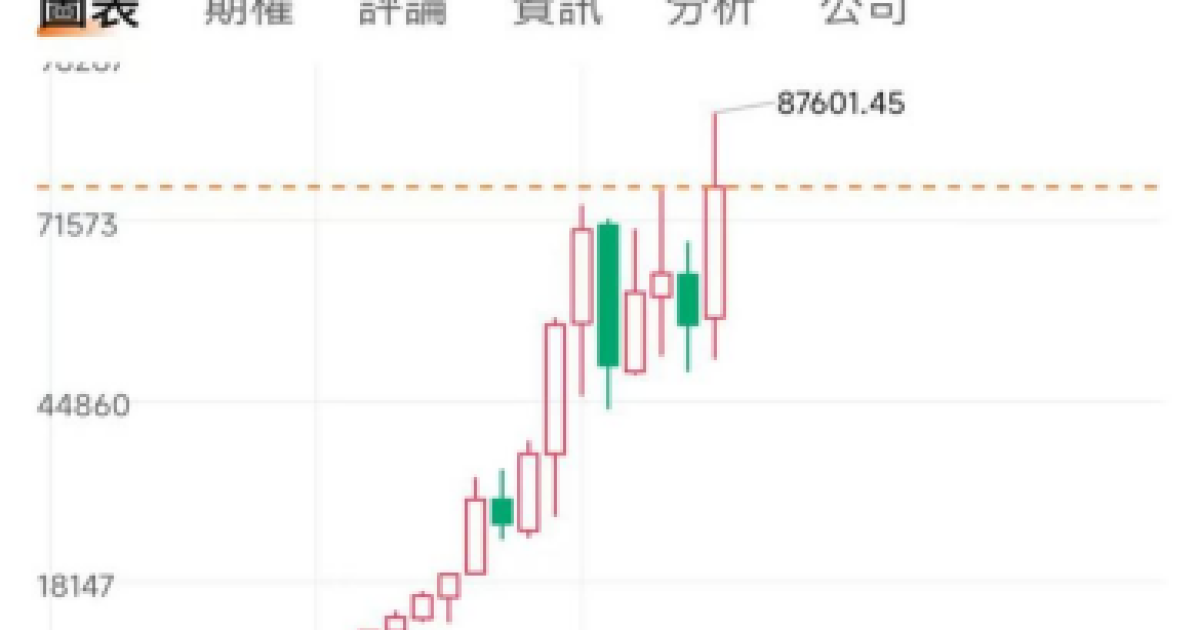
What happened
CAMSENSE (06802.HK), an AI spatial-positioning and sensor maker, IPO'd in Hong Kong; its prospectus shows a 35.9% three-year revenue CAGR, 614 million RMB revenue in 2025 and a swing to profit.
Why it matters
CAMSENSE's business model has moved into the black, suggesting its consumer-device sensing technology may be ready for wider commercial rollout in robots.
What to watch
CAMSENSE is still early stage, so large-scale commercialization in new fields hinges on how quickly robot makers move to mass production. Watch its Q1 2026 revenue of 196 million RMB and net profit of 7.757 million RMB.
WHO IT HITSHardware and robotics executives sourcing sensors for mobile robots, and investors tracking sensor suppliers, will be watching whether CAMSENSE's components win mass-production orders from robot makers.
Summaries like this, in your inbox every morning.
CAMSENSE's IPO gives public investors a way to back a supplier of the sensing layer that robots need. The company's pitch rests on building a reusable AI spatial-positioning system — hardware plus algorithms — that can be applied across many scenarios, from mowing robots to robot dogs and humanoids. That is a different bet from backing a single robot brand, and the prospectus suggests the model has already survived consumer-market trials.
CAMSENSE is not the only company built on this idea. The article compares it with Keyence, a Japanese sensor maker whose market value has exceeded $100 billion after decades of steady growth. The two target different arenas: Keyence serves fixed factory automation, while CAMSENSE serves mobile smart devices.
The article also notes that new product categories such as mowing robots, pool-cleaning robots and home-monitoring robots are moving toward mass production, and that CAMSENSE has received intent orders from several manufacturers with samples delivered and technical evaluations completed. Whether CAMSENSE can replicate that multi-domain expansion story remains unproven; its large-scale commercial rollout in new fields will take time to verify.
For example, today's edition would include:
AI-summarized, only the topics you pick: one digest a day via Email, LINE, or Slack.
Free · 30 seconds with Google · unsubscribe anytimeWhat is AIToday? →
Ask AI anything about this article. Q&As are published on this page for other readers too.
Dataiku Inc. launched Agent Management, a standalone product that inventories AI agents across Salesforce Agen…

The page returned for the DIGITIMES article 'China AI's new moat: low-cost models meet a rapidly localising ha…

Qualcomm signed a multi-generation AWS chip deal with Amazon, issuing warrants for up to 25 million shares tie…
U.S. AI infrastructure spending is the world's largest, and it relies on China for rare-earth coatings for chi…

Gaming-related startups have drawn around $2 billion in seed- through growth-stage funding so far this year, w…

Apple's M5 Ultra Mac Studio, a two-generation jump from the M3 Ultra, pushes local AI models to just over 50 t…