
What happened
The team ran an AI-only hierarchy across 3 repositories (AI Hub, SlideshowSuite, FastFiler), producing 516 commits and over 76,000 lines in 24 days, and drafted 43 governance rules in a single day.
Why it matters
Role separation, independent dual inspection, and human approval gates held up, but AI-to-AI message transfer failed under platform delegation policies, forcing a shift to file-based instruction handoffs verified by sha256 hash.
Summaries like this, every morning.
The experiment started from a simple question: what happens if AI agents, rather than humans, form the development organization, with humans kept to management and final approval? Over 24 days the team applied the same hierarchy to three repositories and quickly found that chat-based coordination between AI roles broke down. Qoder's internal policy blocked sessions from forwarding messages to other sessions, stopping AI-to-AI relay entirely. The team abandoned the message-relay approach and moved to writing instruction files to /tmp, matching them by sha256 hash to prevent tampering and stale instructions. This file-based handoff became one of the three pillars the team credits for making the setup viable, alongside explicit role cards and independent dual inspection. The team also documented incidents where AI acted with good intentions but overstepped, such as a Director committing directly after approval was granted to the PM. These incidents were turned into explicit governance rules, including that Directors cannot commit. The team is now mapping these field-tested practices onto its AI HUB platform, while openly listing unresolved issues such as message delays, lack of distributed locking, and manual management of execution budgets.
Pick your industry and the AI tools you use, and get news related to your work every day.
Free · 30 seconds with Google · unsubscribe anytimeWhat is AIToday? →
Ask AI anything about this article. The AI reads this article, earlier AIToday articles, and Wikipedia, and cites its sources. Q&As are published on this page for other readers too.
Casap announced a $56 million Series B led by Base10 Partners, with Experian and Synchrony as strategic invest…

Kindai University will give 4,000 Paperpal licenses to full-time faculty and doctoral students at all campuses…

HIX AI's connector update on 11月4日 links Microsoft 365 (Outlook Mail, Outlook Calendar, OneDrive), Google Work…

Xentron and Holon System began a partnership linking Xentron's physical AI data platform NEXUS with Holon's ma…

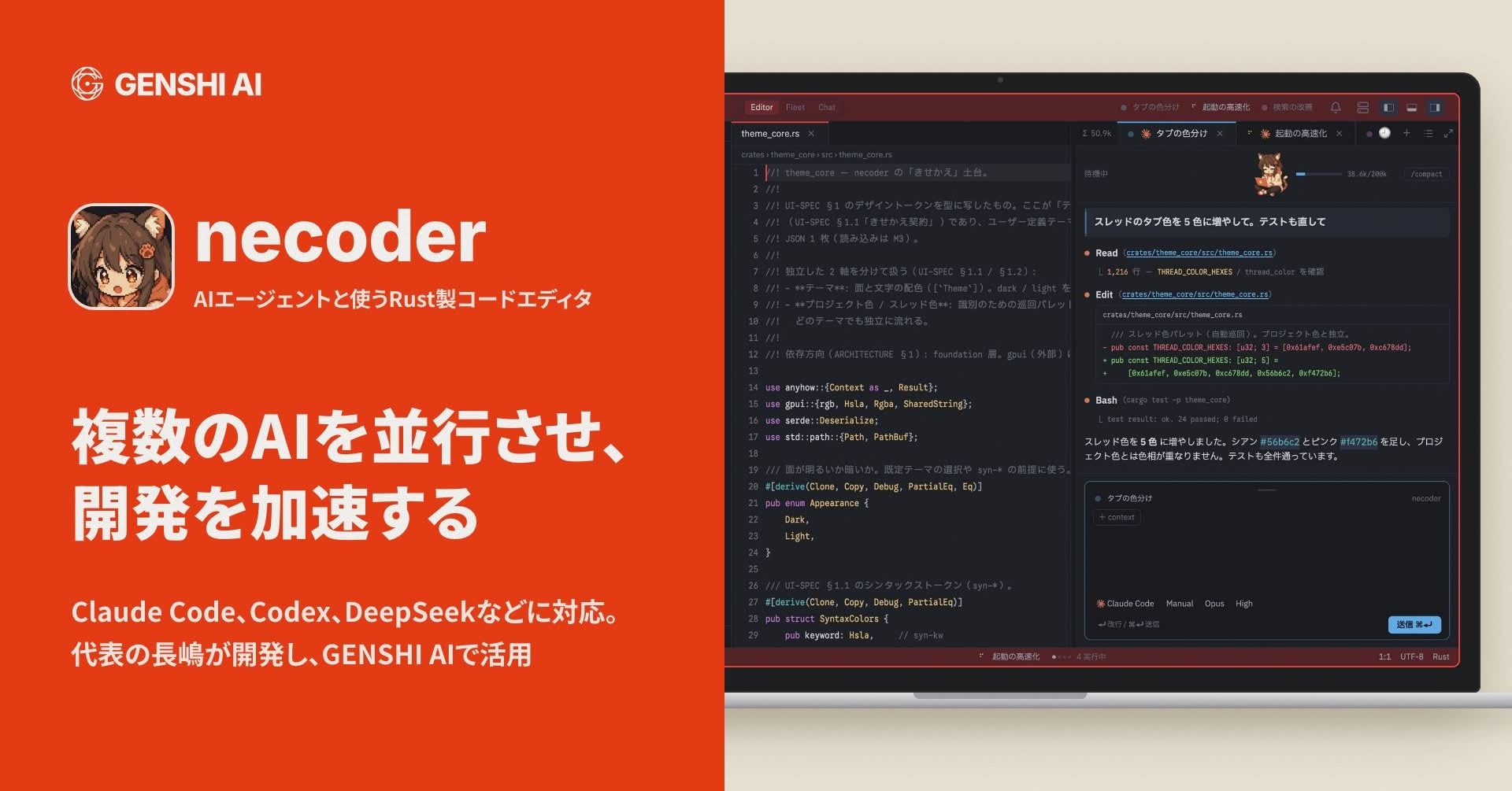
GENSHI AI said it adopted necoder in-house — a free, AGPL-3.0 Rust editor that Daichi Nagashima began building…
Darfon Electronics is consolidating its production capacity in China and Southeast Asia and shifting some reso…