What happened
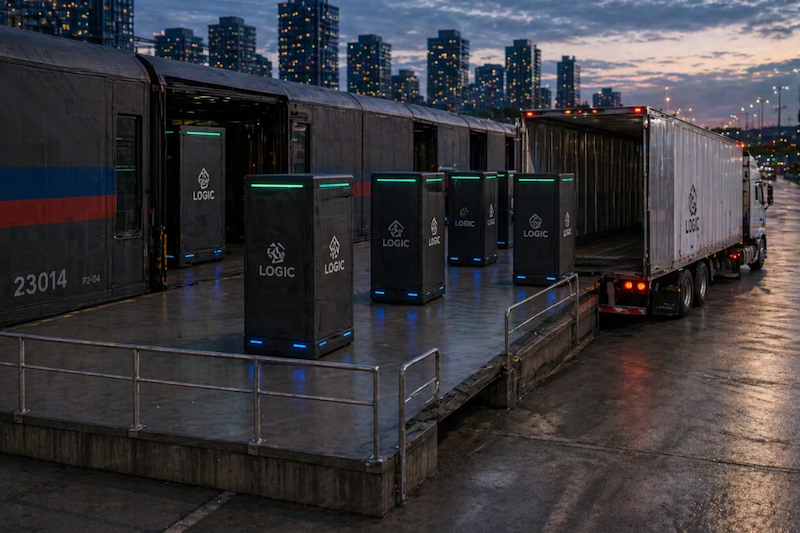
Logic Robotics unveiled an intelligent transloading solution featuring the Logic Pallet, an autonomous system that transfers goods between railcars and trucks using self-loading and self-unloading capabilities. The system is powered by Logic's Digital Twin Operating System, which provides real-time visibility into inventory position, weight distribution, and task progress across intermodal terminals.
Why it matters
The solution replaces manual handling and forklift-based processes with autonomous mobility, eliminating inefficiencies in rail-to-road operations. By automating the handoff between transport modes, the system delivers faster throughput, improved safety, and reduced operational downtime—while collecting weight and inventory data that enhances routing accuracy, shipment tracking, and demand forecasting.
What to watch
Logic's Digital Twin OS simulates traffic patterns and predicts bottlenecks to optimize fleet movements and assign workloads dynamically. The company positions this as a step toward a fully autonomous logistics network where goods move between transportation modes without delay, targeting rail operators, freight terminals, and third-party logistics providers (3PLs).
Summaries like this, in your inbox every morning.
Logic Robotics' transloading solution addresses a long-standing friction point in multimodal freight logistics: the handoff between rail and truck transport. Conventional intermodal terminals rely on human workers and mechanical equipment to move goods between railcars and trucks—a process that introduces delay, safety risk, and operational inconsistency. By automating this step with an autonomous pallet system, Logic removes a major bottleneck in the supply chain.
The innovation gains its full power through integration with digital twin technology. Rather than operating as a standalone robot, the Logic Pallet functions within a real-time simulation layer that monitors the entire transloading environment. This architecture enables dynamic optimization: the system can predict where congestion will occur, adjust fleet routing in advance, and balance workloads across multiple pallets and terminals. The continuous data collection—weight, inventory, transfer timing—also creates a feedback loop that improves forecasting and routing decisions over time, extending the system's value beyond the immediate automation of loading and unloading.
Pick your industry and the AI tools you use, and get news related to your work every day.
Free · 30 seconds with Google · unsubscribe anytimeWhat is AIToday? →
Ask AI anything about this article. The AI reads this article, earlier AIToday articles, and Wikipedia, and cites its sources. Q&As are published on this page for other readers too.
Skild AI used Nvidia Isaac Sim to give its S1 model one objective — score a goal — and let it compete against…
Yamazaki Mazak and ABEJA said on the 16th they will start joint development of physical AI, using ABEJA's ABEJ…
Toyota Motor's Japan Mobility Show Bizweek 2026 booth centers on its AI basketball robot CUE7, has no other ex…
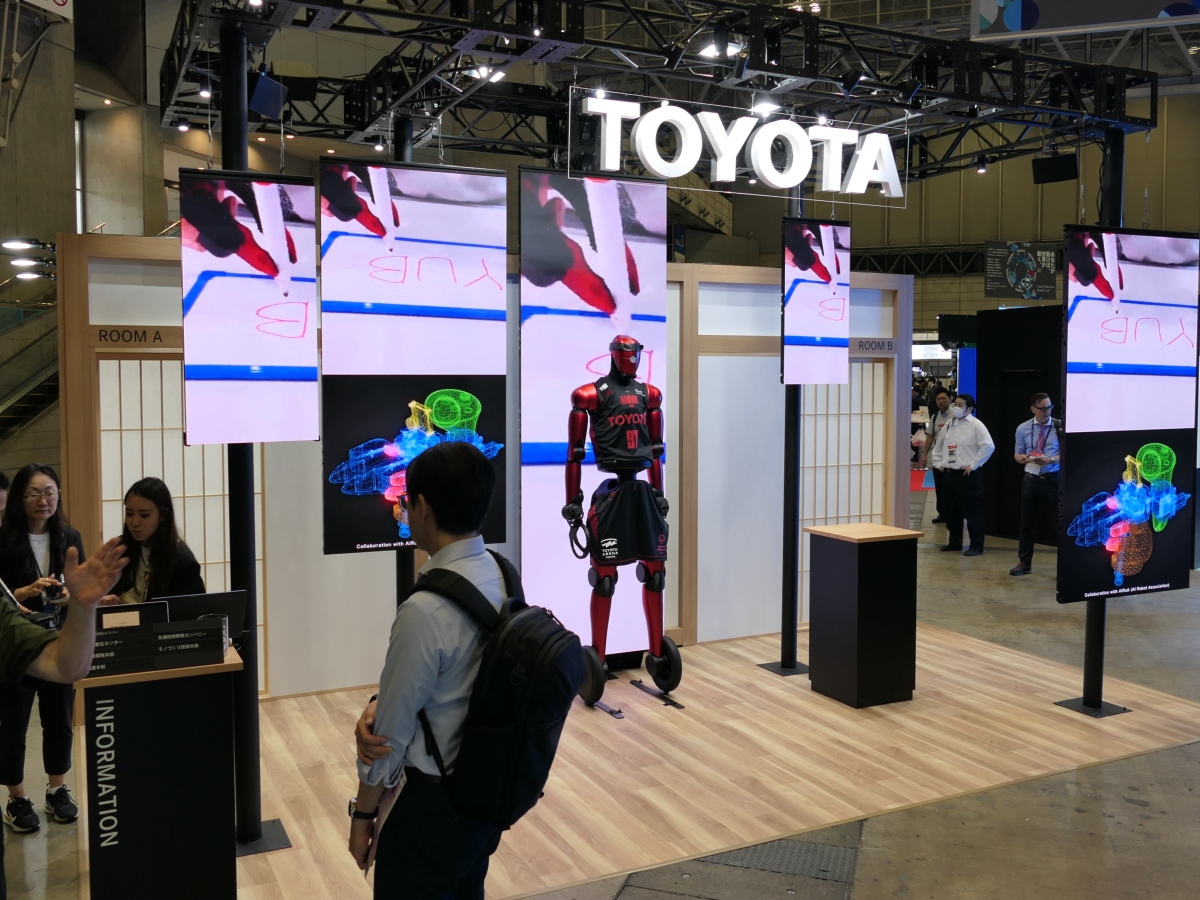
Japan Mobility Show Bizweek 2026 showcased Physical AI applications, including Toyota's basketball-playing rob…
Google pitched Gemini 4 Argon as one model for robot control, simulation and training-data review, saying it s…
Researcher Sammy Azdoufal discovered Energize Lab's Eiliko robot stores 13 million conversations from 68,000 t…