What happened
Yoshi Umeno, global director of business development for robotics at Kollmorgen (a brand of Regal Rexnord), will present "A Joint-by-Joint Guide to Humanoid Motion" at RoboBusiness on October 20–21 in Santa Clara, California. His session takes place at 11:30 a.m. PT on the first day.
Why it matters
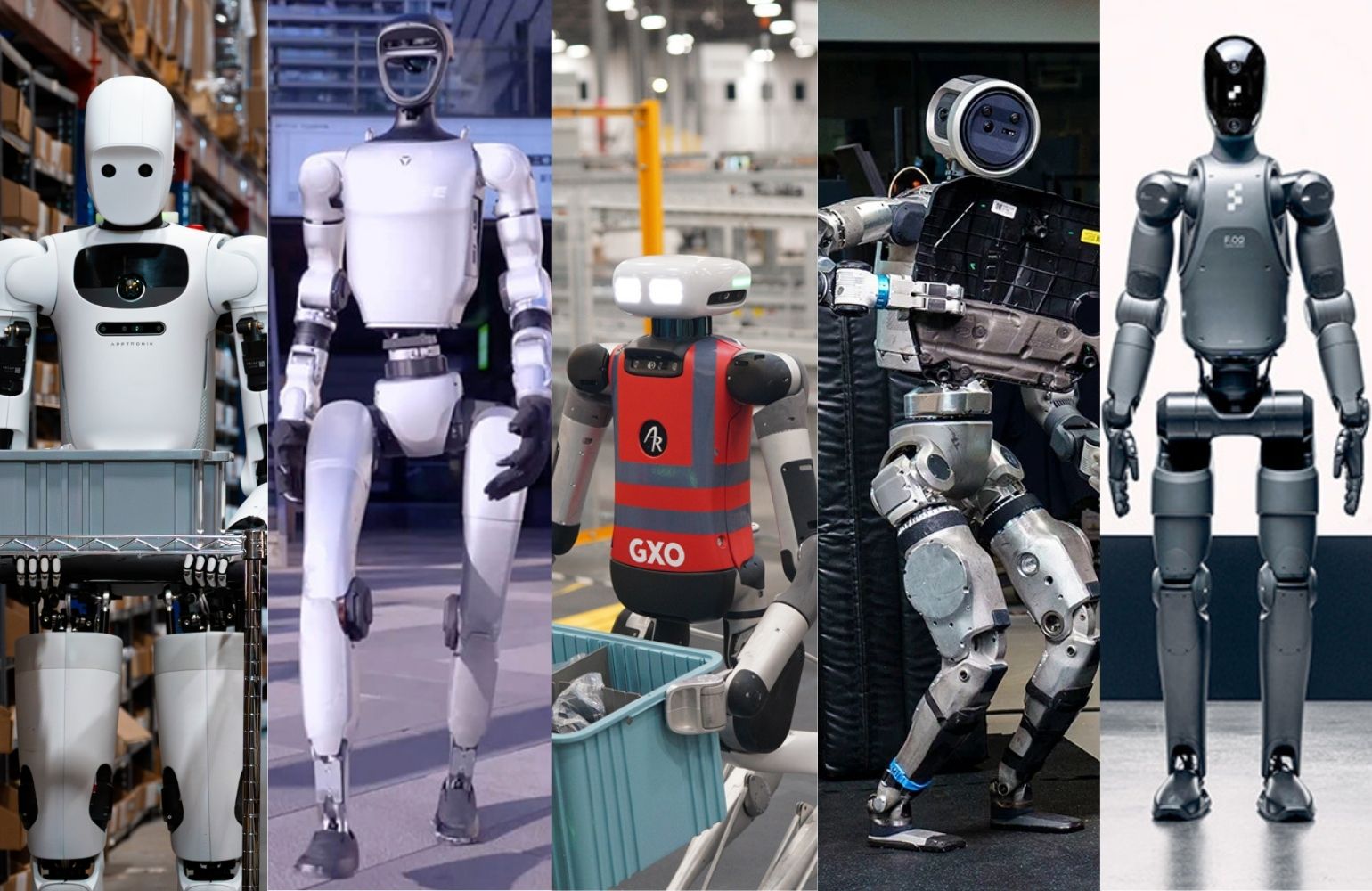
Humanoid robot makers face a critical bottleneck: while software iterates in weeks, motion hardware takes months to reach a functional sample and years to reach volume production. Umeno will reframe humanoid motion as a zone-by-zone architecture problem rather than one-size-fits-all, offering a practical framework for evaluating motion partners and scaling from prototype to production—a challenge that often blocks progress more than concept design itself.
What to watch
Attendees can register for RoboBusiness 2026 before August 31 to save $200 on a full conference pass, which includes keynotes, technical sessions, and networking events including a Mix and Mingle reception on day one and a Women in Robotics Luncheon on day two.
Summaries like this, in your inbox every morning.
Humanoid robot companies have reached a critical inflection point: working prototypes are becoming more common, but the path to scalable, manufacturable production remains unclear. Kollmorgen identifies the core issue as one of timeline misalignment—software teams can rapidly iterate, but the motion systems (actuators, motors, drives, precision components) that physically move a humanoid require substantially longer lead times. This is not a novel engineering problem in isolation; rather, it is a systems-integration challenge where each body zone (arm, leg, torso, hand) has distinct mechanical and control demands that cannot be solved with a single standardized approach.
By framing the problem as zone-by-zone rather than monolithic, Kollmorgen signals that humanoid OEMs need specialized motion partners who understand both the unique constraints of each subsystem and the path to volume manufacturing. Yoshi Umeno, who brings experience working with leading global humanoid makers, will present a practical framework for evaluating such partnerships—essentially, a decision tree for which motion solutions fit each zone and how co-engineering support can compress the prototype-to-production cycle. The presentation's timing at RoboBusiness, an event aimed at commercial robotics developers across manufacturing, healthcare, agriculture, and logistics, underscores that this bottleneck is becoming a widely recognized industry constraint as humanoid adoption moves beyond research labs.
Pick your industry and the AI tools you use, and get news related to your work every day.
Free · 30 seconds with Google · unsubscribe anytimeWhat is AIToday? →
Ask AI anything about this article. The AI reads this article, earlier AIToday articles, and Wikipedia, and cites its sources. Q&As are published on this page for other readers too.
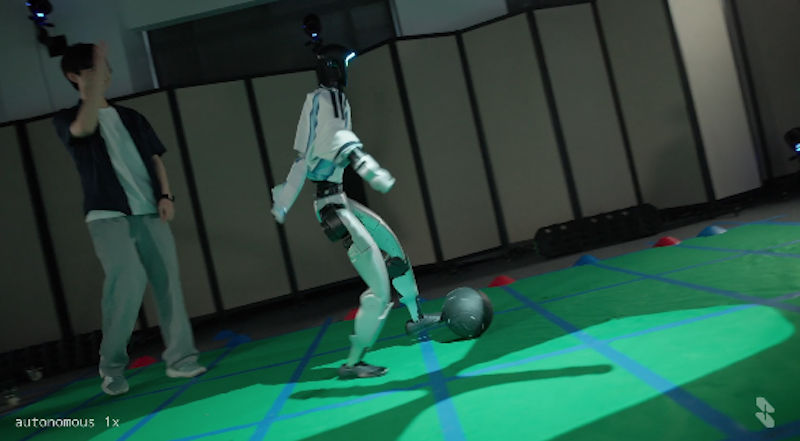
Skild AI used Nvidia Isaac Sim to give its S1 model one objective — score a goal — and let it compete against…
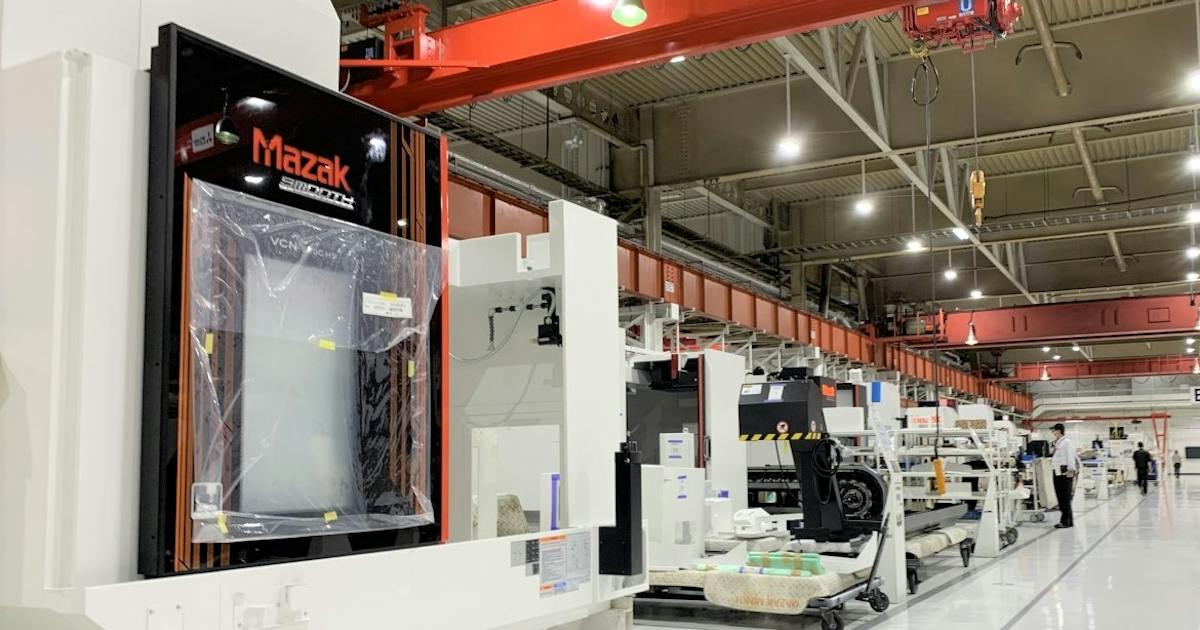
Yamazaki Mazak and ABEJA said on the 16th they will start joint development of physical AI, using ABEJA's ABEJ…
Toyota Motor's Japan Mobility Show Bizweek 2026 booth centers on its AI basketball robot CUE7, has no other ex…
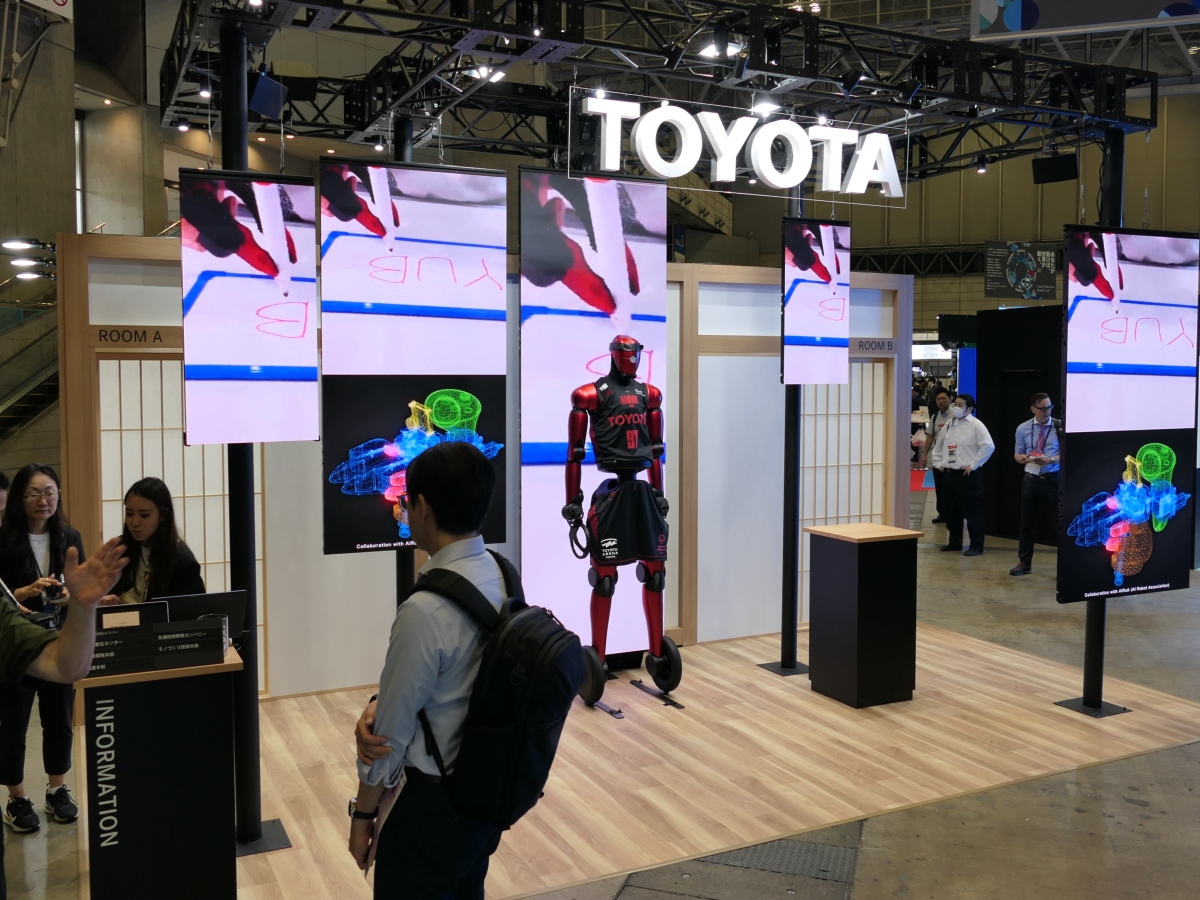
Japan Mobility Show Bizweek 2026 showcased Physical AI applications, including Toyota's basketball-playing rob…
Google pitched Gemini 4 Argon as one model for robot control, simulation and training-data review, saying it s…
Researcher Sammy Azdoufal discovered Energize Lab's Eiliko robot stores 13 million conversations from 68,000 t…